
Mini Split Installation in Lancaster, OH
Mini-Split installation in Lancaster, OH for zoned comfort and energy efficiency. Learn about the process and get started today.

Mini Split Installation in Lancaster, OH
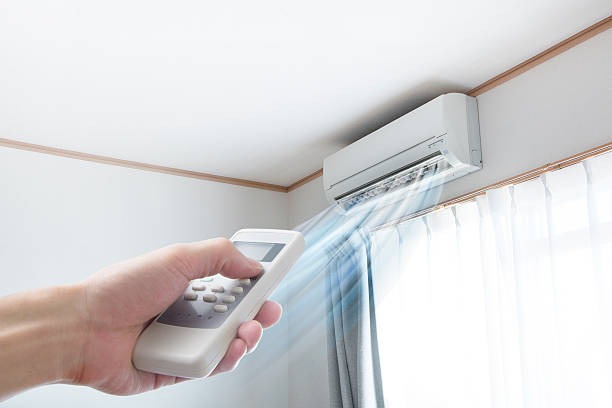
Mini-split installation in Lancaster, OH is an efficient, flexible solution for homes that need zoned cooling and heating without extending or modifying existing ductwork. With Lancaster’s humid summers and cold winters, ductless mini-splits provide targeted comfort where traditional systems struggle: additions, older brick homes, bedrooms, basements, and sunrooms.
Why choose a mini-split in Lancaster, OH
- Local climate: High summer humidity and variable winter temperatures make accurate sizing and low-temperature heating performance critical.
- Older homes and additions: Many Lancaster homes lack space for ducts or have historic layouts where invasive ductwork is undesirable.
- Zoned comfort and energy savings: Mini-splits let you condition only occupied rooms, reducing utility use compared with whole-house systems.
Common mini-split system types and typical uses
- Single-zone ductless mini-split: Ideal for one room, finished basement, garage conversion, or sunroom.
- Multi-zone systems: One outdoor unit serving 2 to 8 indoor units, good for open floor plans, second floors, or several bedrooms.
- Ductless heat pumps: Provide both cooling and heating, important for Lancaster winters if you want a single unit year-round.
Common mini-split issues Lancaster homeowners face
- Improper sizing leading to short cycling or poor humidity control during humid summers.
- Poor placement that causes uneven temperature or obstructed airflow in rooms with historic layouts.
- Inadequate condensate management causing water stains or mold in humid conditions.
- Insufficient low-ambient heating performance in colder months if the heat pump isn’t specified for local winter conditions.
Site evaluation, load calculations, and unit sizing
A proper installation starts with a professional site evaluation and Manual J style load calculation. Key factors considered:
- Square footage, ceiling height, and room-by-room use.
- Insulation levels, window types and orientation, and envelope leakage common to older Lancaster homes.
- Local climate data: cooling degree days and winter low temperatures affect capacity and heat pump selection.
- Desired indoor temperature and zoning preferences.
Sizing matters: oversized units cool too quickly without removing humidity; undersized units run constantly and wear out sooner. For Lancaster, choose equipment with proven low-temperature heating capacity if you plan to rely on the mini-split for winter heat.
Indoor and outdoor unit placement options
Indoor unit placement options:
- Wall-mounted: Most common, offers good airflow when placed high on an interior wall facing the room.
- Ceiling cassette: Best for central airflow in larger rooms or open plans.
- Floor-recessed: Used where wall space is limited or in historic rooms with low walls.
Outdoor unit placement considerations:
- Clear space for airflow and service access; typical clearances per manufacturer.
- Elevated on a pad or bracket to reduce snow and splashback in winter.
- Located away from bedrooms for noise control; use anti-vibration mounts when needed.
Line set routing:
- Short, direct runs through an exterior wall or small core-drilled hole keep refrigerant length minimal and maintain efficiency.
- Concealed raceways or decorative covers are common for curb appeal in Lancaster’s historic neighborhoods.
Installation steps (what technicians do)
- Final site check and verifying load calculation and equipment selection.
- Mount indoor unit: install wall bracket or cassette frame and check for proper tilt for drainage.
- Drill exterior penetration and install sleeve or line trough.
- Run refrigerant lines, condensate drain, and electrical wiring between indoor and outdoor units.
- Mount outdoor unit on pad or bracket; secure for seismic and wind code requirements.
- Evacuate the refrigerant lines to remove moisture and air, then charge to manufacturer specs.
- Connect electrical service: circuit breaker sizing, disconnect, and ground per NEC and local code.
- Configure system controls, test modes, and demonstrate operation.
- Clean up work area, secure covers, and provide commissioning report.
Condensate management and electrical considerations
- Condensate options: gravity drain through exterior wall, internal condensate pump for basements or sealed floors, and condensate safety switches to prevent overflow.
- Electrical: Dedicated circuit and proper breaker sizing, compliance with NEC (National Electrical Code) and local amendments, and labeling in the service panel.
Permits and code compliance in Lancaster
- Most installations require a building or mechanical permit from Fairfield County or the City of Lancaster, and an electrical permit for new circuits.
- Technicians must follow state and local codes for mounting, clearances, and outdoor unit anchoring.
- Refrigerant handling requires EPA 608 certification; installers must follow refrigerant recovery and charging rules.
- Inspections: installations are typically inspected by local building officials to verify code compliance before final approval.
Energy-saving model recommendations
- Look for inverter-driven compressors, which modulate capacity for better efficiency and humidity control.
- Higher SEER ratings for cooling and higher HSPF or SCOP for heating improve performance in Lancaster’s seasonal extremes.
- ENERGY STAR rated models and units with smart controls/zone scheduling reduce runtime and costs.
- Multi-zone systems allow per-room schedules to avoid conditioning unused spaces.
Typical timelines and what to expect on install day
- Single-zone replacement or new interior wall mount: often completed in 4 to 8 hours.
- Multi-zone or complex installs: 1 to 2 days depending on number of indoor units and routing complexity.
- On install day expect: arrival of a trained technician team, site protection for floors and furniture, brief walk-through to confirm locations, step-by-step work including drilling and mounting, system evacuation and charging, functional testing, and a short demonstration of controls.
Post-install checklist and maintenance advice
- Confirm system is registered with the manufacturer for warranty coverage.
- Schedule routine maintenance: annual or bi-annual cleanings of filters and coils, refrigerant leak checks, and condensate line inspection—particularly important during Lancaster’s humid months.
- Keep outdoor unit clear of leaves, snow, and debris and maintain airflow clearances.
Mini-split installation in Lancaster, OH gives homeowners flexible zoning, efficient year-round comfort, and the ability to retrofit historic or duct-free spaces without invasive construction. Accurate load calculation, proper placement, correct refrigerant handling, and code-compliant electrical work are the foundations of a trouble-free system that performs well through Lancaster’s humid summers and cold winters.
Hot Deals & Cool Savings

.webp)
New Service Agreement Membership
.webp)
Any New Client Service
Next Service for Referring a New Client
New Service Agreement Membership
Any New Client Service
Next Service for Referring a New Client
.webp)
.webp)

Service Areas
