
Mini Split Installation in Powell, OH
Mini Split Installation Powell OH delivers precise comfort and energy savings. Learn about assessment, sizing, installation steps, and financing options. Learn more.

Mini Split Installation in Powell, OH
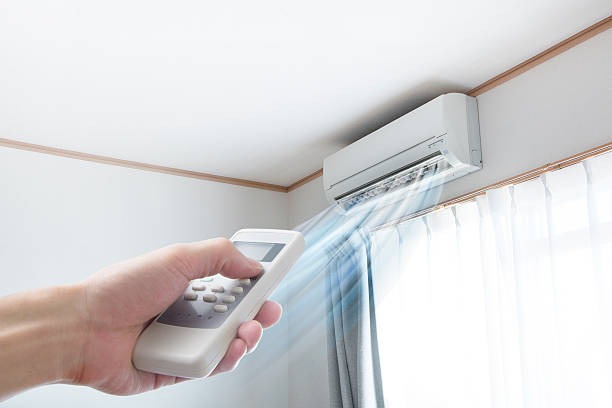
Mini-split installation in Powell, OH is an effective, flexible way to add targeted heating and cooling to rooms that are difficult or expensive to serve with existing ductwork. With hot, humid Ohio summers and cold winters, Powell homeowners benefit from the year-round comfort and energy savings that ductless mini-split heat pump systems deliver.
Why choose a mini-split in Powell, OH
- Zoned comfort: cool or heat only the rooms you use, ideal for sunrooms, additions, finished basements, or older Powell homes without central ducts.
- Energy efficiency: modern inverter-driven systems modulate output to match demand, cutting run time during mild Ohio shoulder seasons.
- Retrofit-friendly: small wall penetrations and flexible line sets reduce demolition in established neighborhoods.
- Year-round performance: many mini-split heat pumps provide efficient heating down to cold temperatures, supplementing or replacing older electric or baseboard heat.
Common mini-split issues in Powell homes
- Incorrect sizing leading to short-cycling or inability to maintain temperature in extreme heat or cold.
- Poor indoor unit placement causing hot/cold spots, drafts, or obstructed airflow.
- Long or poorly routed refrigerant lines increasing inefficiency and risk of leaks.
- Undersized electrical service or missing disconnects causing tripped breakers or code violations.
- Inadequate condensate handling in humid months leading to water damage or mold risk.
- Missing permits or noncompliant installation relative to local Powell and Delaware County building codes.
Full installation process — what to expect
A professional mini-split installation follows structured steps to ensure reliable performance and code compliance.
- Site assessment
- Walkthrough of the home to identify target rooms, mounting surfaces, and outdoor condenser locations.
- Evaluate sun exposure, insulation levels, window orientation, and typical room usage in Powell homes (for example, sunrooms facing west that overheat in summer).
- Check electrical panel capacity and potential routing paths for refrigerant lines and condensate.
2. Load calculations and unit sizing
- Perform Manual J style heat gain and heat loss calculations customized to each room to determine proper BTU capacity.
- Consider local climate patterns (hot, humid July; cold January lows) so sizing balances summer cooling and winter heating without oversizing.
- Select indoor unit types (wall-mounted, floor console, or low-profile cassette) based on room layout and aesthetic preferences.
3. Indoor and outdoor unit placement
- Place indoor units to allow unobstructed airflow, avoid direct drafts across seating/sleeping areas, and minimize sight lines.
- Position outdoor condenser on a level pad with sufficient clearance for airflow, snow, and maintenance; avoid close proximity to property lines or neighbor windows per local ordinances.
- Route line sets through short, direct runs when possible to reduce refrigerant charge and potential efficiency loss.
4. Refrigerant line and electrical work
- Install refrigerant lines, suction and liquid lines insulated and sloped properly to the outdoor unit.
- Braze and pressure-test lines, evacuate to a deep vacuum, then charge per manufacturer specifications using superheat/subcooling or factory charge adjustments.
- Run dedicated electrical circuit sized to manufacturer-required amperage, install disconnect and follow NEC requirements and local Powell electrical codes.
- Install condensate drain with proper pitch, trap or condensate pump where gravity drainage is not possible.
5. Testing, balancing, and commissioning
- Verify refrigerant charge by measuring temperatures and pressures using superheat and subcooling methods.
- Check airflow and ensure indoor outlet temperatures match expected performance across operating modes.
- Test defrost cycle, reversing valve operation, and low ambient controls if the unit provides winter heating.
- Confirm electrical operation and safety devices, and register the system if required by warranty.
6. Post-installation walkthrough
- Demonstrate controls, thermostats or wireless/wifi app operation, schedules and zone settings so homeowners can optimize efficiency.
- Review maintenance basics: filter cleaning, outdoor unit clearance, and how to recognize common warning indicators.
- Provide documentation of equipment model numbers, efficiency ratings, warranty information, and permit closure when applicable.
Available product lines and efficiency ratings
- Single-zone and multi-zone systems from industry-leading manufacturers offer a range of capacities and indoor styles to suit Powell homes.
- Look for inverter-driven compressors, variable-speed fans, and advanced controls that improve comfort while reducing energy consumption.
- Efficiency is commonly represented by SEER (cooling) and HSPF or HSPF2 (heating); high-efficiency models can reach SEER ratings in the mid to high 20s and elevated HSPF values, delivering measurable utility savings during Columbus-area summers and milder shoulder months.
Permit and code compliance
- Installations must comply with NEC electrical code and local building codes enforced by the City of Powell or Delaware County. This typically includes:
- Pulling permits for mechanical and electrical work.
- Using licensed electricians for permanent electrical connections and breakers.
- Meeting condenser setback and noise requirements.
- Final inspections to close permits and secure warranty validation.
- Proper permitting protects homeowners from potential fines and ensures installations meet safety and resale standards.
Common pitfalls and how they are prevented
- Oversizing: avoided with careful load calculations to prevent short-cycling and undue wear.
- Poor placement: corrected through thoughtful assessment of room layout and airflow needs to eliminate hot/cold spots.
- Improper refrigerant handling: prevented by certified technicians using proper evacuation, charging, and leak-testing procedures.
- Electrical neglect: addressed by verifying panel capacity and installing dedicated circuits and disconnects that meet code.
Maintenance plans and financing options
- Routine maintenance is essential in Powell’s climate: annual or biannual tune-ups typically include coil and filter cleaning, refrigerant check, condensate clearing, electrical inspection, and control calibration.
- Maintenance plan enrollment often extends equipment life, maintains efficiency, and may include priority service benefits and discounts on repairs.
- Financing options are commonly available for installations and can make higher-efficiency models more accessible for homeowners balancing upfront cost with long-term utility savings.
Final considerations
A correctly designed and installed mini-split system provides precise temperature control, improved comfort in hard-to-heat or cool spaces, and strong energy performance for Powell, OH homes. Prioritizing detailed site assessment, accurate sizing, professional refrigerant and electrical work, and adherence to local permitting requirements ensures long-term reliability and maximized efficiency. Regular maintenance and understanding product efficiency ratings help protect your investment and keep the system performing through both humid summers and cold Ohio winters.
Hot Deals & Cool Savings

.webp)
New Service Agreement Membership
.webp)
Any New Client Service
Next Service for Referring a New Client
New Service Agreement Membership
Any New Client Service
Next Service for Referring a New Client
.webp)
.webp)

Service Areas
