
Mini Split Repair in Brice, OH
Mini Split repair in Brice, OH - fast diagnostics, transparent repairs, and trusted service to restore comfort. Schedule your service today.

Mini Split Repair in Brice, OH
Ductless mini-split systems are a common solution for Brice, OH homes that need zoned cooling and heating without major ductwork. When a mini-split underperforms or stops working, it affects comfort quickly—especially here, where humid Central Ohio summers create heavy cooling demand and cold winters rely on heat pump performance.
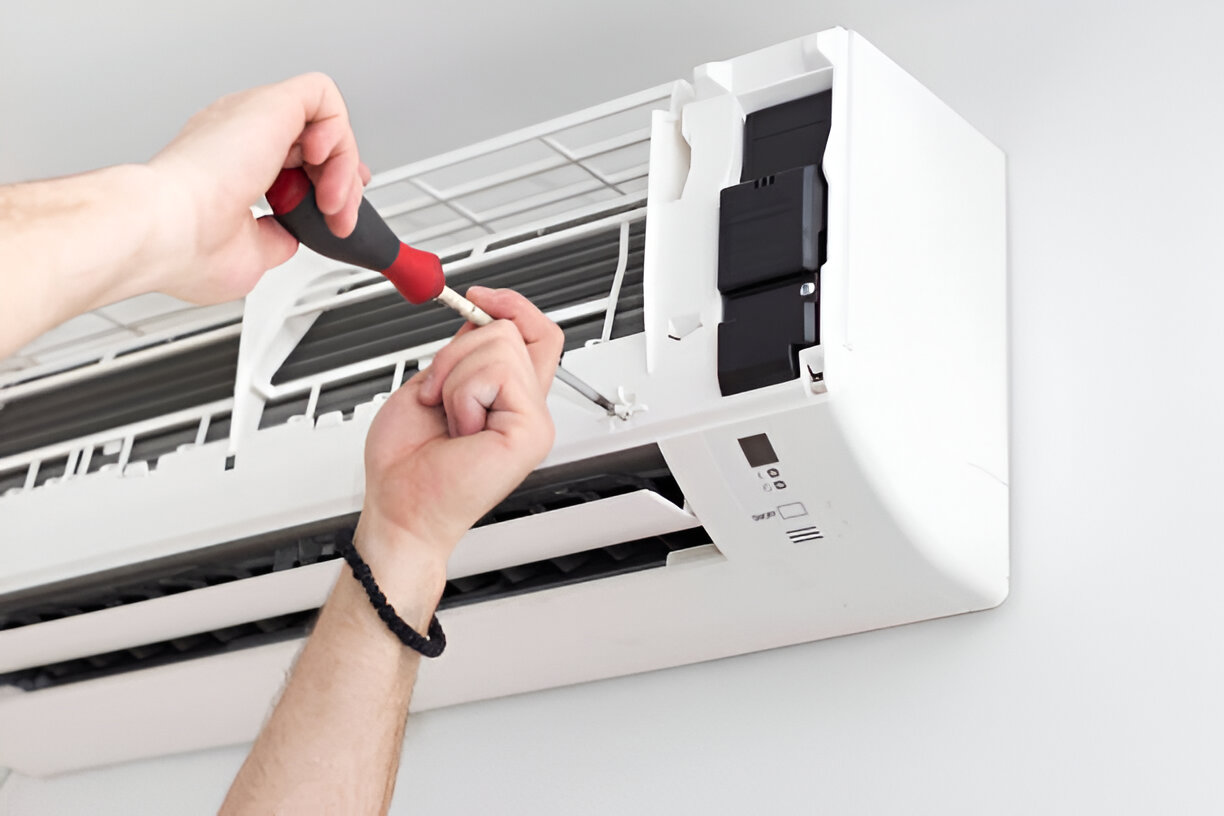
Common mini-split symptoms in Brice, OH
Homeowners in Brice most commonly call about these issues:
- No cooling or heating: Indoor units run but fail to change room temperature.
- Reduced airflow: Weak airflow from the indoor head, often caused by a dirty filter, blower motor issues, or ductless head obstruction.
- Refrigerant leaks: Frost on the line set, oily residue near connections, or pressure imbalances on service gauges.
- Unusual noises: Rattling, grinding, or loud clunks from indoor or outdoor units indicating failing fans, compressors, or mounting hardware.
- Frequent short-cycling: System cycles on and off rapidly, increasing wear and energy use.
- Electrical failures or tripped breakers: Faulty capacitors, contactors, or control boards.
- Drainage problems: Overflow or smell from clogged condensate drains or failed condensate pumps.
- Defrost or heating issues (heat pumps): Poor heating in cold snaps, long defrost cycles, or constant defrost mode.
Technician troubleshooting and diagnostic process
A systematic diagnostic prevents unnecessary parts replacement and identifies root causes quickly:
- Initial visual and safety check: Confirm power, inspect for obvious damage, and check filter and indoor head condition.
- Control and communication verification: Test the remote/thermostat, control board signals, and communication wiring between indoor and outdoor units.
- Airflow and mechanical inspection: Measure airflow, inspect indoor blower, fan blades, and motor operation for wear or obstruction.
- Electrical testing: Use multimeters to check capacitors, contactors, fuses, and voltage to the compressor and fan motors.
- Refrigerant system evaluation: Attach gauges to measure pressures, inspect for frost patterns, and perform leak detection using electronic detectors or UV dye if needed.
- Operational run test: Observe the system through a full cooling or heating cycle to uncover intermittent faults, compressor loading, or abnormal noise sources.
- Diagnostic reporting: Technician explains findings in plain language, outlines options, and lists parts and labor involved for repair.
Typical repairs and parts replaced
Common repairs for Brice mini-splits include:
- Filter and coil cleaning: Restores airflow and heat transfer efficiency.
- Fan motors and blades: Indoor blower or outdoor condenser fan replacements.
- Capacitors and contactors: Frequent causes of start failures and noisy operation.
- Refrigerant line repairs and leak sealing: Soldering or replacing sections of line set; pressure testing after repair.
- Compressor replacement: Major repair when compressors fail; sometimes requires matched refrigerant and electrical components.
- Control boards and sensors: Replacing faulty PCBs, temperature sensors, or communication modules.
- Reversing valve and metering device replacement: Repairs for heat pump models with heating issues.
- Condensate pump or drain repairs: Correcting drainage to prevent indoor water damage.
- Remote or thermostat replacement: When control units are unresponsive or failing.
Repair timelines and cost factors
Estimated timelines depend on the issue:
- Same-day repairs: Filter changes, fan motor swaps, electrical component replacements, and drainage fixes are often completed the same day.
- 1–3 days: Refrigerant leaks that require parts or ordered fittings, control board replacements that need specific model parts.
- Multiple days: Compressor replacements, matched refrigerant charge adjustments, or jobs requiring municipal permits or hard-to-source parts.
Key cost factors that influence repair decisions:
- System age: Older units are more likely to have multiple failing components.
- Refrigerant type: Units using phased-out refrigerants (R-22) can be more expensive to service because replacements are limited.
- Accessibility: Tight attic or exterior placement can increase labor time.
- Parts availability: Specialty or discontinued parts require lead time.
- Extent of leak or compressor damage: Major refrigerant leaks or total compressor failures are higher-cost repairs.
- Warranty coverage: Remaining manufacturer warranties on compressors or parts reduce out-of-pocket costs.
Workmanship warranties and emergency service
Workmanship warranties provide peace of mind and vary by provider and repair type. Common practices include:
- Labor warranties: Often range from a short-term 30 days up to 1 year depending on the service contract.
- Parts warranties: Manufacturer parts typically carry their own warranties; technicians usually advise on duration and coverage.
- Maintenance agreements: Regular tune-ups can extend system life and may include discounted service calls or priority scheduling.
- Emergency repairs: Emergency or after-hours service availability is essential in heat waves or cold snaps. Emergency response can reduce risk of further damage from defrost failures or flooding caused by condensate backups.
When to repair vs replace
Deciding to repair or replace depends on several practical factors:
- Age of the unit: If the mini-split is nearing the end of its expected life (often 10–15 years), replacement may be more cost-effective.
- Frequency of failures: Repeated repairs in a short period indicate systemic wear and favor replacement.
- Energy efficiency needs: Newer models offer improved SEER/HSPF ratings; replacement can lower monthly energy costs in long run.
- Cost of repair vs replacement: When repair costs approach the cost of a reliable new unit, replacement is typically recommended.
- Refrigerant considerations: If the system uses an obsolete refrigerant and requires a large refrigerant charge, replacement may be the better option.
- Home comfort goals: Upgrading to a multi-zone or higher-capacity system may solve recurring comfort issues better than repeated repairs.
Maintenance tips and final considerations
Regular maintenance extends mini-split life and reduces emergency repairs:
- Clean or replace filters every 1–3 months during heavy use seasons.
- Keep outdoor units clear of debris and maintain a 2–3 foot clearance for airflow.
- Schedule annual professional tune-ups in spring (before cooling season) and fall (before heating season).
- Watch for gradual changes: small airflow loss, louder operation, or longer run times can be early warning signs.
For Brice, OH households, timely mini-split repair keeps your home comfortable through humid summers and cold winters, prevents costly secondary damage, and preserves system efficiency. Professional diagnostics paired with transparent repair options help you choose the most practical path—whether targeted repair, planned replacement, or an upgraded multi-zone solution tailored to your home.
Hot Deals & Cool Savings

.webp)
New Service Agreement Membership
.webp)
Any New Client Service
Next Service for Referring a New Client
New Service Agreement Membership
Any New Client Service
Next Service for Referring a New Client
.webp)
.webp)

Service Areas
