
Mini Split Repair in Canal Winchester, OH
Mini Split repair in Canal Winchester, OH — schedule service for accurate diagnostics, clear repairs, and dependable warranty details.

Mini Split Repair in Canal Winchester, OH
Ductless mini-split systems are a popular, efficient option for heating and cooling homes in Canal Winchester, OH. When a mini-split stops cooling or heating properly, makes unusual noises, or shows signs of a refrigerant leak or electrical fault, the problem can quickly disrupt comfort and increase energy use.
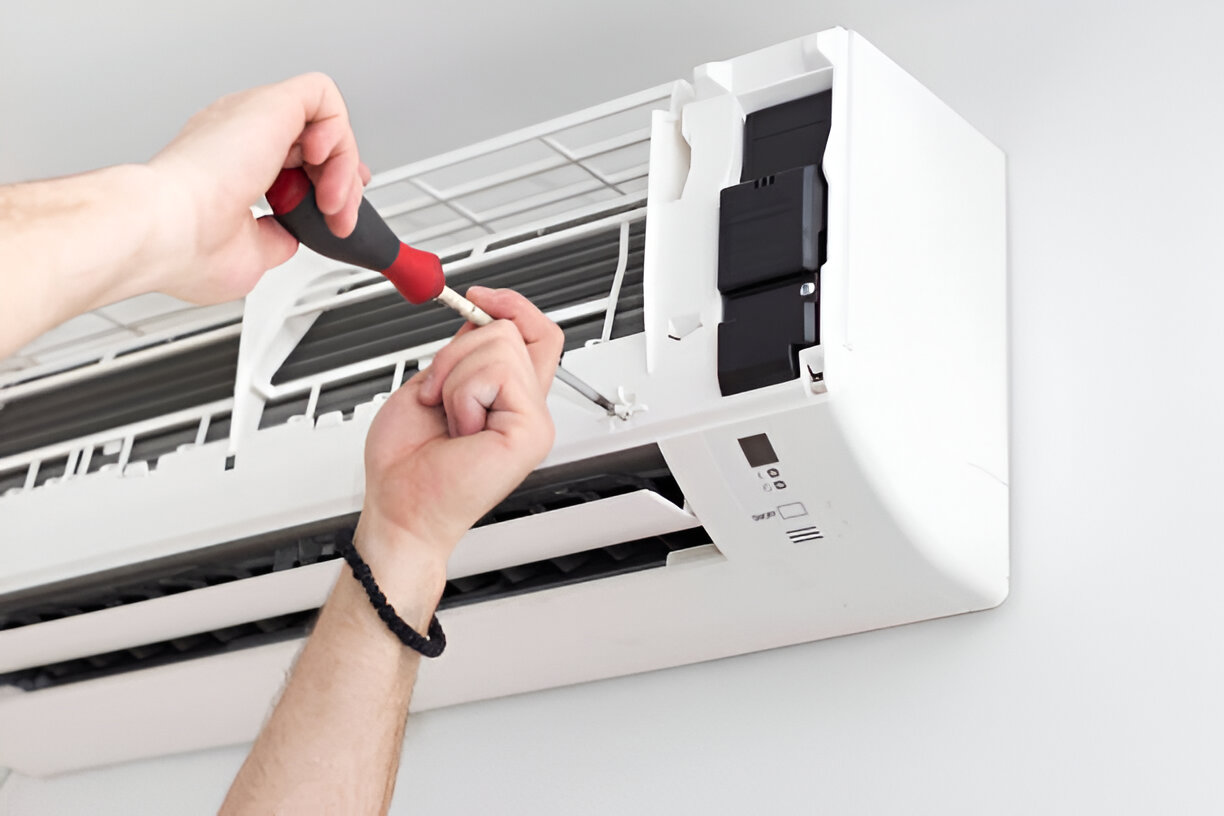
Common Mini-Split Issues in Canal Winchester
- Loss of Cooling or Heating
Symptoms: weak airflow, warm air on cooling, reduced heat in winter. Common causes: low refrigerant, compressor or inverter faults, clogged filters or coils, or failing indoor blower motors. Ohio summers and humid conditions increase runtime and reveal underlying refrigerant or airflow problems. - Noisy Operation
Symptoms: rattling, grinding, high-pitched squeals, or loud outdoor compressor noise. Causes include failing fan motors, loose mounting hardware, worn bearings, or electrical issues in the inverter. - Refrigerant Leaks
Symptoms: frosting on the indoor coil, hissing sounds, or a sudden drop in cooling capacity. Line-set corrosion, damaged fittings, or accidental punctures are typical causes. Cold winters and freeze-thaw cycles can stress exterior lines. - Electrical Faults and Control Failures
Symptoms: unit will not turn on, random shutdowns, error codes on the indoor display. Causes: failed inverter boards, power surges, loose wiring, or faulty remotes and sensors. - Drainage and Condensate Problems
Symptoms: water dripping indoors, overflowing condensate pans, or moldy odors. Canal Winchester humidity can exacerbate drain blockages and condensate pump failures. - Intermittent Cycling or Error Codes
Symptoms: frequent short cycles, flashing codes. Often caused by sensor faults, refrigerant imbalance, or communication errors between indoor and outdoor units.
Step-by-Step Diagnostic Process
- Initial interview and symptom verification
Our technicians confirm operating conditions, error codes, and recent changes that may have triggered the issue. - Visual and safety inspection
Check power supply, breakers, disconnects, wiring continuity, and look for obvious signs of damage, oil stains (refrigerant leaks), or loose components. - Airflow and indoor inspection
Inspect filters, indoor blower motor, evaporator coil condition, and airflow path. Measure discharge air temperature and static pressure when needed. - Outdoor unit inspection
Evaluate the compressor, fan motor, condenser coil, and mounting. Look for debris, bent fins, or signs of oil at connections. - Electrical and control diagnosis
Use a multimeter to verify voltage, current draw, and control signals. Read and interpret error codes and communication logs on the indoor controller. - Refrigerant system analysis
Attach manifold gauges and use leak detection tools to check system pressures and locate leaks. If a leak is present, determine repair options and containment. - Inverter and compressor testing
Confirm inverter output, measure compressor amp draw, and evaluate starting behavior. Inverter faults often produce specific diagnostic codes. - Functional run test
After repairs or adjustments, run the system through a full operating cycle to confirm stable temperatures, normal noise levels, proper defrost function, and no active fault codes.
Typical Repairs and Component Replacements
- Refrigerant leak repair and recharge
Locate and repair the leak (line set, fittings, or coil), evacuate and vacuum the system, then recharge to manufacturer-specified levels. Leak repair is critical before adding refrigerant. - Compressor replacement
Required when internal mechanical failure prevents normal operation. Replacement may include swapping the compressor and recovering/recharging refrigerant, plus evacuation and oil matching. - Inverter board or PCB repair/replacement
Inverter failures cause erratic behavior or no operation. Replacing the inverter board restores variable-speed control and efficiency. - Fan motors and blower repairs
Indoor blower motors and outdoor fan motors wear out over time. Replacements restore proper airflow and reduce noise. - Expansion device and reversing valve repairs
Malfunctions in the metering device or reversing valve cause heating/cooling imbalance. Repairs or replacements correct capacity and reverse cycle issues. - Line set and connection repairs
Corroded or damaged line sets need repair or replacement and proper recharging procedures. - Drain line and condensate pump service
Clearing clogs, replacing pumps, and ensuring proper slope and insulation prevents indoor water damage. - Control and sensor replacement
Thermostats, remote sensors, and communication modules are replaced when they provide false readings or fail to communicate.
Parts and Labor Warranty Expectations
- Manufacturer part warranties typically vary by component: compressors often carry longer warranties (several years) while electronic components and fan motors may have shorter coverage. Always verify the original equipment manufacturer (OEM) warranty for your specific mini-split model.
- Labor warranties from service providers commonly range from 30 days to 1 year depending on the repair and the provider. Labor warranty covers workmanship on the repair performed and may be separate from part warranties.
- What to keep: save invoices, warranty cards, and service records. Many manufacturer warranties require system registration and proof of regular maintenance to remain valid.
Emergency Response and Scheduling in Canal Winchester
- During peak summer and winter periods, Canal Winchester sees higher demand for HVAC service. Local providers typically prioritize unsafe or total-loss situations for immediate dispatch and aim for same-day or next-day visits during business hours. After-hours emergency options are often available for critical failures affecting safety or major system shutdowns.
- Response times depend on technician availability, parts inventory, and severity of the fault. For planned repairs that require special parts, expect a diagnostic visit followed by scheduled repair once parts arrive.
What to Expect During a Repair Visit
- Technician arrival with diagnostic tools and safety gear. They will assess and document the problem, explain the findings in plain terms, and outline repair options.
- If immediate repairs are possible, the technician will proceed with agreed-upon work, then test the system through a full operating cycle.
- For repairs requiring parts, the technician will secure parts, return for completion, and provide written documentation of services and warranty details upon job completion.
Preventive Maintenance to Avoid Repairs
- Regular annual inspections and tune-ups keep refrigerant charge, electrical connections, and coils in good condition and help preserve warranties.
- Change filters as recommended and keep indoor and outdoor units free of obstruction and debris.
- Ensure outdoor units have 2 to 3 feet of clearance and that line sets are insulated and secured to prevent damage during freeze-thaw cycles in Ohio.
- Schedule professional cleaning of coils and a refrigerant/pressure check before heavy-use seasons.
Timely diagnosis and repair of mini-split problems restore comfort, reduce energy waste, and extend system life in Canal Winchester homes. When symptoms appear, a methodical diagnostic approach, followed by quality component repairs and clear warranty documentation, prevents repeat failures and protects your investment.
Hot Deals & Cool Savings

.webp)
New Service Agreement Membership
.webp)
Any New Client Service
Next Service for Referring a New Client
New Service Agreement Membership
Any New Client Service
Next Service for Referring a New Client
.webp)
.webp)

Service Areas
