
Mini Split Replacement in Harrisburg, OH
Mini-split replacement in Harrisburg, OH with a high-efficiency model, sizing, installation, and warranty options. Learn more.

Mini Split Replacement in Harrisburg, OH
Upgrading to a new mini-split system can restore reliable comfort, lower energy bills, and add precise zone control to your Harrisburg, OH home.
When to replace a mini-split versus repair
Knowing when to repair and when to replace is the first decision homeowners face.
Signs replacement is recommended
- System age of 10 to 15 years or more. Older systems use less efficient components and may contain phased-out refrigerants.
- Frequent breakdowns or escalating repair costs over a short period. If you are repairing the same major component multiple times, replacement usually saves money long term.
- Compressor failure or irreparable refrigerant leaks. Compressor replacement often approaches the cost of a new unit.
- High and rising energy bills despite normal usage. A modern high-efficiency unit delivers substantially lower operating costs.
- Uneven comfort, inability to maintain set temperatures, or lack of adequate heating in winter. Ohio winters demand good low-ambient heating performance.
- Need for new zoning or remodeling. Replacing a failing central system with multi-zone mini-splits can be an efficient alternative.
When repair may be appropriate
- Recent system with only minor issues (fan motor, sensor, simple refrigerant top-off under a valid warranty).
- Single, inexpensive failure on a relatively new system where remaining expected life justifies the repair.
- Seasonal or one-off problems diagnosed as non-structural or easily corrected.
Selecting the right mini-split for Harrisburg homes
Proper selection focuses on sizing, efficiency, and components that handle both hot, humid summers and cold winters.
Sizing and load calculation
- A professional Manual J or equivalent load calculation is essential. Oversized units short-cycle and underperform; undersized units struggle in heat waves or cold snaps.
- Consider building envelope, insulation levels, window orientation, and typical room usage when sizing.
Key performance specs to prioritize
- High SEER rating for cooling efficiency (look for 18 SEER or higher for long-term savings).
- High HSPF or cold-climate performance ratings for reliable winter heating. Ohio winters require models that maintain output at low ambient temperatures.
- Inverter-driven, variable-speed compressors for precise temperature control, quieter operation, and improved dehumidification.
- Multi-zone capability for whole-house comfort without ducts, or single-zone units for targeted spaces like additions, finished basements, or sunrooms.
Indoor unit styles and placement
- Wall-mounted units are common and economical.
- Ceiling cassette or floor-mounted units may be better for layout or aesthetics.
- Placement affects comfort and airflow; a technician will recommend the best configuration.
Removal and disposal of old equipment
Safe, code-compliant removal protects your home and the environment.
- Refrigerant recovery: Technicians must recover any charged refrigerant to comply with EPA rules before disposal.
- Recycling and disposal: Metals and components are separated and recycled where possible. Old refrigerants and oils are handled per Ohio and federal requirements.
- Minor demolition and patching: Removing a wall-mounted indoor unit and outdoor condenser typically requires small patches to paint or drywall; discuss concealment options beforehand.
Typical installation timeline and process
- Site visit and load calculation (Day 1): Assessment, recommended system options, and written estimate.
- Permit and ordering (1 to 10 business days): Permits and equipment lead times vary by brand and season.
- Installation (1 to 5 days): Single-zone installs often complete in one day; multi-zone systems or complex installs take 2 to 5 days. This includes mounting indoor units, installing line sets and condensate drains, outdoor unit placement, electrical connections, and testing.
- Commissioning and walkthrough (final day): System is tuned, refrigerant levels checked, controls set, and homeowner instruction provided.
Costs and financing options
Typical cost ranges vary with system size, brand, and installation complexity.
Estimated costs (Harrisburg, OH area averages)
- Single-zone mini-split replacement: approximately $3,000 to $6,000 installed.
- Multi-zone systems (2–4 heads): approximately $6,000 to $15,000 installed.
- Larger whole-house multi-zone systems: $15,000 and up depending on zones and complexity.
Factors that affect price
- Brand and efficiency level, number of indoor units, line-set lengths and routing, required electrical upgrades or dedicated circuits, permits, and any structural work.
Financing and incentives
- Many homeowners use low-interest financing, flexible payment plans through installers, or manufacturer financing.
- Check current utility rebates and federal incentives for energy-efficient heat pumps and electrification upgrades; availability changes over time and may reduce net costs.
- Consider lifecycle cost, not just upfront price—higher-efficiency systems often pay back through lower energy bills.
Brands and warranties
Reputable brands commonly used for mini-splits include Mitsubishi, Daikin, Fujitsu, LG, Panasonic, and others. Brand choice affects performance in low temperatures, noise levels, warranty structure, and available indoor unit styles.
Typical warranty structure
- Parts warranty: often 5 to 10 years.
- Compressor warranty: can range from 5 to 12 years, sometimes longer with registration.
- Labor warranty: varies by installer and may be offered separately. Always review warranty terms and registration requirements before purchase.
Expected efficiency and comfort improvements
Replacing an old mini-split or inefficient central system delivers measurable benefits in Harrisburg homes.
- Energy savings: Replacing an aging unit with a high-efficiency inverter system can reduce heating and cooling costs by 20 to 40 percent, depending on prior equipment and usage patterns.
- Improved humidity control: Modern mini-splits dehumidify more effectively during hot, humid Ohio summers, increasing comfort without overcooling.
- Zone control: Heat or cool only occupied rooms, improving comfort and cutting wasted energy.
- Quieter operation and better indoor air quality: Modern indoor units run quietly and include improved filtration to reduce dust and allergens.
- Faster response and precise temperature maintenance: Variable-speed compressors hold setpoints more closely than old single-speed units.
Maintenance to protect your investment
- Annual professional tune-up: checks refrigerant, electrical connections, and system performance.
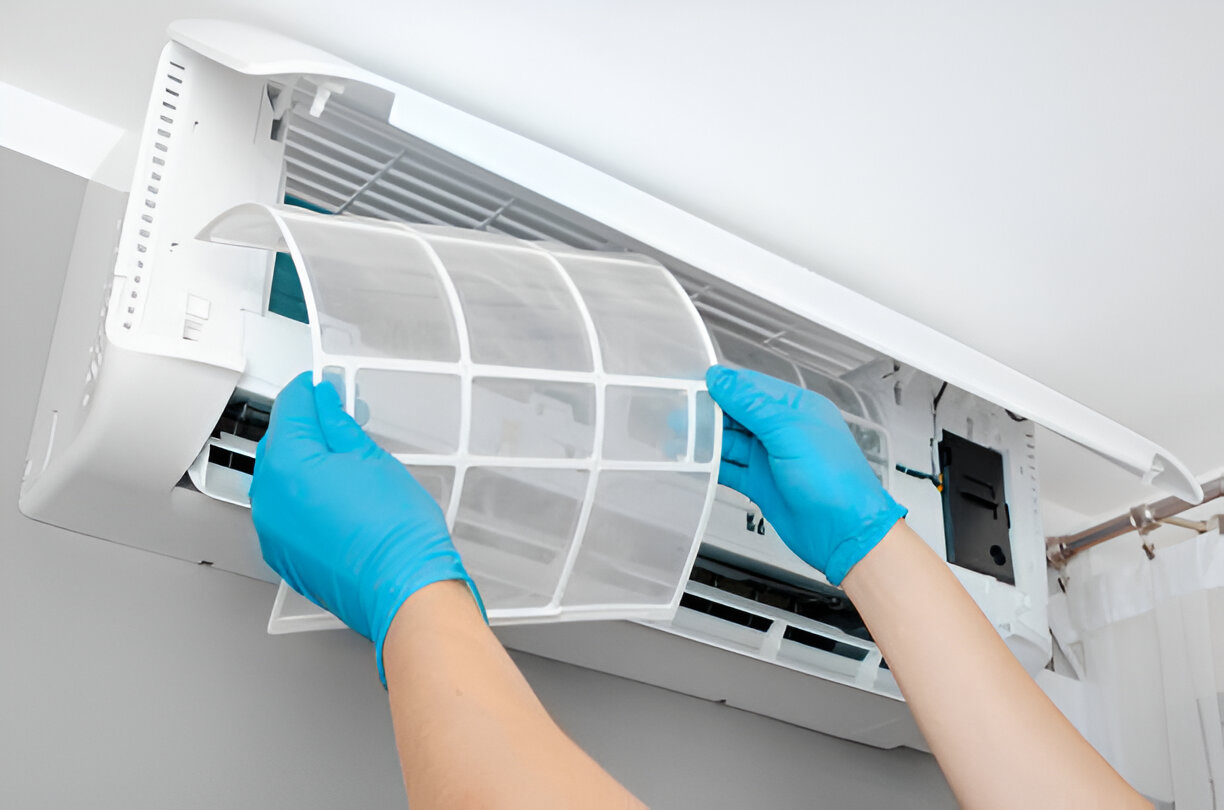
- Regular filter cleaning every 1 to 3 months depending on use.
- Keep outdoor units clear of leaves, snow, and debris to maintain efficiency during Ohio seasons.
- Register warranties promptly and retain service records to preserve coverage.
Replacing a mini-split is an investment that delivers predictable comfort, better humidity control in Harrisburg summers, and reliable heating performance in cold months. With the right sizing, a cold-climate capable unit, proper installation, and routine maintenance, a new mini-split will boost efficiency and comfort for years to come.
Hot Deals & Cool Savings

.webp)
New Service Agreement Membership
.webp)
Any New Client Service
Next Service for Referring a New Client
New Service Agreement Membership
Any New Client Service
Next Service for Referring a New Client
.webp)
.webp)

Service Areas
