
Tankless Water Heater in Canal Winchester, OH
Learn how tankless water heaters work in Canal Winchester, OH. Explore sizing, installation needs, and local rebates to save energy.

Tankless Water Heater in Canal Winchester, OH
Choosing a tankless water heater for your Canal Winchester home means switching to on-demand hot water that can cut energy use, free up space, and deliver continuous hot water for busy households.
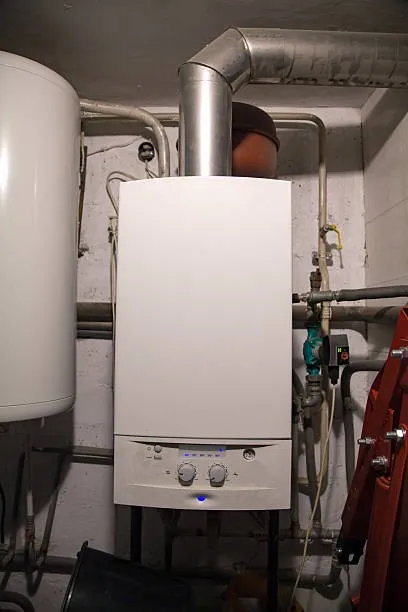
How on-demand tankless water heaters work
Tankless water heaters heat water only when a faucet or appliance calls for it. A flow sensor activates a gas burner or electric heating elements, raising water temperature as it passes through a heat exchanger. This eliminates standby heat loss from a storage tank and provides continuous hot water as long as the unit’s flow capacity is not exceeded.
Why Tankless Makes Sense in Canal Winchester
- Colder incoming water in central Ohio increases the temperature rise required in winter. Tankless units sized for local delta T deliver reliable hot water even on freezing days.
- Many Canal Winchester homes face limited mechanical space; wall-mounted tankless systems free up basement or utility closet room.
- Area water hardness can accelerate scale buildup. Proper installation with a softener or scale mitigation protects the heat exchanger and prolongs system life.
- For households with fluctuating hot water demand (multiple showers, loads of laundry), tankless systems offer consistent delivery when sized correctly.
Common tankless water heater types and which fits your home
- Condensing gas units: Highest efficiency, capture additional heat from exhaust gases. Best for natural gas applications where maximum efficiency is a priority.
- Non-condensing gas units: Slightly lower efficiency but simpler venting options; still a strong performer for cold climates.
- Electric tankless: Compact and easier to install where gas is not available, but limited in high delta T scenarios and may require heavy electrical upgrades (240V multiple-element setups).
Sizing by flow rate and temperature rise
Correct sizing is critical. Two factors matter: peak flow rate (gallons per minute, GPM) and required temperature rise (incoming water to desired setpoint).
Typical flow rates:
- Shower: 1.5 to 2.5 GPM
- Bathroom sink: 0.5 to 1.5 GPM
- Kitchen faucet: 1.5 to 2.2 GPM
- Dishwasher: 1 to 2 GPM
- Washing machine: 1 to 2 GPM
Steps to size:
- Estimate peak simultaneous demand (add GPM of fixtures used at once).
- Calculate temperature rise: desired output (commonly 120°F) minus your winter incoming groundwater temperature (in Canal Winchester expect 40°F as a conservative figure).
- Choose a unit rated for the calculated GPM at that temperature rise. Gas units generally deliver higher GPM at large temperature rises than electric units.
Example:
- Two simultaneous showers (2.0 GPM each) plus a dishwasher (1.5 GPM) = 5.5 GPM peak.
- Desired 120°F output minus 40°F incoming = 80°F rise.
- Select a unit that provides ~5.5 GPM at 80°F rise (typically a higher-capacity gas unit).
Fuel type considerations: gas vs electric
- Gas (natural gas or propane)
- Pros: Higher output for large temperature rises, lower operating cost in many areas, better for larger households in cold climates.
- Cons: Requires proper venting, larger gas line capacity, and combustion air clearance.
- Electric
- Pros: Simpler venting (none), smaller footprint, easier installation where gas is unavailable.
- Cons: Often limited GPM at high delta T, potential need for a 240V/3-phase or upgraded electrical service, higher operating costs in some utility environments.
Installation requirements and common Canal Winchester challenges
- Venting: Gas units need appropriate venting (direct vent, power vent, or condensate management for condensing units). Exterior wall or roof venting must meet code and weatherproofing standards.
- Gas line sizing: Older Canal Winchester homes may have undersized gas lines requiring an upgrade for high-BTU units.
- Electrical: Electric tandem elements require 240V service and sometimes multi-branch breakers; confirm panel capacity.
- Water pipe and fittings: Some installations need new shutoffs, recirculation lines, or expansion tanks to comply with local codes.
- Permits and inspections: Local building permits and inspections are typically required for fuel-burning appliance installations.
- Space and freeze protection: Outdoor or poorly insulated locations need freeze protection or indoor placement to prevent damage during Ohio winters.
Many Canal Winchester properties built decades ago present specific challenges: tighter utility spaces, masonry vent terminations, and water quality concerns. Plan for a full site evaluation to identify necessary modifications before installation.
Maintenance needs and longevity
- Flush the heat exchanger annually (or more often in hard water areas) to remove scale and preserve efficiency.
- Clean inlet strainers and air intake screens periodically.
- Inspect venting, condensate drains, and pressure relief components annually.
- Typical lifespan: 15 to 25 years for well-maintained tankless units, often longer than conventional tanks.
- Scaling is the most common cause of premature failure in Ohio; water treatment or a scale-inhibiting device is strongly advised.
Cost vs long-term savings analysis
- Upfront cost: Tankless unit purchase and installation is generally higher than a conventional tank heater due to equipment cost and potential required upgrades (gas line, electrical, venting).
- Operating cost: Reduced energy use from no standby loss produces lower monthly operating costs, especially for moderate to high hot water use households.
- Payback: Payback periods vary with household hot water usage, fuel prices, and available incentives. Long-term savings also include fewer replacements over the system lifecycle.
- Intangible benefits: Space savings, continuous hot water, and reduced risk of tank leaks contribute to homeowner value.
Available models and warranties
- Model categories: condensing gas, non-condensing gas, electric point-of-use, and whole-house electric.
- Warranty ranges:
- Heat exchanger warranties commonly range from 5 to 15 years depending on model and materials.
- Parts warranties typically range from 1 to 5 years.
- Some high-end condensing models offer extended warranties for registered installations and with periodic maintenance.
- Verify warranty conditions: many manufacturers require annual maintenance and proof of water treatment when applicable to keep warranty valid.
Local rebates and incentives (Canal Winchester, OH)
- Homeowners in Canal Winchester (Franklin County area) often qualify for utility rebates and federal/state incentives for high-efficiency equipment. Available programs can include:
- Utility rebates from local gas or electric providers for qualifying high-efficiency water heaters or for installing electric alternatives like heat pump water heaters.
- State and federal tax incentives or credits for energy-efficient home upgrades—availability and eligibility can change, and some incentives require specific model ratings or contractor certification.
- Local energy efficiency programs or municipal incentives occasionally offer rebates for upgrades that reduce overall home energy use.
- Because program details and availability change frequently, check current eligibility criteria and required documentation through your local utility or energy program administrator before installation.
Final considerations for Canal Winchester homes
- Account for winter temperature rise when sizing; undersized units will not meet demand on coldest days.
- Address water quality with a softener or scale prevention to protect the system in an area with moderate to hard water.
- Expect typical installations to require a site-specific plan that may include venting modifications, gas line or electrical upgrades, and permitting.
- Review warranty terms and maintenance requirements to protect your investment and keep long-term operating costs low.
This information is intended to help you make an informed decision when evaluating tankless water heater options for a Canal Winchester, OH home. Understanding sizing, fuel choices, installation needs, maintenance, and local incentives will ensure the system you choose delivers reliable hot water and long-term value in central Ohio’s climate conditions.
Hot Deals & Cool Savings

.webp)
New Service Agreement Membership
.webp)
Any New Client Service
Next Service for Referring a New Client
New Service Agreement Membership
Any New Client Service
Next Service for Referring a New Client
.webp)
.webp)

Service Areas
