
Tankless Water Heater in Clintonville, OH
Tankless water heater installation in Clintonville, OH offers energy savings and endless hot water; learn sizing and maintenance tips.

Tankless Water Heater in Clintonville, OH
Choosing a tankless (on-demand) water heater for your Clintonville, OH home is a practical upgrade for homeowners focused on energy efficiency, space savings, and reliable hot water during cold Midwest winters.
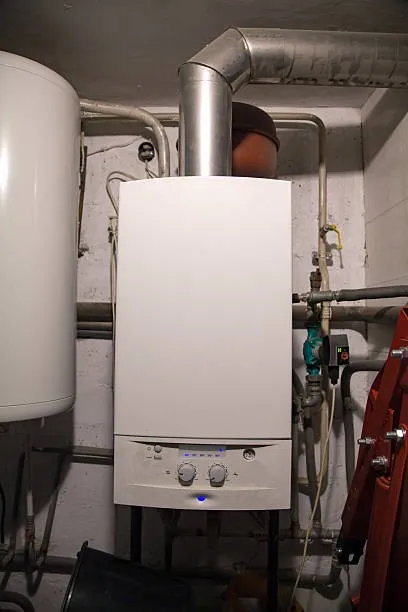
How tankless water heaters work
A tankless water heater heats water only when you turn on a tap or start a shower. Instead of storing hot water in a tank, cold water passes through a heat exchanger and is brought up to temperature on demand. This design eliminates standby heat loss and delivers a near-continuous flow of hot water as long as the unit’s flow rate capacity is not exceeded.
Why Clintonville homeowners choose tankless systems
- Energy savings: Because they avoid keeping a reservoir of hot water warm 24/7, tankless units can reduce energy consumption compared with conventional tanks, particularly for households with intermittent hot water use.
- Continuous hot water: Families who run simultaneous showers or use appliances while bathing will notice fewer shortages when the system is correctly sized.
- Smaller footprint: Tankless units mount on a wall, freeing basement or utility closet space — valuable in older Clintonville homes where storage can be limited.
- Longer service life: Tankless units typically last longer than traditional tanks when maintained, which suits homeowners planning long-term home improvements.
- Local climate advantage: Clintonville’s cold winters mean incoming groundwater temperatures are lower, which makes unit selection and proper sizing more important to maintain desired outlet temperatures.
Common tankless water heater types and issues in Clintonville, OH
- Gas-fired condensing and non-condensing models (common in homes with natural gas access)
- Electric models (useful where upgrading gas lines is impractical)
- Hybrid options paired with heat pumps in some retrofit scenarios
Common issues you’ll see in Clintonville homes include mineral scaling from hard water, insufficient hot water during winter peak demand, and installation challenges in older homes with limited venting routes or undersized gas service.
Sizing by simultaneous flow rates
Correct sizing is critical to avoid running out of hot water or overspending on capacity. Sizing is based on:
- Peak simultaneous demand: Add the flow rates (gallons per minute) of fixtures likely to run at the same time — e.g., two showers plus a dishwasher.
- Required temperature rise: Determine the difference between Clintonville winter groundwater temperature and the desired outlet temperature (shower temp). Cold incoming water increases the needed heating capacity.
- Select a unit with adequate GPM at that temperature rise: Manufacturers publish performance curves; choose a model that delivers the required flow at the expected inlet temperature.
Fuel type considerations: gas vs electric
- Gas tankless: Higher flow capacity and better for larger households or cold climates. Often requires proper venting and possibly a gas line upgrade in older Clintonville homes. Gas models typically deliver faster recovery and better performance for multiple simultaneous uses.
- Electric tankless: Simpler to install where venting is problematic and good for point-of-use installations or smaller households. However, high-capacity electric units may demand significant electrical service upgrades, which can mean panel or service lateral changes.
- Local utility and energy considerations: Fuel choice should factor in local energy prices, appliance efficiency, and availability of natural gas in your specific Clintonville neighborhood.
Installation requirements and common retrofit constraints
- Venting: Gas units need proper venting. Condensing models route exhaust through PVC in many installations, while non-condensing require stainless steel venting. Routing new vents in Clintonville’s older homes may require creative solutions and permits.
- Gas line upgrades: High-capacity gas tankless heaters often require larger-diameter lines or a dedicated gas run. Many older homes in Clintonville will need an evaluation to confirm adequate gas pressure and supply.
- Electrical service: Electric units or electronic controls on gas units may require upgraded breakers or a dedicated circuit. Verify panel capacity before selecting an electric model.
- Permits and inspections: Local building codes and permits are typically required for gas and vent work. Expect inspections as part of the installation process.
- Condensate drainage: Condensing units produce acidic condensate that must be drained properly in compliance with code.
Maintenance needs specific to Clintonville
- Descaling/flush schedule: If your home has hard water — common in parts of Ohio — flush and descale the heat exchanger every 6 to 12 months to maintain efficiency and prevent flow restrictions.
- Inlet filter and external filters: Clean or replace debris screens and filters regularly to avoid flow and ignition problems.
- Annual inspection: Have a qualified technician inspect burners, ventilation, and combustion components annually, particularly before winter when demand increases.
- Water treatment: Consider whole-house water softening or a point-of-use conditioner if mineral buildup is frequent.
Typical cost and payback scenarios (qualitative)
Tankless water heaters generally require a higher upfront investment than conventional tank units due to the equipment cost and potential for required upgrades (venting, gas/electrical service). However, the total lifecycle economics often improve if:
- Your household uses hot water frequently or has variable use patterns.
- You qualify for local or state energy incentives or rebates.
- You maintain the unit properly to preserve efficiency.Payback time depends on your hot water usage profile, local energy costs, and how much retrofit work is necessary. In many scenarios, homeowners recoup the higher initial cost through energy savings and longer equipment life, particularly when replacing an older, inefficient storage tank.
Common troubleshooting and what to expect
- No hot water / ignition failure: Check power supply and gas valve. For gas units, ensure adequate gas flow; for electric units, verify breakers.
- Insufficient hot water during multiple uses: Likely undersized for simultaneous demand. Solution: reduce simultaneous fixtures or upgrade to higher-capacity unit.
- Cold water sandwich: Short bursts of cold water between hot periods are normal with some models and usage patterns; proper recirculation or buffer strategies can reduce this effect.
- Error codes and reduced flow: Mineral buildup or clogged inlet filters can restrict flow and trigger faults. Regular flushing and filter cleaning usually resolve these issues.
- Venting and combustion odors: Any smell of combustion or improper venting should be handled immediately by a licensed technician and may indicate vent obstruction or installation problems.
Final considerations and maintenance tips
A tankless water heater in Clintonville, OH, is a strong choice for homeowners prioritizing efficiency, space savings, and long-term reliability. Key considerations are accurate sizing for the colder local groundwater temperatures, selecting the right fuel type for your property, and planning for installation needs in older homes. Regular maintenance, especially descaling in hard water conditions, protects performance and extends system life. When evaluating systems, focus on real-world flow rates at the temperature rise you need and the practical installation impacts to your home’s gas or electrical infrastructure.
Hot Deals & Cool Savings

.webp)
New Service Agreement Membership
.webp)
Any New Client Service
Next Service for Referring a New Client
New Service Agreement Membership
Any New Client Service
Next Service for Referring a New Client
.webp)
.webp)

Service Areas
