
Tankless Water Heater in New Albany, OH
Tankless water heater installation in New Albany, OH: learn sizing and ROI, plus what to expect; get a quick quote today.

Tankless Water Heater in New Albany, OH
Switching to a tankless (on-demand) water heater can be one of the most practical upgrades for New Albany, OH homes seeking continuous hot water, reduced energy waste, and a smaller mechanical footprint.
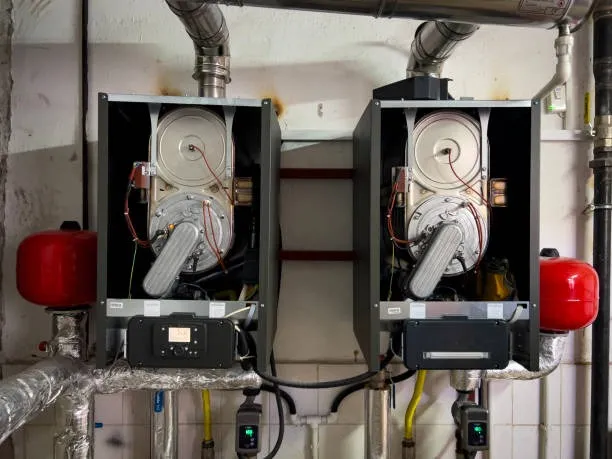
Why choose a tankless water heater in New Albany, OH
- Continuous hot water on demand eliminates cold-water recovery periods common with storage tanks.
- Lower standby energy losses since there is no stored hot water, which improves efficiency for homes with variable hot water use.
- Smaller physical footprint frees up utility closet or basement space in New Albany homes where usable space is at a premium.
- Reduced risk of large-volume leaks that can occur with older storage tanks.
Local factors that matter: New Albany experiences cold winters, which means groundwater entering a tankless unit will be colder than in milder climates. That greater required temperature rise reduces the maximum flow rate a unit can support. Central Ohio also tends toward moderately hard water, increasing the need for routine descaling and water treatment to protect the heat exchanger.
Common tankless water heater types and issues in New Albany
- Gas-fired (natural gas or propane): high flow capacity, good for whole-house applications; may require upgraded venting and gas lines.
- Electric: simpler installation in many cases but requires high-capacity electrical service for whole-house performance.
- Point-of-use units: small electric or gas units installed near a single fixture for instant hot water without piping losses.
Common service issues seen locally:
- Reduced output or fluctuating temperature due to scale buildup from hard water.
- Insufficient flow or drop in temperature during peak demand because of undersized unit or inadequate gas/electrical supply.
- Venting problems or code noncompliance in older homes when retrofitting gas units.
- Freeze risk for improperly located exterior units during Ohio winters.
How sizing works: flow rate and temperature rise
Sizing is based on two factors: the combined flow rate of simultaneous fixtures (gallons per minute, GPM) and the temperature rise needed (difference between incoming groundwater temp and the desired hot temperature).
- Typical fixture flow rates:
- Shower: 1.5 to 2.5 GPM (low-flow to standard)
- Kitchen sink: 1.0 to 2.0 GPM
- Dishwasher: 1.0 to 2.0 GPM
- Estimate household demand by adding expected simultaneous fixture flows. A 2-bathroom family home frequently needs a unit capable of 6 to 9 GPM at the required temperature rise.
- In New Albany winters, groundwater can be near the low 40s to low 50s Fahrenheit, so the temperature rise to reach 120°F is larger than in warm climates. That reduces the GPM output a given model can deliver and is a critical consideration when selecting capacity.
Manufacturers publish GPM ratings at specific temperature rises. For reliable performance, choose a unit whose rated GPM at your local temperature rise exceeds your peak simultaneous demand.
Installation and retrofit considerations
- Venting and combustion air: Gas tankless units require proper venting and sometimes stainless steel or special high-temperature vent piping. Installation must meet local code and manufacturer requirements.
- Gas service capacity: Older New Albany homes may have undersized gas lines. For whole-house gas tankless installations, a gas line upgrade or meter capacity check may be required.
- Electrical: Electric tankless units need sufficient amperage and dedicated wiring. Verify panel capacity and breaker requirements before choosing electric models.
- Water treatment: Hard water in the area suggests installing a water softener or targeted scale prevention system to protect the heat exchanger and extend service intervals.
- Physical location: Exterior-mounted units simplify venting but require freeze protection; interior units must have adequate drainage and service access.
- Permits and inspections: Local building and plumbing codes in New Albany will determine venting, combustion, and installation practices. Expect permit review and inspection for gas or electrical modifications.
Expected ROI and energy considerations
Tankless systems eliminate standby losses and can deliver meaningful energy savings, especially for households that do not use large quantities of hot water continuously. Typical efficiency gains compared to older storage tanks range widely depending on usage patterns—tankless systems are often more efficient for homes with moderate, intermittent hot water demand.
Return on investment is driven by:
- Your household’s hot water usage and peak demand
- Local fuel costs (natural gas vs electricity)
- Frequency of repairs or replacement for an aging storage tank
- Incentives and rebates available through local utilities or state programs
Because New Albany winters increase required temperature rise, the effective GPM capacity of a unit is reduced in cold months, which can affect how quickly energy savings offset installation investments. Factor expected energy savings, maintenance needs, and any available incentives into ROI calculations.
Maintenance needs and common troubleshooting
Regular maintenance preserves performance and warranty coverage. Recommended actions:
- Annual descaling/flush for most hard-water applications; frequency may increase with water hardness.
- Clean or replace inlet filters and strainers.
- Inspect venting and exhaust for blockages or corrosion.
- Check gas pressure and combustion if performance issues arise.
Common troubleshooting symptoms:
- Fluctuating or insufficient hot water: often scale buildup, undersized unit, or restricted flow.
- No hot water or error codes: could indicate ignition failures, air supply issues, or electrical faults.
- Low flow rate alarms: sediment, clogged screens, or flow sensor problems.
Documenting symptoms and recent maintenance helps diagnose issues quickly.
Brand options and warranty overview
Reputable brands commonly used in the U.S. include Rinnai, Navien, Noritz, Rheem, and Bosch. Warranties typically vary by brand and model:
- Parts warranty often ranges from several years to a decade.
- Heat exchanger warranties can be longer but are subject to maintenance and installation conditions.
Carefully review manufacturer warranty conditions, especially scale prevention requirements, to avoid voiding coverage in New Albany’s hard-water environment.
Rebates and incentives
Energy efficiency incentives can improve payback. Potential sources to investigate:
- Local utility rebates for high-efficiency water heating systems.
- State or federal tax incentives for qualified energy-efficient equipment (subject to current program rules).
- Manufacturer promotions or installer-specific rebate programs.
Confirm eligibility and documentation requirements before installation to ensure compliance with rebate terms.
Is tankless right for your New Albany home?
Tankless water heaters are an excellent fit for:
- Households that value continuous hot water and reduced energy waste
- Homes with inconsistent hot water demand or multiple point-of-use needs
- New construction or planned major remodels where venting and service upgrades can be integrated cost-effectively
Tankless may be less suitable for:
- Homes with very high simultaneous demand where multiple tankless units or a hybrid strategy would be required
- Properties with severe water hardness unless water treatment is installed
- Situations where gas or electrical service upgrades are impractical
When evaluating options, compare system capacity at your local temperature rise, installation complexity, maintenance expectations, and available incentives.
Final considerations
A properly sized and installed tankless water heater can deliver reliable hot water and lower energy use for New Albany households, but success depends on accurate sizing, adequate fuel and electrical supply, and a maintenance plan tailored to local water conditions. Prioritize models with solid heat exchanger warranties and follow recommended descaling schedules to maximize lifespan and performance in Central Ohio’s climate.
Hot Deals & Cool Savings

.webp)
New Service Agreement Membership
.webp)
Any New Client Service
Next Service for Referring a New Client
New Service Agreement Membership
Any New Client Service
Next Service for Referring a New Client
.webp)
.webp)

Service Areas
