
Tankless Water Heater in Pickerington, OH
Tankless water heater installation in Pickerington, OH: learn how they work, sizing tips, maintenance, warranties, and next steps—contact us.

Tankless Water Heater in Pickerington, OH
Choosing a tankless (on-demand) water heater for your Pickerington, OH home is a decision that affects comfort, energy use, and space. Tankless systems heat water only when you need it, offering endless hot water, a smaller footprint, and potential energy savings.
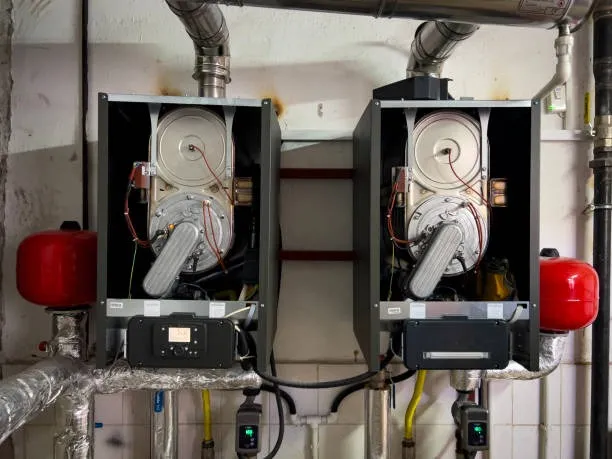
How tankless water heaters work
Tankless units heat water as it flows through a heat exchanger instead of storing hot water in a tank. When a tap or appliance calls for hot water, a burner or electric element activates and raises the temperature. Important performance factors include:
- Flow rate (GPM) - how many gallons per minute the unit can deliver at a given temperature rise.
- Temperature rise - the difference between incoming groundwater temperature and desired output.
- Fuel type - gas units provide higher flow rates for whole-house use; electric units are simpler to install for point-of-use or smaller homes.
In Pickerington, winter groundwater temperatures commonly drop into the 40s F. That larger temperature rise reduces the GPM a unit can deliver, so local sizing must account for cold Ohio winters.
Common tankless services and issues in Pickerington homes
- New whole-house tankless installation
- Point-of-use electric tankless for a bathroom or small apartment
- Replacing a failing tank with a tankless retrofit
- Gas line sizing or upgrade for natural gas units
- Electrical panel upgrades for high-amperage electric units
- Venting installation through exterior walls or chimneys
- Descaling and annual maintenance for mineral-rich water
Typical problems homeowners seek to resolve:
- Insufficient hot water at multiple fixtures during peak times
- Fluctuating water temperature when multiple fixtures run
- Low flow because of undersized unit for local temperature rise
- Scale buildup from hard water reducing efficiency and lifespan
Sizing and fuel-type selection
Sizing is the most important step. A proper load calculation considers:
- Number and type of simultaneous fixtures (showers, dishwasher, laundry)
- Desired output temperature (typically 110 to 120 F)
- Incoming groundwater temperature in winter
Quick reference examples:
- Single shower and sink: roughly 3.5 to 4.5 GPM required
- Whole-house with two showers plus laundry and dishwasher: 7 to 9+ GPM
Fuel considerations for Pickerington homes:
- Natural gas or propane - better for whole-house systems and higher GPM needs. Gas installations require venting and adequate gas line capacity.
- Electric - easier installation and smaller footprint. Best for point-of-use or smaller households because electric units need high-amperage circuits and may be limited by winter temperature rise.
A professional calculation will recommend a unit sized for Ohio winter conditions so you get consistent hot water year-round.
Installation requirements and common retrofit challenges
Installing a tankless unit in an existing Pickerington home can be straightforward or require upgrades depending on the property.
Possible installation needs:
- Venting: gas units require proper venting options - direct vent, power vent, or concentric venting depending on unit and location.
- Gas line: a larger diameter gas line or a second supply line may be needed for high-BTU units.
- Electrical: electric tankless units require dedicated 240V circuits and sufficient panel capacity; older homes may need a panel or service upgrade.
- Permits and inspections: local codes and permits are required; installations must meet Pickerington and county building codes.
- Space and mounting: tankless units can be wall-mounted inside a mechanical closet, garage, or on an exterior wall if rated for outdoor installation.
Common retrofit challenges in Pickerington:
- Older homes with undersized gas lines or old electrical panels
- Masonry or brick walls complicating horizontal vent runs
- Hard water in central Ohio causing faster scale buildup
- Long run distances from unit to fixtures leading to perceived wait time for hot water; may need a recirculation solution
Maintenance needs and longevity
Tankless systems have different maintenance than tank systems. Regular care keeps performance high and extends life.Recommended maintenance:
- Annual descaling or flush if water hardness is moderate to high
- Clean or replace inlet screens and filters periodically
- Inspect burners and venting on gas units annually
- Check for error codes and replace sensors or valves per manufacturer guidance
Typical lifespan is often longer than tank heaters, with many tankless units lasting 15 to 20 years when maintained. Proper maintenance is particularly important in Pickerington because mineral content in the water can accelerate scaling.
Warranty and reliability
Manufacturer warranties vary. Common structures include:
- Longer warranties on the heat exchanger (for example, 10 to 15 years) and shorter warranties on parts (3 to 5 years).
- Warranty coverage can depend on professional installation and documented annual maintenance.
- Some manufacturers offer different warranty terms for residential versus commercial use.
Always confirm warranty terms, required maintenance intervals, and any registration requirements before purchase.
Cost and payback expectations
Tankless systems typically have higher upfront costs than traditional tanks but can reduce operating costs because they avoid standby heat loss. Payback depends on:
- Household hot water usage patterns
- Fuel costs in your area
- Efficiency of the replacement tank system
- Any necessary home upgrades (gas line, electrical panel, venting)
Many homeowners in Pickerington see energy savings over time, particularly in households with moderate daily hot water use or a strong desire for endless hot water. Homes with large simultaneous demand may need multiple units to avoid performance tradeoffs.
Is a tankless solution a good fit for Pickerington homes?
Tankless is a strong option if you value:
- Endless hot water for multiple showers or a large family
- Saving space in mechanical rooms or closets
- Long-term energy efficiency and a longer expected unit life
Consider alternatives if:
- Your home regularly has very high simultaneous hot water demand and adding multiple units is impractical
- Your home’s gas or electrical service would require major upgrades that outweigh long-term savings
- Water hardness is high and you prefer minimal maintenance unless you install a water treatment system
Final considerations for Pickerington homeowners include winter temperature rise, local water quality, and existing utility service capacity. A professional load calculation and site review will confirm whether one tankless unit, multiple units, or a hybrid approach best meets your household needs while complying with local codes and ensuring reliable year-round performance.
Hot Deals & Cool Savings

.webp)
New Service Agreement Membership
.webp)
Any New Client Service
Next Service for Referring a New Client
New Service Agreement Membership
Any New Client Service
Next Service for Referring a New Client
.webp)
.webp)

Service Areas
