
Water Heater Installation in Berwick, OH
Water heater installation in Berwick, OH — learn more about expert site assessment, code-compliant setup, and financing options today.

Water Heater Installation in Berwick, OH
A properly sized, installed water heater affects comfort, energy bills, and property value. In Berwick, OH, where cold winters and variable water temperatures increase hot water demand, selecting the right system and ensuring professional installation prevents frequent breakdowns, reduces energy waste, and helps meet local code and permit requirements.
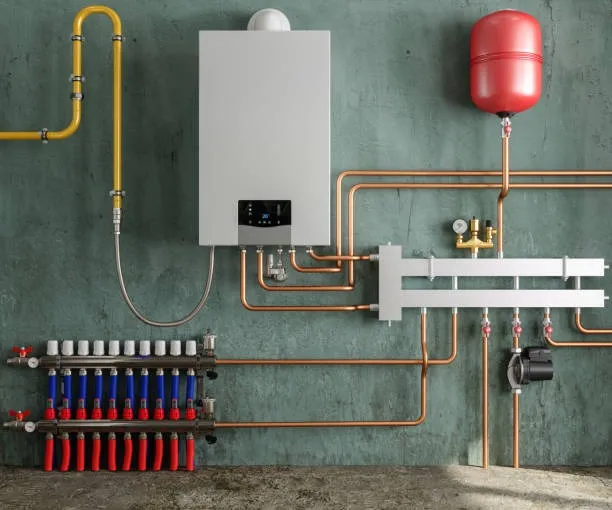
Common water heater types and how to choose
Choosing between a storage tank, tankless (on-demand), or electric heat pump water heater depends on household hot water usage, fuel availability, space, and long-term operating cost.
- Tank water heaters
- Best for households with intermittent, heavy simultaneous demand.
- Typical sizes: 40 to 80 gallons. A 40–50 gallon tank suits most 2–3 person homes; 60–80 gallon for 4+ people or frequent simultaneous showers.
- Pros: lower upfront cost, simpler replacement.
- Cons: standby heat loss, larger footprint.
- Tankless (on-demand) water heaters
- Deliver hot water continuously and can be more energy efficient when demand patterns fit.
- Sizing uses peak flow rate in gallons per minute (GPM) plus required temperature rise. In Berwick winters, incoming groundwater can be colder, requiring higher capacity units.
- Pros: longer lifespan, smaller footprint, reduced energy use in many cases.
- Cons: higher installation cost, may require electrical or gas line and venting upgrades.
- Heat pump (hybrid) water heaters
- Highly efficient electrically driven units that pull ambient heat to warm water.
- Best when installed in conditioned or semi-conditioned spaces with sufficient ambient air.
- Pros: significant energy savings in many climates.
- Cons: performance can drop in unheated spaces during very cold months.
Fuel considerations in Berwick, OH
- Natural gas is common and offers fast recovery; check existing gas line sizing.
- Electric and heat pump options are ideal where gas is not available.
- Propane or oil may be present in some properties; switching fuel types requires additional work and permits.
Site assessment and permit requirements
A thorough site assessment avoids surprises during installation. Key items evaluated:
- Available fuel type and capacity of gas line or electrical panel.
- Venting options and clearances for gas appliances.
- Location constraints: basement, garage, closet, or utility room.
- Plumbing configuration, pipe materials, and need for expansion tank or pressure relief upgrades.
- Water quality: hard water in the region increases scale buildup and may affect tankless performance and warranties.
- Access for delivery and removal of the old unit.
Permits and inspections
- Local building permits and inspections are typically required for new water heater installations, fuel line changes, and major electrical upgrades in Berwick and surrounding Mahoning County jurisdictions.
- Permit timelines vary; many projects proceed within a few days to a couple of weeks depending on municipality workload.
Professional installation steps and timeline
Typical installation timeline and what to expect on install day:
- Pre-install preparation (remote or on-site)
- Review of permit requirements, final system sizing, and any necessary upgrades.
- Ordering of unit and materials once system type and size are finalized.
- Typical install day (3 to 8 hours for like-for-like installations)
- Site preparation: clear area, protect floors.
- Disconnect and remove old water heater: drain tank, disconnect gas/electric, cut plumbing if needed.
- Prepare new system: set required clearances, install proper venting for gas units, or ensure electrical supply for electric/heat pump units.
- Plumbing and connections: install new water lines, pressure relief valve, and expansion tank if required.
- Gas or electrical hookup: final connections, pressure and leak testing for gas lines, correct breaker sizing and wiring for electric or heat pump units.
- Startup and commissioning: fill the system, bleed air, fire up the burner or element, and verify operation.
- Testing and cleanup: leak inspection, temperature checks, combustion analysis for gas appliances if required, and removal of installation debris.
- Extended projects
- Converting to tankless or switching fuel types may require additional work such as venting upgrades, electrical panel expansion, or gas line upsizing. These projects can take 1 to 3 days plus any permit scheduling.
Safety checks, post-install testing, and warranty
After installation, professional technicians perform critical tests:
- Leak checks on all plumbing and connections.
- Combustion and venting analysis for gas-fired units to confirm safe exhaust and efficient operation.
- Thermostat and recovery rate verification.
- Documentation of installed model numbers and serial numbers for warranty registration.
- Review of manufacturer warranty terms and any labor guarantee provided by the installer.
Warranty considerations
- Manufacturer warranties vary by model and type; tankless and high-efficiency units often have longer warranties on heat exchangers but may require annual maintenance for validity.
- Installer warranties often cover workmanship for a limited period. Make sure documentation for both is provided.
Energy efficiency and long-term operating costs
Energy-efficient choices matter in Berwick where heating demands rise in winter:
- Tankless and heat pump models can offer substantial energy savings over conventional tanks depending on household usage.
- Insulating hot water pipes, installing a tempering valve, and setting water heater thermostats to 120F can reduce energy use and scald risk.
- For cold-climate performance, select units with freeze protection, and situate equipment where ambient temperatures remain above freezing or provide proper enclosure and insulation.
Financing and rebate options
Several financing and incentive paths commonly apply:
- Manufacturer rebates for qualifying high-efficiency models.
- Utility rebates from regional energy providers for heat pump water heaters or high-efficiency tanks.
- Federal tax credits or energy-efficiency incentives for qualifying appliances may apply in certain years.
- Low-interest financing or payment plans are often available through equipment suppliers or third-party lenders.
Availability of specific rebates and financing varies; eligibility typically depends on model efficiency ratings and installation documentation.
Maintenance and long-term tips for Berwick homes
Regular maintenance extends lifetime and efficiency:
- Flush tanks annually to remove sediment if water is hard.
- Check and replace anode rods every few years on tank systems.
- For tankless units, schedule descaling if water hardness is elevated.
- Inspect relief valves, pipe insulation, and venting periodically.
- Consider installing a whole-house water softener where hardness impacts system longevity.
How on-site estimates are typically arranged
- An on-site estimate generally begins with a site visit to verify space, fuel and venting, and to take measurements for accurate sizing.
- During the visit, a technician documents existing conditions, discusses system options and expected timelines, and prepares a written estimate that outlines equipment choices, necessary upgrades for code compliance, and permit steps.
- Estimates commonly include recommendations for efficiency improvements and expected warranty coverage.
Hot Deals & Cool Savings

.webp)
New Service Agreement Membership
.webp)
Any New Client Service
Next Service for Referring a New Client
New Service Agreement Membership
Any New Client Service
Next Service for Referring a New Client
.webp)
.webp)

Service Areas
