
Water Heater Installation in Bexley, OH
Water heater installation in Bexley, OH with expert site assessment, tank or tankless options, permitting, installation, testing, and maintenance. Learn more.

Water Heater Installation in Bexley, OH
Replacing or installing a new water heater is a critical upgrade for comfort, safety, and energy efficiency in Bexley, OH homes. Whether you are upgrading an aging tank, switching to a tankless system, or installing a new unit during a remodel.
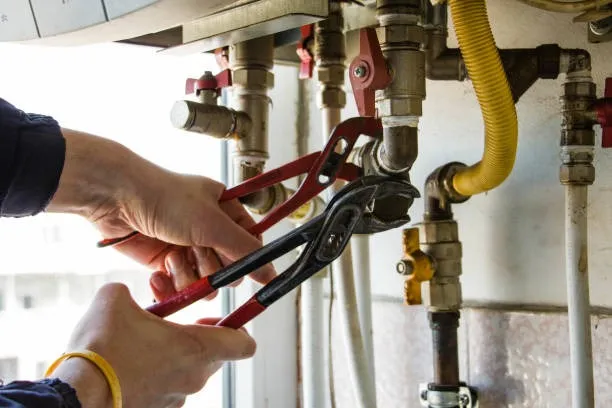
Why proper installation matters in Bexley, OH
Bexley experiences cold winters and a high seasonal demand for hot water. Many homes are older with limited utility access points, tight basements, or historic constraints that influence placement and venting. Properly sized and installed equipment reduces energy bills, prevents premature failure from hard water and sediment (common in central Ohio), and ensures safety with correct venting and gas/electrical work.
Common water heater issues in Bexley, OH
- Rusty or discolored hot water and visible corrosion on the tank.
- Frequent short cycling or lack of hot water during cold snaps.
- Sediment buildup reducing capacity and efficiency—worse in hard water areas.
- Leaks at the tank base, pressure relief valve, or fittings.
- Inadequate hot water for growing households or added appliances.
- Outdated venting, undersized gas lines, or insufficient electrical capacity in older homes.
Site assessment and load calculations
A thorough site assessment determines the best equipment and placement for your home:
- Inspect existing location: clearances, venting route, access for installation, and structural constraints common in Bexley basements or utility closets.
- Review fuel availability: natural gas is commonly available in the area; some homes may require electric or propane solutions.
- Perform load calculation: estimate peak hot water needs using occupants and typical fixtures. For example, add up likely simultaneous demands (showers, dishwasher, washing machine) to calculate required gallons per minute for tankless systems or total first-hour rating for tank systems.
- Check water quality: test for hardness and sediment to decide on softeners or pre-filters that prolong heater life.
Choosing tank size and fuel type
- Tank systems: Recommended by household size and first-hour recovery need. Larger families or homes with frequent simultaneous use often favor 50–80 gallon tanks (size chosen from load calculation).
- Tankless systems: Provide continuous hot water and compact footprint—ideal if space is limited or you want long-term energy savings. Performance depends on incoming water temperature (colder winters reduce flow rate unless sized accordingly).
- Fuel types:
- Natural gas: efficient and readily available for many Bexley homes; requires proper venting and combustion air.
- Electric: simpler installation where gas is unavailable; may need panel upgrade for high-capacity units.
- Heat pump (hybrid) systems: highly efficient in moderate climates and can yield significant energy savings indoors where space and clearance permit.
- Propane: used in select properties without natural gas access.
Tank vs tankless — what fits Bexley homes?
- Tank advantages: lower upfront complexity, simpler replacement in existing tank locations, reliable supply during high simultaneous demand, fewer upgrades to electrical or gas systems.
- Tankless advantages: energy efficiency, smaller footprint, longer expected equipment life, and no standby heat loss. Consider higher installation complexity for older homes due to venting and potential gas line or electrical upgrades.
- For cold-weather performance in Bexley, ensure tankless units are sized to compensate for Ohio’s incoming water temperatures or pair with a hybrid strategy (point-of-use tanks for high-demand fixtures).
Permitting and code compliance in Bexley, OH
- Most installations require a permit and inspection from the city or county building department. Permit requirements typically cover fuel connections, venting, combustion air, and electrical work.
- Compliance areas include proper vent termination, gas line sizing and leak testing, pressure relief valve routing, seismic or strapping where applicable, and electrical wiring meeting code.
- Work performed by licensed plumbers and electricians ensures code compliance and simplifies inspection approval.
Step-by-step installation workflow
- Pre-install site inspection and final load sizing.
- Obtain permits and schedule required inspections.
- Prepare the site: clear access, protect floors, and turn off utilities.
- Disconnect and remove old unit, cap lines as needed.
- Modify piping, venting, or electrical/gas provisions for the new unit.
- Set and secure the new water heater; connect water, fuel, vent, and electrical systems.
- Install safety components: expansion tank (if required), temperature-pressure relief valve, drain pan and condensate lines.
- Fill the system, purge air, and perform leak checks.
- Commission unit: adjust thermostat, run combustion analysis for gas units, and verify thermostatic and safety operation.
- Final inspection and documentation for warranty registration.
Typical timeline and cost considerations
- Timeline:
- Direct like-for-like tank replacement: often completed the same day (4–8 hours).
- Tankless installation or systems requiring venting/electrical/gas upgrades: typically 1–2 days, sometimes longer if permitting or structural work is needed.
- Major retrofits or conversions (electric to gas, or relocating heater): may take several days with additional inspections.
- Cost factors (no price figures provided): equipment type and efficiency rating, fuel conversion needs, venting complexity, required electrical or gas service upgrades, access and labor difficulty in older Bexley homes, permit and inspection fees, disposal of old unit, and add-on components like expansion tanks or water treatment.
Warranties, financing options, and post-install testing
- Warranties: manufacturer limited warranties vary by model; installers commonly offer labor warranties for workmanship. Register the product to activate full manufacturer coverage.
- Financing: many homeowners use home improvement financing or manufacturer-backed plans to spread cost. Ask about available options that include warranty coverage.
- Post-install testing and maintenance:
- Verify temperature and pressure relief valve operation and proper discharge routing.
- Perform combustion and carbon monoxide checks for gas systems.
- Confirm water temperature settings (commonly recommended at 120 F for safety and efficiency).
- Schedule routine maintenance: annual flushing to remove sediment, anode rod inspection every 3–5 years, and TPR valve testing. In hard water areas of central Ohio, consider a water softener or periodic descaling to extend system life.
Long-term benefits of timely replacement or upgrade
A properly installed water heater increases reliability through Bexley’s cold months, improves energy efficiency, reduces repair frequency, and maintains safety compliance. Thoughtful sizing, fuel choice, and water treatment tailored to your home’s needs deliver dependable hot water, lower operating costs over time, and peace of mind that your installation meets local codes and manufacturer requirements.
Hot Deals & Cool Savings

.webp)
New Service Agreement Membership
.webp)
Any New Client Service
Next Service for Referring a New Client
New Service Agreement Membership
Any New Client Service
Next Service for Referring a New Client
.webp)
.webp)

Service Areas
