
Water Heater Installation in Franklinton, OH
Water heater installation in Franklinton, OH. Compare tank, tankless, and heat pump options; learn permitting and warranty. Learn more.

Water Heater Installation in Franklinton, OH
Replacing or installing a water heater is a major home upgrade that affects comfort, energy bills, and long-term reliability. For homeowners in Franklinton, OH, choosing the right unit and a proper installation is especially important because of cold winters, older housing stock with limited mechanical space, and local code requirements.
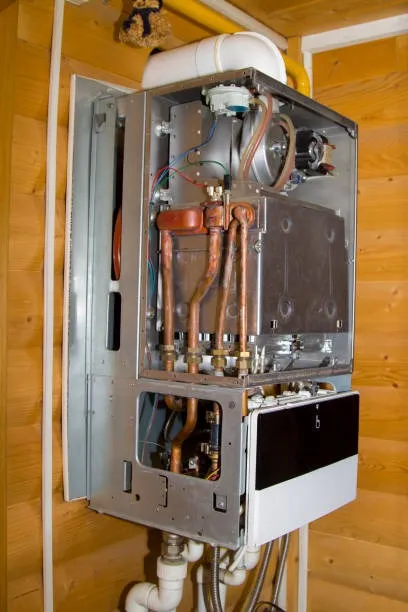
Why a professional site assessment matters
A site assessment is the first step in a safe, efficient installation. During this visit a technician will:
- Verify fuel availability and condition of existing gas, propane, or electrical connections.
- Measure required recovery rate and first-hour rating based on household size and peak demand.
- Inspect venting pathways, combustion air access, and clearances in basements or utility closets common to Franklinton homes.
- Check structural constraints, drain access for condensation and relief valves, and whether an expansion tank or drain pan is required.A properly sized and sited unit reduces cold-water sandwiches, limits energy waste, and avoids costly rework.
Tank vs tankless vs heat pump - which fits Franklinton homes?
Choosing the right technology depends on household hot water patterns, fuel costs, and space.
Tank water heaters
- Pros: Lower upfront purchase price, simple installation, good for simultaneous high-flow needs.
- Cons: Higher standby heat loss, shorter lifespan (typically 8 to 12 years), larger footprint.
- Well-suited for homes where many fixtures are used at once and where replacing in the same tight mechanical space is easiest.
Tankless (on-demand) water heaters
- Pros: Higher efficiency, longer service life (often 15+ years), endless hot water for long showers, smaller footprint.
- Cons: Higher upfront cost, may require larger gas line or electrical upgrades, reduced output for simultaneous high-flow events unless multiple units are installed.
- In Franklinton, tankless units are attractive for energy savings, but consider winter flow rates and possible freeze protection if installed in unheated areas.
Heat pump (hybrid) water heaters
- Pros: Best energy efficiency for electric systems, significantly lower operating costs in moderate climates.
- Cons: Larger physical size, require adequate ambient space and ventilation, performance drops in very cold locations.
- Good option if you want electric efficiency and have a conditioned basement or utility room.
Fuel types and conversion considerations
- Natural gas: Common in Columbus area. Offers strong recovery rates for tank and tankless models. Proper venting and combustion clearance are critical.
- Electric: Simpler installation electrically but may have higher operating costs. Heat pump models are electric and much more efficient than standard resistive elements.
- Propane: Used in homes without natural gas. Tankless propane units are effective but require correct gas supply sizing.During assessment, technicians confirm whether a fuel conversion is feasible and what gas line, venting, or electrical upgrades would be necessary.
Recommended energy-efficient models and brands
Dependable brands commonly used in residential installations include Rheem, A.O. Smith, Bradford White, Bosch, and Noritz for tankless systems. Recommended features to look for:
- High Energy Factor (EF) or Uniform Energy Factor (UEF) ratings
- Condensing tankless units for higher efficiency where venting allows
- Enhanced corrosion protection and long-life anode rods on tanks
- Smart controls or Wi-Fi readiness for better temperature management and diagnostics
Permitting and code compliance in Franklinton
Local permits and inspections are typically required for water heater replacements that involve fuel or electrical modifications or relocation. Installation must meet:
- Local building and plumbing codes for venting, combustion air, and pressure relief.
- Manufacturer clearances and seismic/strapping requirements where applicable.
- Electrical codes for dedicated circuits and disconnects on electric or hybrid units.A licensed installer will obtain necessary permits, schedule inspections, and ensure the installation passes municipal review.
Installation timeline and what to expect
Typical full-service installation timeline:
- Site assessment and quote: same-day or within a few days.
- Permit processing: can vary from a day to a week depending on local workload.
- Installation: 3 to 6 hours for a straightforward tank replacement; 6 to 12+ hours for tankless or conversions requiring gas/electrical upgrades.
- Post-install testing and inspector sign-off: 30 to 90 minutes following installation.Installers will remove the old unit, prepare the pad or mounting, make necessary fuel/electrical connections, install venting and safety devices, and perform startup procedures.
Post-install testing and handoff
After installation the technician will:
- Pressure test water and gas connections and check for leaks.
- Verify vent draft and combustion for gas units using appropriate instrumentation.
- Calibrate thermostat settings and demonstrate temperature controls.
- Run hot-water tests at several fixtures to confirm flow and recovery.
- Leave documentation including manufacturer warranty registration info and maintenance tips.
Warranty and service-plan options
Manufacturer warranties typically vary:
- Standard tank heaters: 6 to 12 years on tank or major components depending on model.
- Tankless units: often 10 to 15 years on heat exchanger if properly maintained.Extended service plans and annual maintenance contracts are available to cover parts and labor beyond the manufacturer warranty and to perform recommended yearly checks such as flushing, anode rod inspection, and gas burner cleaning.
Pricing estimates and financing
Costs depend on unit type, capacity, fuel, and required upgrades:
- Conventional tank units plus installation: commonly in a mid-range bracket for materials and labor.
- Tankless units (equipment and full installation): typically higher due to equipment and possible gas/electrical upgrades.
- Heat pump water heaters: mid to higher range but offer stronger operating cost savings.Financing options often include installment plans, equipment financing, or home improvement loans. Many homeowners offset higher upfront costs with energy savings over time, especially with tankless or heat pump systems.
Homeowner preparation checklist
To help the job proceed smoothly:
- Clear access to the water heater area and remove stored items from basements or closets.
- Know the location of shutoffs for water, gas, and main electrical panel.
- Ensure parking access near your home for delivery.
- Expect installers to need space for tools and a disposal area for the old unit.
- Plan for short hot water outages during the swap and for municipal inspections that may require brief wait times.
Long-term benefits of a professional installation
A proper installation in Franklinton, OH improves safety, code compliance, and long-term energy performance. It reduces the risk of leaks or combustion issues, extends the service life of the equipment, and ensures warranty coverage remains valid. Regular maintenance following installation preserves efficiency and helps prevent emergency failures during cold months.
This overview provides the practical information needed to decide on the right water heater technology and what a full-service installation in Franklinton, OH will involve.
Hot Deals & Cool Savings

.webp)
New Service Agreement Membership
.webp)
Any New Client Service
Next Service for Referring a New Client
New Service Agreement Membership
Any New Client Service
Next Service for Referring a New Client
.webp)
.webp)

Service Areas
