
Water Heater Installation in Powell, OH
Water heater installation in Powell, OH—learn sizing, permits, and safe, code-compliant installation steps for reliable hot water and energy efficiency.

Water Heater Installation in Powell, OH
Replacing or installing a new water heater is a major decision for Powell, OH homeowners. Proper installation affects safety, energy use, reliability, and long-term cost of ownership.
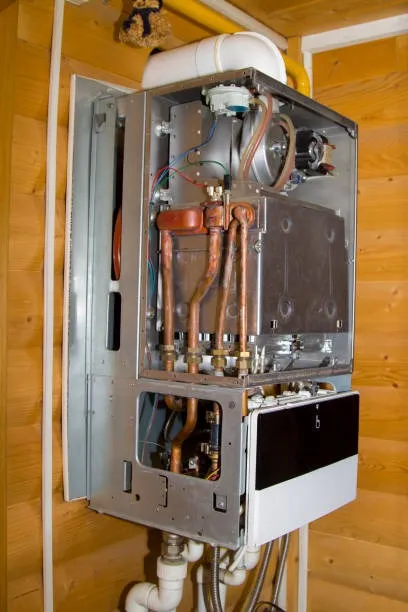
Why proper installation matters in Powell, OH
Powell experiences cold winters and varying seasonal usage that affect hot water demand. Many local homes have older plumbing and hard water, which speeds scale buildup and reduces equipment efficiency. A correctly sized, code-compliant installation reduces risk of leaks or failures during freeze periods, improves comfort during peak morning use, and can lower monthly energy bills.
Common water heater issues in Powell homes
- Inadequate hot water during peak hours (morning showers, dishwasher and laundry overlap)
- Frequent repairs on aging tank units with corroded tanks or failed heating elements
- Reduced performance from scale buildup in hard water areas
- Improper venting or electrical capacity for upgraded units
- Noncompliant installations lacking required permits or safety devices
Pre-installation assessment and sizing
A thorough pre-installation assessment ensures the new system matches household needs and site constraints. Key factors an installer or evaluator will consider:
- Household size and peak hour demand: number of bathrooms, typical simultaneous fixtures, and peak flow.
- Current and planned usage patterns: increased appliances, future family changes, or addition of an en suite.
- Available fuel types and utility costs in Powell: natural gas availability, electric service capacity, or propane access.
- Water characteristics: hardness and mineral content that influence tank vs tankless choices and scale prevention needs.
- Physical site: basement, garage, utility closet, venting routes, and accessibility for removal and replacement.
Sizing methods differ by technology:
- Storage tank: First Hour Rating (FHR) and tank capacity to match peak demand.
- Tankless: required flow rate (gallons per minute) and temperature rise based on incoming groundwater temperature in central Ohio.
- Heat pump/hybrid: daily usage and space for ventilation and condensate handling.
Tank vs. tankless and fuel-type comparison
Evaluate options based on efficiency, lifestyle, and upfront vs operating costs:
Tank water heaters
- Pros: lower initial cost, simple replacement, reliable when sized correctly.
- Cons: standby heat loss, limited hot water during high simultaneous use, shorter useful life than tankless in many cases.
Tankless (on-demand)
- Pros: continuous hot water, smaller footprint, higher energy efficiency, longer expected lifespan.
- Cons: higher upfront cost, more complex installation (venting, gas line sizing, electrical), potential for reduced performance with very hard water unless equipped with scale management.
Fuel-type considerations
- Natural gas: typically lower operating costs in the area and strong for high-demand households; requires proper venting and gas-line sizing.
- Electric: simpler venting requirements but potentially higher operating cost; good option where gas is unavailable.
- Propane: option for rural or off-grid properties; similar considerations to natural gas but requires safe tank supply.
- Heat pump/hybrid: most efficient electrically, especially in moderate climates; requires space with adequate airflow and may be less effective in unheated locations during very cold spells.
Site preparation
Proper site preparation reduces installation time and helps avoid surprises:
- Clear access and stable flooring where the unit will sit. In Powell, many installations occur in basements that must be protected from potential freeze conditions.
- Confirm venting route and space for combustion air for gas units. High-efficiency tankless or condensing units need condensate drains and appropriate vent materials.
- Verify electric panel capacity and dedicated circuit requirements for electric or hybrid units.
- Plan for necessary water line updates, shutoffs, pressure-reducing valve if pressure is too high, and expansion tank installation if the home has a closed plumbing system.
Permits and code compliance
Local and state codes protect safety and property. Required steps typically include:
- Obtaining permits from the Powell/Delaware County building department for most water heater replacements or upgrades.
- Ensuring installations meet Ohio residential and plumbing codes: proper venting, combustion air, seismic/strapping if required, temperature and pressure relief valve (TPR) routing, and drainage.
- Inspections by local authorities where required to verify safe, code-compliant work.
Professional installation steps
A professional installation typically follows these steps:
- Pre-install inspection and final sizing confirmation.
- Shut off utilities and safely drain and remove the old unit, isolating and capping fuel or electrical connections.
- Prepare the site: adjust piping, install or upgrade gas line or electrical connections, add venting or condensate drains as necessary.
- Mount or set the new unit, connect water lines, install TPR valve and safe discharge piping, and add required expansion tank on closed systems.
- Pressure and leak testing on water, gas, and vent systems. For gas units, perform combustion tests and adjust burners for optimal performance.
- Commissioning: set temperature, test thermostats and safety controls, and demonstrate operation of the system.
Post-install testing and customer education
After installation, a professional installer will run tests and explain operation and maintenance:
- Temperature recommendation: typically 120 F for safety and energy efficiency, with adjustments if needed for dishwashers or specific household needs.
- Show where water shutoffs and drain pans are located and how to operate the pilot or electric controls safely.
- Explain routine maintenance: annual flushes for tanks to remove sediment, descaling or water treatment options for tankless units in hard-water areas, anode rod inspection/replacement, and recommended service intervals.
- Provide documentation for manufacturer warranty and labor warranties, and register the product if required.
Warranty and financing options
Most manufacturers offer limited warranties on tanks, heat exchangers, and components; common coverage ranges based on model and type. Labor warranties vary by installer and may cover workmanship for a set period. Financing and payment plans are frequently available through third-party lenders or installer programs to spread upfront cost of higher-efficiency systems. Homeowners should compare manufacturer warranty length and what parts are covered, and clarify any required maintenance to keep warranties valid.
Disposal of old units
Responsible disposal includes:
- Draining and safely disconnecting old tanks, then recycling metal components where accepted by local recycling centers.
- Proper disposal of insulation and electronic components per local regulations.
- Handling of residual water and any environmentally sensitive materials according to county waste rules.
Long-term benefits and maintenance advice
A properly installed water heater improves comfort, safety, and energy efficiency in Powell homes. Regular maintenance extends equipment life and preserves warranty coverage. For Powell’s climate and typical water conditions, consider:
- Installing a water-softening or scale management solution for tankless systems.
- Scheduling annual inspections and flushing to minimize scale and sediment.
- Reviewing fuel and efficiency options when replacing an aging unit to optimize long-term operating costs.
A carefully planned, code-compliant installation that matches your household’s usage will deliver reliable hot water through Ohio winters and beyond while reducing unexpected repairs and operating costs.
Hot Deals & Cool Savings

.webp)
New Service Agreement Membership
.webp)
Any New Client Service
Next Service for Referring a New Client
New Service Agreement Membership
Any New Client Service
Next Service for Referring a New Client
.webp)
.webp)

Service Areas
