
Water Heater Installation in Westerville, OH
Water heater installation in Westerville, OH: learn our professional process, sizing guidance, permits, and rapid, code-compliant service. Contact us to get started.

Water Heater Installation in Westerville, OH
Replacing or installing a water heater is a major home upgrade that affects comfort, energy bills, and long-term reliability. In Westerville, OH, where cold winters increase hot water demand and many homes have basements or older plumbing, proper water heater installation ensures consistent performance, safe operation, and code compliance.
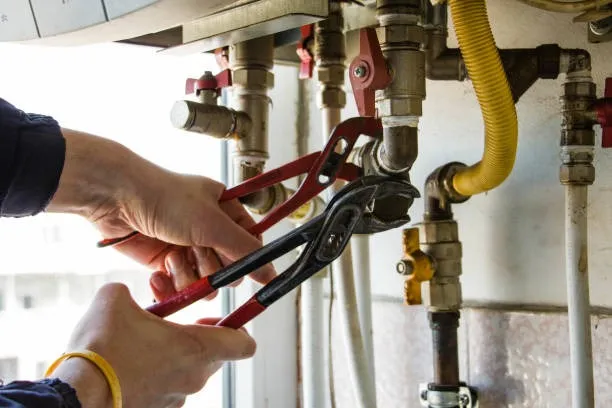
Why the right installation matters in Westerville homes
- Westerville winters increase hot water use and stress on systems during peak months.
- Many area homes have hard water, which shortens tank life and increases maintenance needs.
- Basements and tight mechanical closets are common, affecting venting and clearance requirements.Choosing the correct unit, sizing it to your household, and installing it to meet local codes reduces downtime, avoids safety risks, and improves efficiency.
Common water heater needs and problems we address
- Full replacement of failed or end-of-life gas, electric, or heat pump water heaters.
- Upgrades from standard tank to high-efficiency tank or tankless models.
- Sizing adjustments for growing families or added fixtures like gas stoves or additional bathrooms.
- Relocation or site prep to move units out of tight closets, protect from freeze, or improve venting.
- Conversion projects such as switching fuel types or installing power venting/condensing units.
- Code corrections and permit-based installations for homes with unpermitted work or older installations that don’t meet current safety standards.
Assessment: sizing, demand, and efficiency recommendations
A thorough assessment starts with your household hot water profile:
- Number of people and typical simultaneous hot water uses (showers, dishwasher, laundry).
- Peak flow needs and recovery expectations.
- Available utilities: natural gas, electric service capacity, or propane.
- Installation location constraints: basement, garage, closet, or outside.
Sizing and efficiency guidance:
- For tank models: select capacity that meets peak hour demand while matching recovery rate to refill needs.
- For tankless models: evaluate peak flow rate in gallons per minute and the required temperature rise for Westerville winters.
- Consider high-efficiency options: condensing gas units, heat pump water heaters (best for insulated basements or conditioned spaces), or ENERGY STAR qualified models where available.
- Factor in hard water: if mineral content is high, recommend corrosion-resistant materials, sacrificial anode selection, or a water softener to extend unit life.
Tank vs tankless comparison for Westerville homeowners
- Tank water heaters
- Pros: lower upfront complexity, reliable on-demand storage for multiple simultaneous uses, easier to install in many basements.
- Cons: standby heat loss, larger footprint, more susceptible to sediment buildup in hard water conditions.
- Tankless water heaters
- Pros: on-demand hot water, smaller footprint, higher energy efficiency for low-to-moderate demand households, longer expected life.
- Cons: higher initial installation complexity, may require upgraded gas line or electrical service, can struggle to supply simultaneous high-flow demands without multiple units or recirculation systems.
- Heat pump water heaters
- Pros: best efficiency for electric units, especially in basements or conditioned spaces.
- Cons: performance varies with ambient temperature and space requirements.
Site preparation and venting/plumbing requirements
Proper preparation avoids common installation delays:
- Verify clearances, combustion air for gas units, and accessibility for maintenance.
- For gas models, confirm flue sizing, vent type (atmospheric, power vent, or direct vent), and draft requirements.
- For condensing units, plan for condensate drainage and sealed venting.
- Ensure electrical supply meets manufacturer requirements for electric or hybrid units.
- Install or verify a drain pan with a proper drain line if the unit is located above finished spaces.
- Add expansion tank and pressure relief piping per code, and include a sediment trap for gas lines where required.
Permits, inspections, and code compliance in Westerville
City and county regulations require permits and inspections for most water heater replacements and installations. Installation must comply with:
- Ohio building and plumbing codes and applicable local amendments.
- City of Westerville permit and inspection requirements; coordination with the local building department is standard practice.Work performed without proper permits can lead to failed inspections and safety liabilities. Professional installations include permit pull and inspection scheduling to ensure code compliance.
Step-by-step installation process and typical timeline
- On-site assessment and final unit selection: confirm sizing, venting, and utility requirements.
- Permit application and scheduling: begin while ordering equipment.
- Site prep: clear area, prepare drain, and verify utilities.
- Removal and disposal of old unit: disconnect utilities, drain tank if present, and remove safely.
- Rough-in and installation: set new unit, connect gas or electrical, install venting, and complete plumbing and pressure relief piping.
- Startup and testing: check for leaks, verify correct gas pressure or electrical connections, purge air, and set temperature controls.
- Combustion and safety checks for gas units (if applicable), and final inspection with building department.Typical timeline from assessment to inspection is often 1 to 3 business days for straightforward replacements; specialty installations or permit scheduling may extend that timeline.
Post-installation testing, warranty, and documentation
After installation:
- Perform leak checks, temperature verification, and pressure relief valve testing.
- For gas units, conduct combustion analysis and carbon monoxide safety verification if appropriate.
- Record serial numbers, warranty information, and installation details for owner records.
- Explain unit operation, control settings, and safety features to the homeowner.Most new units include manufacturer warranties on parts and tank or heat exchanger; installation workmanship may carry a separate warranty. Make sure all warranty registration steps are completed.
Operation, maintenance, and longevity tips for Westerville
- Flush tank-style water heaters annually to remove sediment, which is more important in hard-water areas.
- Check and replace sacrificial anode rods every few years on tank units to prevent corrosion.
- Inspect pressure relief valves annually and test at least once per year.
- For tankless units, schedule descaling or maintenance based on water hardness and manufacturer recommendations.
- Keep ventilation and combustion air pathways clear, especially in winter when doors and vents are often closed.
- Consider adding a water softener or whole-house filtration if your water test shows high mineral content.
- Maintain a safe thermostat setting (typically 120 degrees F) to balance scald protection and energy use.
Benefits of professional installation for Westerville homeowners
Professional installation ensures correct unit sizing, safe venting, code compliance, and reliable operation through testing and inspection. For Westerville homes facing cold winters, hard water, or confined mechanical spaces, expert installation reduces the risk of premature failure, improves energy efficiency, and protects your home from leaks or combustion hazards.
If you are weighing replacement options or planning a new installation, evaluate household demand, fuel availability, and space constraints to choose the right system and ensure a code-compliant, durable installation that fits life in Westerville, OH.
Hot Deals & Cool Savings

.webp)
New Service Agreement Membership
.webp)
Any New Client Service
Next Service for Referring a New Client
New Service Agreement Membership
Any New Client Service
Next Service for Referring a New Client
.webp)
.webp)

Service Areas
