
Water Heater Installation in Worthington, OH
Water heater installation in Worthington, OH: assess size, permits, energy efficiency, and financing for your home today. Learn more.

Water Heater Installation in Worthington, OH
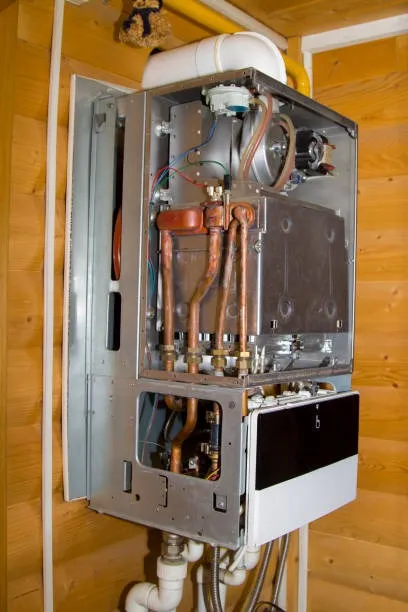
Replacing or installing a water heater is a significant home investment that affects comfort, energy bills, and long-term maintenance. If you live in Worthington, OH, local climate, older housing stock, and common utility setups shape the best choice for your home.
Why replace or upgrade a water heater in Worthington, OH
Worthington sees cold winters and temperature swings that increase hot water demand for longer showers and more frequent laundry. Common reasons homeowners replace units include:
- Age and declining performance (typical tank life 8–15 years)
- Rising energy bills from inefficient units
- Rusty or low-volume hot water
- Space constraints or need for improved reliability
- Desire to reduce carbon footprint with a high-efficiency or heat pump model
Understanding local conditions helps select the system that balances performance, upfront cost, and lifetime savings.
Site assessment and accurate sizing
A proper installation begins with a thorough site assessment and sizing review:
- Inspect the existing location: mechanical closet, basement, garage, or attic. Check access, ventilation, and structural limits.
- Determine fuel availability: natural gas, propane, or reliable electric service. Many Worthington homes have municipal gas service; some may be electric-only.
- Calculate demand: size based on peak hour hot water needs. For storage tanks use First Hour Rating (FHR); for tankless water heaters use required flow rate (gallons per minute) and temperature rise.
- Check venting, combustion air, and clearance needs. Older homes may need updated venting or combustion air provisions.
- Evaluate water quality and pressure. Moderate to hard water in the Columbus region can shorten tank life and influence whether a water softener or corrosion-resistant materials are recommended.
Accurate sizing prevents undersized systems that fail to meet demand or oversized units that waste energy.
Tank vs tankless and fuel-type options
Choosing between storage tanks, tankless (on-demand), and alternative technologies depends on usage patterns and priorities.
Tank water heaters
- Pros: lower initial cost, simpler installation, stores hot water for simultaneous use
- Cons: standby heat loss, larger footprint, shorter useful life for conventional electric or gas tanks
- Key metric: First Hour Rating (FHR)
Tankless (on-demand) water heaters
- Pros: compact, long service life, minimal standby loss, lower operating cost in many households
- Cons: higher upfront cost, may require upgraded gas line or electrical capacity, performance tied to proper sizing
- Key metric: Gallons per minute (GPM) at given temperature rise
Heat pump (hybrid) water heaters
- Highly efficient for electric homes and can offer big energy savings in milder parts of the year. Require sufficient space and proper clearance for airflow.
Fuel considerations
- Natural gas and propane often deliver lower operating cost for high-demand homes but require proper venting and gas line sizing.
- Electric options are simpler to install and pair well with heat pump technology or homes without gas service.
Equipment selection and energy-efficiency ratings
When selecting equipment, look beyond brand to key efficiency and performance numbers:
- Uniform Energy Factor (UEF) for both tank and tankless models: higher UEF means better efficiency.
- First Hour Rating (FHR) for tanks and GPM at temperature rise for tankless.
- ENERGY STAR certification for heat pump water heaters and minimum UEF thresholds may qualify for incentives.
- Low-NOx burners, high R-value insulation, and corrosion-resistant materials increase longevity.
- Consider manufacturer warranty terms (tank vs heat exchanger coverage) and available extended parts coverage.
Matching the model to your household profile and local fuel costs delivers better lifecycle value.
Permitting, code compliance, and safety in Worthington
Permits and inspections are a standard part of water heater installation. Installations must follow Ohio plumbing and mechanical codes and Worthington local building requirements. Key compliance items include:
- Obtaining required permits and scheduling inspections
- Proper venting, combustion air, and vent termination for gas units
- Correct gas line sizing and shutoff locations
- Proper pressure relief valve and safe drain routing
- Electrical circuit sizing for electric or hybrid units
- Carbon monoxide detection and clearances per code where applicable
A licensed installer will manage permits and ensure the installation passes local inspections for safety and code compliance.
Step-by-step installation timeline
Typical installation steps provide a predictable timeline:
- Pre-install inspection and permit pull: confirm site details and secure permits.
- Preparation: shut off utilities, drain and disconnect the old unit, and remove it.
- Rough-in modifications: update gas piping, electrical wiring, venting, or plumbing as needed.
- Mount or set the new unit: secure tank or wall-mounted tankless unit; install condensate drain if required.
- Connect plumbing and fuel/electrical systems; install expansion tank where required.
- Commissioning: fill the system, purge air, and set temperature controls.
- Testing: pressure and leak checks, combustion analysis for gas appliances, and flue draft verification.
- Final inspection: local inspector verifies code compliance.
Most straight swaps complete in a single day. Complex installs requiring rerouting, structural work, or permit schedules can take 1–3 days.
Post-install testing, commissioning, and warranty
After installation, comprehensive testing ensures safety and performance:
- Leak and pressure testing for hot and cold plumbing
- Combustion analysis and draft testing for gas units
- Electrical checks and verification of control settings for electric/hybrid units
- Demonstration of operation and recommended setpoints for efficiency and comfort
Review manufacturer warranty coverage for components and the expected labor warranty from the installer. Register warranties and keep maintenance records. Regular maintenance—flushing tanks, descaling tankless systems, and checking anode rods—extends equipment life and preserves warranties.
Financing, rebates, and long-term savings for Worthington residents
Upfront cost is a major consideration. Options often include:
- Utility and state incentives: Ohio utilities and local programs periodically offer rebates for high-efficiency tanks or heat pump water heaters
- Federal incentives: certain energy-efficient technologies may qualify for tax credits; eligibility can change over time
- Installer financing options: many providers offer payment plans for replacements and upgrades
Weigh upfront cost against operating cost reductions. High-efficiency models, especially heat pump or high-UEF systems, typically offer lower annual energy bills and a favorable payback timeline in Worthington’s heating-dominant climate.
Maintenance tips and final considerations
- Schedule annual or biennial maintenance: flush tanks, inspect anode rods, or descale tankless units
- Keep installation area clear and maintain required clearances
- Set temperatures to a safe but efficient level (follow manufacturer guidance)
- Consider water treatment if your home has hard water to protect heat exchangers and tank life
A properly sized, code-compliant, and efficiently installed water heater provides dependable hot water, lower energy bills, and peace of mind for Worthington homes. This guide outlines what to expect and which factors matter most when comparing options and planning installation.
Hot Deals & Cool Savings

.webp)
New Service Agreement Membership
.webp)
Any New Client Service
Next Service for Referring a New Client
New Service Agreement Membership
Any New Client Service
Next Service for Referring a New Client
.webp)
.webp)

Service Areas
