
Water Heater Repair in Downtown Columbus, OH
Water heater repair in Downtown Columbus, OH offers expert diagnosis, fast service, and repair or replacement options. Schedule now.

Water Heater Repair in Downtown Columbus, OH
When your water heater stops working, it disrupts daily life fast. In Downtown Columbus, OH, where older multi-family buildings and seasonal temperature swings put extra strain on plumbing systems, reliable water heater repair is essential.
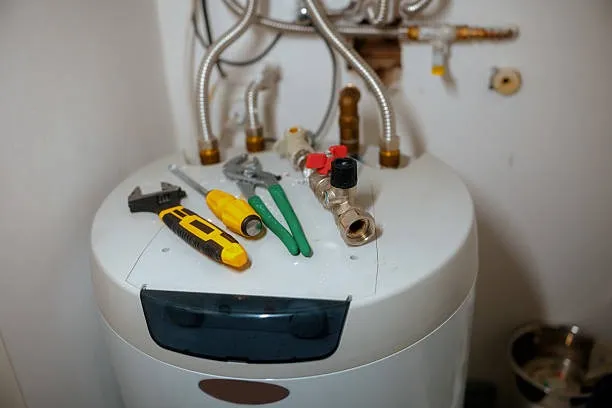
Common water heater problems in Downtown Columbus and what causes them
Downtown Columbus properties face particular challenges: older tanks, hard water mineral buildup, and systems sized for different occupancy patterns. The most frequent issues include:
- No hot water
Causes: failed heating element (electric), broken gas valve or thermocouple (gas), tripped circuit breaker, or sediment insulating the heating element. Diagnosis isolates whether the problem is electrical, gas supply, or internal component failure. - Insufficient or fluctuating hot water
Causes: undersized tank for household demand, thermostat miscalibration, failing element, or heavy sediment buildup reducing capacity. - Leaking tank or fittings
Causes: corroded tank shell, failed drain valve, loose plumbing connections, or pressure relief valve discharge. Leaks from the tank itself typically mean replacement is recommended. - Pilot light or ignition issues (gas units)
Causes: dirty pilot orifice, faulty thermocouple, a blocked vent, or gas control valve failure. Downtown buildings with older venting systems can present additional troubleshooting steps. - Thermostat or heating element failure (electric units)
Causes: normal wear, power surges, or mineral buildup. Symptoms include cold spots, tripped breakers, or unusually long recovery times. - Strange noises
Causes: sediment hardening at the tank bottom, causing popping or rumbling; severe noise often indicates significant sediment and reduced efficiency.
Step-by-step diagnostic and repair process
A clear, systematic approach reduces unnecessary work and ensures safety:
- Initial assessment
Confirm symptoms, energy source (gas or electric), unit age and model, and building access logistics common in Downtown Columbus buildings. - Safety checks
Verify power or gas supply is off before opening panels, confirm venting integrity on gas units, and test pressure relief valve as needed. - Component testing
Use multimeters for electrical elements, test thermostats, check thermocouple or ignition systems on gas units, and inspect visible plumbing for leaks or corrosion. - Internal inspection
Drain a portion of the tank if needed to evaluate sediment levels, inspect anode rod condition, and assess tank corrosion. - Repair plan and parts recommendation
Present repair-versus-replace options based on findings, unit age, and cost-effectiveness. For older tanks with significant corrosion or repeated failures, replacement is often the longer-term economical choice. - Execution and verification
Replace or repair parts, reassemble, restore power/gas, and monitor a full heating cycle to confirm proper operation and no leaks.
Parts replacement options and typical repair timelines
Common replacement parts and general timeframes for repair work in Downtown Columbus settings:
- Heating elements (electric): replacement typically takes 1 to 2 hours.
- Thermostats: under 1 hour for straightforward units.
- Thermocouples and gas valves: 1 to 2 hours depending on access.
- Pressure relief valves and drain valves: under 1 hour.
- Anode rod replacement: 1 to 2 hours.
- Tank replacement: same-day to next-day depending on unit availability and building access; coordinating permits or elevator use in downtown buildings can add time.
Parts are available for most makes and models; when specialty components are required, lead times depend on supplier inventory. In Downtown Columbus, older systems may need retrofit fittings or venting adjustments that extend work time.
Emergency and same-day service, and diagnostic fee policy
Emergency and same-day responses are often necessary for no-hot-water situations, significant leaks, or gas-scent reports. Service availability generally prioritizes safety risks and occupancy impact.
A clear diagnostic fee policy helps customers understand costs before work begins. Diagnostics typically cover inspection, testing, and a written repair recommendation. That diagnostic fee is applied transparently and may be credited toward approved repairs or replacements. Exact fee amounts and whether they are credited vary by provider; ask about how the diagnostic fee is handled before work begins.
Warranty information for parts and labor
Warranty coverage usually comes from two sources:
- Manufacturer warranty: Applies to replacement parts and new units; durations vary by manufacturer and component. Anode rods, elements, and thermostats often have limited warranties, while tank warranties run longer on newer units.
- Service warranty: Covers labor and workmanship for repairs performed. Typical service warranties range from short-term to longer coverage for certain repairs. For replacements, labor warranties often accompany new unit installations.
Always confirm written warranty terms for both parts and labor, including what is covered, exclusions (such as sediment-related failures), and any maintenance required to keep warranties valid.
Preventative maintenance to avoid future breakdowns in Downtown Columbus homes
Regular maintenance increases reliability and extends service life—especially important in Downtown Columbus where hard water and heavy usage are common.
- Flush the tank annually to reduce sediment buildup and improve heating efficiency.
- Inspect and replace the anode rod every 3 to 5 years to prevent tank corrosion.
- Test the temperature and pressure relief valve once a year.
- Check and adjust thermostat settings to prevent scalding and reduce wear.
- For gas units, inspect venting and combustion air supply annually, especially in older downtown buildings with tight envelopes.
- Consider adding a water softener or scale reduction system if mineral buildup is frequent.
These simple steps reduce emergency calls, improve energy efficiency, and protect warranty coverage.
How scheduling and access typically work for Downtown Columbus properties
Scheduling repairs in Downtown Columbus often requires coordination around building access, elevator reservations, or after-hours windows for commercial properties. When arranging service, have these details ready:
- Building type: private home, apartment, condo, or commercial unit
- Unit location and access instructions (elevator, stair access, parking or loading dock details)
- Water heater make, model, capacity, and approximate age if known
- Description of symptoms and how long they have been occurring
- Preferred availability windows for service technicians
Service providers commonly offer regular business-hour visits, evening or weekend windows for non-emergency work, and prioritized response for emergencies based on safety and impact.
Why timely water heater repair matters in Downtown Columbus
Addressing water heater problems promptly prevents property damage from leaks, avoids extended cold-water periods during Columbus winters, and reduces energy waste from inefficient operation. For downtown residences and businesses, timely repair preserves comfort, minimizes disruption, and often costs less than emergency replacements after a catastrophic failure.
Preventive care, informed repair decisions, and attention to local building logistics will keep your hot water reliable year-round in Downtown Columbus, OH.
Hot Deals & Cool Savings

.webp)
New Service Agreement Membership
.webp)
Any New Client Service
Next Service for Referring a New Client
New Service Agreement Membership
Any New Client Service
Next Service for Referring a New Client
.webp)
.webp)

Service Areas
