
Water Heater Repair in Grove City, OH
Water Heater Repair in Grove City, OH: expert diagnostics, fast repairs, and safety-focused service to restore hot water. Contact us for same-day help.

Water Heater Repair in Grove City, OH
A reliable water heater is essential for comfort and safety in Grove City homes, especially through cold Central Ohio winters. If you are experiencing no hot water, weak hot water flow, leaks, strange noises, or pilot and ignition failures, timely professional water heater repair protects your plumbing, prevents property damage, and restores daily routines.
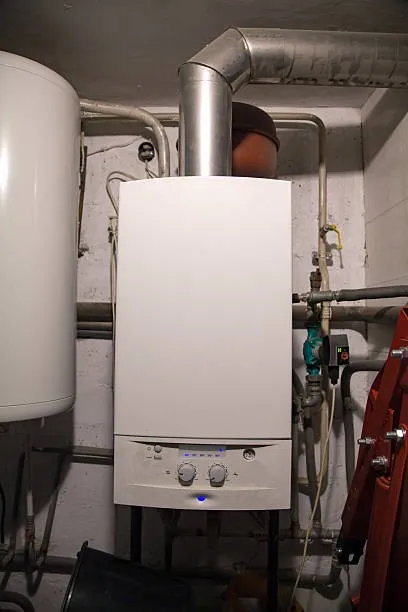
Common water heater problems in Grove City homes
Homes in Grove City face seasonal and regional factors that influence water heater performance. Colder months increase demand, and Central Ohio’s moderately hard water contributes to sediment buildup and anode corrosion. Typical issues include:
- No hot water or inconsistent temperature
- Insufficient hot water capacity
- Visible leaks from tank, fittings, valves, or fittings
- Loud rumbling, popping, or banging (sediment)
- Pilot light or electronic ignition failures (gas units)
- Tripped breakers or electrical faults (electric units)
- Water discoloration or metallic taste (corrosion)
- Pressure relief valve leaks or dripping
Diagnostic process: how we find the root cause
A clear diagnostic process separates quick fixes from necessary replacements. A typical diagnostic includes:
Visual inspection
- Check for leaks, corrosion, rust, loose fittings, and signs of past repairs.
System checks
- Verify thermostat settings, circuit breakers, and gas supply status.
Component testing
- Test heating elements and thermostats (electric), inspect pilot assembly and gas control valves (gas), and test TPR (temperature pressure relief) valve operation.
Water flow and temperature measurements
- Measure inlet/outlet temperatures and flow to identify dip tube or capacity issues.
Sediment and anode inspection
- Assess sediment level and anode rod condition in older tanks.
Safety and venting checks
- Confirm proper venting and combustion air for gas units to prevent carbon monoxide risk.
Diagnostics in Grove City often account for winter loads and mineral deposits typical of central Ohio water, which affect both electric and gas heaters.
Typical repairs and what they involve
Common repairs restore safe, efficient operation without unnecessary replacement. Typical services include:
- Thermostat or heating element replacement (electric)
- Replacing failed elements or thermostats to restore heat.
- Ignition and pilot repairs (gas)
- Cleaning or replacing pilot assemblies, thermocouples, or electronic igniters.
- Gas control valve and safety device replacement
- Replacing malfunctioning control valves that regulate gas flow and safety cutoffs.
- Leak repair
- Repairing or replacing leaking fittings, inlet/outlet connections, valves, or replacing the tank if the tank itself is compromised.
- Pressure relief valve service
- Replacing a faulty TPR valve or addressing overpressure causes like closed expansion issues.
- Sediment removal and flush
- Flushing tank to remove mineral buildup that reduces efficiency and creates noise.
- Anode rod replacement
- Installing a new sacrificial anode to protect tank steel from corrosion.
- Element and control board service for hybrid and heat pump models
- Repair or replacement of electronic components unique to newer systems.
When repairs are repeated or the unit is older than its expected lifespan (typically 8-12 years for conventional tanks), replacement may provide better long-term value and energy savings.
Emergency response and typical timelines
Water heater emergencies in Grove City can include active leaks, flooding, gas smell, or complete loss of hot water during freezing conditions. Emergency response protocols usually include:
- Rapid triage over the phone to assess safety risks like gas leaks or active flooding
- Immediate guidance to shut off water, gas, or power as needed
- Priority scheduling for same-day or next-few-hours response for hazardous or property-damaging situations
- Stabilization work to stop leaks or isolate hazards, followed by permanent repair scheduling
Exact response windows vary by season and call volume, but emergency prioritization focuses on safety and limiting water or gas damage.
Pricing structure: flat-rate vs hourly
Understanding pricing models helps you compare options transparently.
- Flat-rate pricing
- Common for specific, standard repairs (for example, replacing a heating element or thermostat). Flat rates provide predictable costs and include labor, typical parts, and diagnostic time.
- Hourly pricing
- Used for complex or open-ended jobs where the full scope is unknown when work begins. Hourly work is common for extensive leak tracing, custom piping, or when parts must be sourced.
- Parts and warranty explanations
- Labor and parts may carry separate warranties. Expect clear disclosure of parts manufacturer warranties (vary by brand) and labor warranty terms. A reputable provider will explain what is covered and for how long before any work begins.
Technician qualifications and safety procedures
Competent technicians protect your home and family. Key qualifications and practices include:
- Licensed plumbers or certified technicians familiar with local Ohio plumbing codes and gas appliance regulations
- Factory training and experience on major water heater brands and models
- Proper use of safety equipment and adherence to local building and fuel codes
- Pre-repair safety checks: gas leak detection, carbon monoxide risk assessment, electrical isolation, and water shutoff
- Clean, documented work practices including disposal of old parts and post-repair testing to verify safe operation
For gas units, technicians should follow strict venting, combustion air, and gas-tightness standards to ensure safe operation in Grove City homes.
Preventive maintenance tips for Grove City homeowners
Simple maintenance extends equipment life and reduces emergency repairs:
- Schedule an annual inspection and flush to remove sediment, more often if your home has hard water
- Replace the anode rod every 3-5 years or sooner if corroded
- Set thermostat to 120 F for energy savings and to reduce scaling
- Test the TPR valve annually for proper operation
- Insulate exposed hot water pipes and the tank (if accessible) to reduce heat loss in cold months
- Consider installing an expansion tank if you have a closed municipal water system
- Monitor for early signs of trouble: unusual noises, rusty water, reduced hot water capacity, or visible drips
In Grove City, winterizing exposed piping and checking heater performance before the cold snap helps avoid emergency failures.
Hot Deals & Cool Savings

.webp)
New Service Agreement Membership
.webp)
Any New Client Service
Next Service for Referring a New Client
New Service Agreement Membership
Any New Client Service
Next Service for Referring a New Client
.webp)
.webp)

Service Areas
