
Water Heater Repair in Lewis Center, OH
Water heater repair in Lewis Center, OH: fast diagnostics, clear estimates, and reliable service. Schedule your repair now for safety and peace of mind.

Water Heater Repair in Lewis Center, OH
A malfunctioning water heater disrupts daily life quickly — no hot showers, poor dishwasher performance, and potential water damage if a leak develops. For homeowners in Lewis Center, OH, prompt, accurate water heater repair keeps comfort and safety intact through cold central Ohio winters and hard-water conditions that accelerate wear.
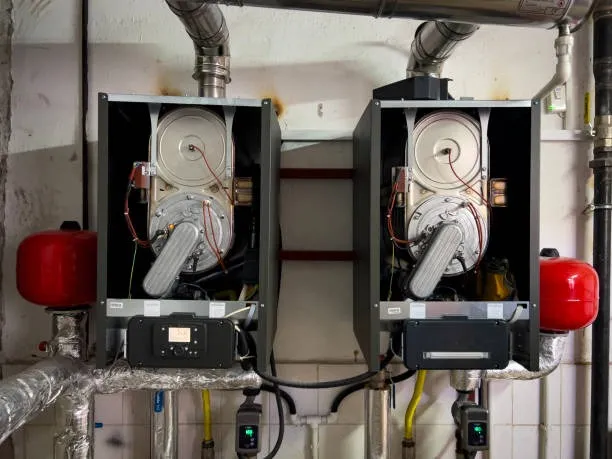
Common water heater repair issues in Lewis Center, OH
Homeowners in the Lewis Center area frequently encounter these problems, magnified by seasonal demands and local water quality:
- Leaks and corrosion — tank or fittings leaking due to age, sediment abrasion, or frozen/expanded pipes in winter.
- Pilot light or ignition failure (gas units) — faulty thermocouple, gas supply issues, or clogged pilot orifice.
- Faulty thermostats and temperature control — inaccurate thermostat or wiring faults causing insufficient or overly hot water.
- Heating element failure (electric units) — burned-out resistive elements that prevent the tank from heating.
- Sediment buildup and reduced efficiency — mineral-heavy municipal water deposits reduce heat transfer and lead to noisy operation or premature element failure.
- Pressure relief valve (T&P) problems — leaking or sticking valve indicates pressure or temperature issues that must be addressed.
- No hot water after power outage or gas interruption — electrical or gas supply checks, reset controls, or component replacement.
Diagnostic process: what to expect
A systematic diagnostic identifies the root cause before any repair:
- Initial inspection — visual check for leaks, rust, corrosion, and confirmation of unit type (tank vs tankless, gas vs electric).
- Operational checks — verify power or gas supply, pilot/ignition behavior, and control settings.
- Component testing — use of multimeter to test thermostats and heating elements, pressure testing for leaks, and thermocouple checks on gas units.
- Sediment assessment — drain a portion of the tank to inspect water clarity and sediment level.
- Safety device evaluation — test the T&P valve and check for signs of venting issues or combustion problems on gas appliances.
Diagnostics typically take 30 minutes to 90 minutes depending on accessibility and complexity. A clear, itemized assessment identifies whether repair or replacement is the most cost-effective and reliable course.
Typical repair procedures and solutions
Common repairs performed after diagnosis include:
- Repairing or replacing leaking fittings and valves — tightening or replacing threaded fittings, replacing T&P valves, and patching minor leaks where feasible.
- Thermostat replacement or recalibration — swap faulty thermostats or reset controls to restore temperature accuracy.
- Heating element replacement (electric) — replace one or both elements and test for proper operation.
- Ignition and pilot system service (gas) — clean pilot orifices, replace thermocouples, or service the electronic ignition assembly.
- Sediment removal and tank flush — full tank flush to restore efficiency; inspection of anode rod for replacement if heavily corroded.
- Anode rod replacement — install a new sacrificial anode to extend tank life.
- Leak containment and recommendations for tank replacement — if tank corrosion or seam failure is present, replacement is recommended rather than repair.
Repairs are performed using industry-standard parts with attention to local code compliance and safe venting for gas units.
Expected timelines
- Diagnosis: 30 to 90 minutes.
- Minor repairs (valves, thermostats, pilot adjustments): 1 to 2 hours.
- Heating element replacement / anode rod replacement: 1 to 3 hours.
- Sediment flush and general maintenance: 45 minutes to 2 hours.
- Full tank replacement: half-day to full-day project depending on access, removal, and venting/plumbing modifications.
Timelines can be affected by unit accessibility, age, part availability, and whether a replacement is needed.
Emergency response options — immediate actions
If you find a major leak, smell gas, or notice signs of carbon monoxide risk, take these immediate safety steps:
- Shut off water supply at the cold inlet valve to limit flooding.
- Turn off power at the breaker for electric units or set gas control to off for gas units.
- Ventilate the area and evacuate if you smell gas; do not operate electrical switches.
- Contact emergency responders if you note a strong gas odor or suspect carbon monoxide exposure.
Emergency repair services generally prioritize leak containment, safe shutdown, and temporary fixes to prevent damage until permanent repairs can be made.
Estimate process and decision factors
A responsible estimate process includes:
- On-site inspection and written, itemized estimate outlining parts, labor, and recommended repairs or replacement options.
- Clear explanation of factors influencing the estimate: unit age, tank condition, extent of corrosion, gas vs electric complexity, and local code requirements.
- Comparison of repair versus replacement based on efficiency loss, expected remaining lifespan, and future maintenance needs.
Estimates typically accompany the diagnostic visit; more complex jobs may require follow-up quotes if additional issues are uncovered.
Warranty and workmanship expectations
Understanding warranties helps set realistic expectations:
- Manufacturer warranties vary by model and part: many newer tanks carry 6–12 year limited warranties on the tank and shorter warranties on components.
- Parts warranty for replaced components commonly ranges from 90 days to several years depending on manufacturer.
- Service or workmanship guarantees from repair professionals often cover labor for a defined period (commonly 30–180 days).
Always retain the unit model and serial number and keep written documentation of repairs to support warranty claims.
Preventative maintenance tips for Lewis Center homes
Regular maintenance extends service life and reduces emergency repairs:
- Annual tank flushing to remove sediment, especially important in Ohio’s moderately hard water areas.
- Inspect and replace the anode rod every 3–5 years depending on corrosion; this is one of the most cost-effective ways to protect a tank.
- Test the T&P valve annually to ensure it operates freely.
- Consider a water softener or sediment filter if your home has hard or mineral-rich water to reduce scaling and element failure.
- Insulate hot water pipes and tank to reduce heat loss and protect exposed plumbing in winter.
- Schedule a pre-winter check to ensure gas vents, ignition systems, and pilot assemblies are functioning before high heating demand.
Safety considerations
- Never attempt gas system repairs without proper training.
- Use a qualified technician for venting, combustion air, and gas line work to avoid carbon monoxide hazards.
- Electrical repairs require proper lockout/tagout and grounding checks.
- If you suspect structural tank failure (significant rust, bulging, or continuous leaking), stop using the unit and arrange for assessment or replacement.
Being informed about common problems, the diagnostic process, likely repairs, and reasonable timelines helps Lewis Center homeowners make confident decisions when their water heater acts up. Regular maintenance, awareness of local water conditions, and attention to safety are the best defenses against unexpected failures.
Hot Deals & Cool Savings

.webp)
New Service Agreement Membership
.webp)
Any New Client Service
Next Service for Referring a New Client
New Service Agreement Membership
Any New Client Service
Next Service for Referring a New Client
.webp)
.webp)

Service Areas
