
Water Heater Repair in OSU, OH
Water heater repair in OSU, OH offers fast diagnostics, repair services, and emergency response for residential and commercial needs.

Water Heater Repair in OSU, OH
Reliable water heater performance is essential for comfort and business operations in the OSU, OH area. Cold winters, older campus-era housing, and the high hot water demand from nearby commercial services make timely water heater repair a frequent necessity.
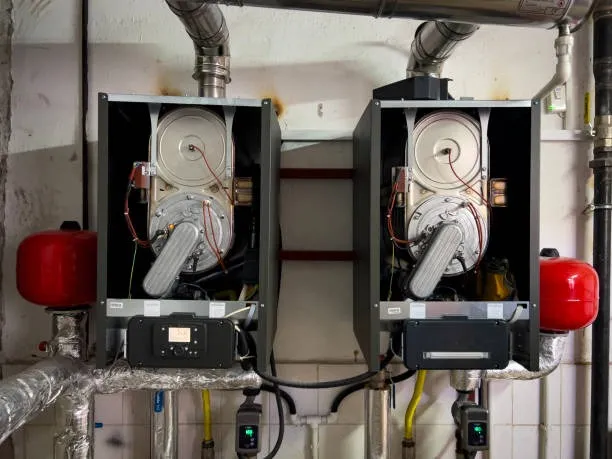
Common water heater repair issues in OSU, OH
Residents and businesses around Ohio State commonly call for repairs related to the following problems:
- No hot water or intermittent hot water
- Insufficient hot water or rapidly running out of hot water
- Water leaks from tank, valves, or connections
- Pilot light or ignition failures on gas models
- Thermostat faults or failed heating elements on electric units
- Strange noises from sediment buildup
- Low water pressure at fixtures stemming from heater problems
- Rusty or discolored water indicating corrosion or failing anode rod
Local factors that increase these issues include moderately hard central Ohio water that accelerates sediment buildup, older building plumbing with aging fittings, and high-use settings such as student housing and food service operations.
How technicians diagnose the problem
A focused diagnostic approach resolves most issues quickly while avoiding unnecessary parts replacement. Typical diagnostic steps:
- Visual inspection of the exterior, connections, and visible valves to locate leaks, corrosion, or signs of overheating.
- Confirming power and fuel supply: checking circuit breakers for electric heaters and gas supply and shutoff valves for gas units.
- Testing thermostats and heating elements with a multimeter on electric units to verify continuity and proper resistance.
- Inspecting the pilot assembly, thermocouple, and gas control valve on gas models to isolate ignition problems.
- Checking the temperature and pressure relief valve for proper seating and signs of leakage.
- Evaluating the tank interior when safe to do so or using water tests to detect sediment, anode rod condition, or corrosion.
- For tankless units, performing flow and temperature rise tests and inspecting the heat exchanger and ignition components.
Diagnostics typically include documenting findings and recommending targeted repairs or, when appropriate, replacement.
Typical repair procedures and parts replacement
Repairs focus on restoring safe, efficient operation while minimizing downtime. Common procedures include:
- Replacing heating elements or thermostats on electric water heaters to restore heat.
- Cleaning or replacing the thermocouple, pilot assembly, or gas control valve to resolve ignition failures.
- Repairing or replacing leaking inlet/outlet fittings, drain valves, or the temperature and pressure relief valve.
- Flushing the tank to remove sediment, and replacing the anode rod when corroded.
- Replacing corroded or damaged dip tubes that cause cold water to mix improperly.
- For tankless systems, cleaning or descaling the heat exchanger, replacing igniters, or servicing flow sensors and control boards.
- For commercial systems, repairing isolation valves, leak points in distribution manifolds, and control systems to restore service with minimal interruption.
Parts used are typically OEM or equivalent quality. Technicians will explain whether a repair is a short-term fix or a long-term solution given the unit age and condition.
Emergency and after-hours response
Water heaters can fail at inconvenient times and sometimes create safety hazards. Emergency response protocols usually include:
- Safety first: shutting off power or gas and isolating the water supply to prevent further damage.
- Rapid diagnostics to identify leaks, potential flooding, or gas leaks.
- Temporary measures such as draining a leaking tank, installing an isolation valve, or arranging temporary hot water solutions for commercial clients to maintain operations.
- Coordinating parts ordering and scheduling follow-up repair or replacement when immediate repair is not feasible.
In OSU, OH properties, quick emergency response reduces risk of frozen pipes in winter and prevents major disruptions in high-use facilities.
Expected timelines and service windows
- Initial on-site diagnosis: 30 to 90 minutes depending on accessibility and complexity.
- Simple repairs (thermostat, heating element, pilot relight, valve replacement): often completed the same day.
- Parts that must be ordered or specialized components for commercial systems: may require 1 to 3 business days for delivery.
- Major repairs or replacement of a tank or commercial system: scheduling and permitting may extend timelines to several days.
Technicians will typically provide a clear scope and estimated time based on the diagnostic results.
Cost factors that affect repair estimates
Repair costs vary based on several factors:
- Type of heater: tank versus tankless, gas versus electric, residential versus commercial.
- Age and condition of the unit: older units often need more extensive repairs or are better candidates for replacement.
- Part costs and availability: OEM parts for newer or less common models can increase expense.
- Labor complexity: difficult-to-access installations and commercial systems with multiple loops increase labor time.
- Local codes or permit requirements for commercial repairs or gas work.
Explaining these factors up front helps property owners make an informed decision between repair and replacement.
Maintenance tips to prevent breakdowns
Routine maintenance stretches the life of water heaters and reduces emergency repairs:
- Flush tank-style heaters annually to remove sediment, especially in OSU, OH where water hardness promotes buildup.
- Check the anode rod every 2 to 3 years and replace when heavily corroded.
- Test the temperature and pressure relief valve yearly for proper operation.
- Set thermostats to 120 F to reduce stress on the heater and prevent scalding.
- Insulate exposed hot water pipes and the tank jacket in colder months to reduce heat loss.
- For tankless systems, schedule descaling if water hardness is high, typically once a year or per manufacturer guidance.
- For commercial properties, implement regular inspections of distribution manifolds and control systems to catch failures early.
Consistent maintenance reduces operating costs and extends service life, which is especially important for properties with high turnover or heavy daily use.
Warranty and guarantee information
Understanding warranty coverage can affect repair decisions:
- Manufacturer warranties typically cover specific components for a defined period; registration and proof of maintenance may be required.
- Parts replaced during repair often carry their own manufacturer warranties that vary in length.
- Labor warranties from service providers may cover workmanship for a limited period; always request the terms in writing.
- For commercial systems, extended warranties or service agreements may be available to ensure predictable maintenance and rapid response.
Keep documentation, serial numbers, and receipts from maintenance and repairs to support any future warranty claims.
When repair is the right choice
Timely, targeted repairs restore reliable service and are often the most cost effective choice for units that are fairly new, well maintained, or experiencing a single component failure. For older units with multiple failures, visible corrosion, or repetitive breakdowns, replacement may be more economical in the long term. Diagnostics and transparent explanation of options help property owners in OSU, OH make the right decision for their homes or businesses.
Hot Deals & Cool Savings

.webp)
New Service Agreement Membership
.webp)
Any New Client Service
Next Service for Referring a New Client
New Service Agreement Membership
Any New Client Service
Next Service for Referring a New Client
.webp)
.webp)

Service Areas
