
AC Replacement in Downtown Columbus, OH
Air Conditioning Replacement in Downtown Columbus: learn when to replace, explore benefits, rebates, financing, and our streamlined installation—learn more.

Air Conditioning Replacement in Downtown Columbus, OH
Replacing an aging or failing air conditioner is a major decision for Downtown Columbus homeowners and condo managers. With hot, humid Ohio summers, an efficient and properly sized cooling system is essential for comfort, indoor air quality, and controlling energy costs.
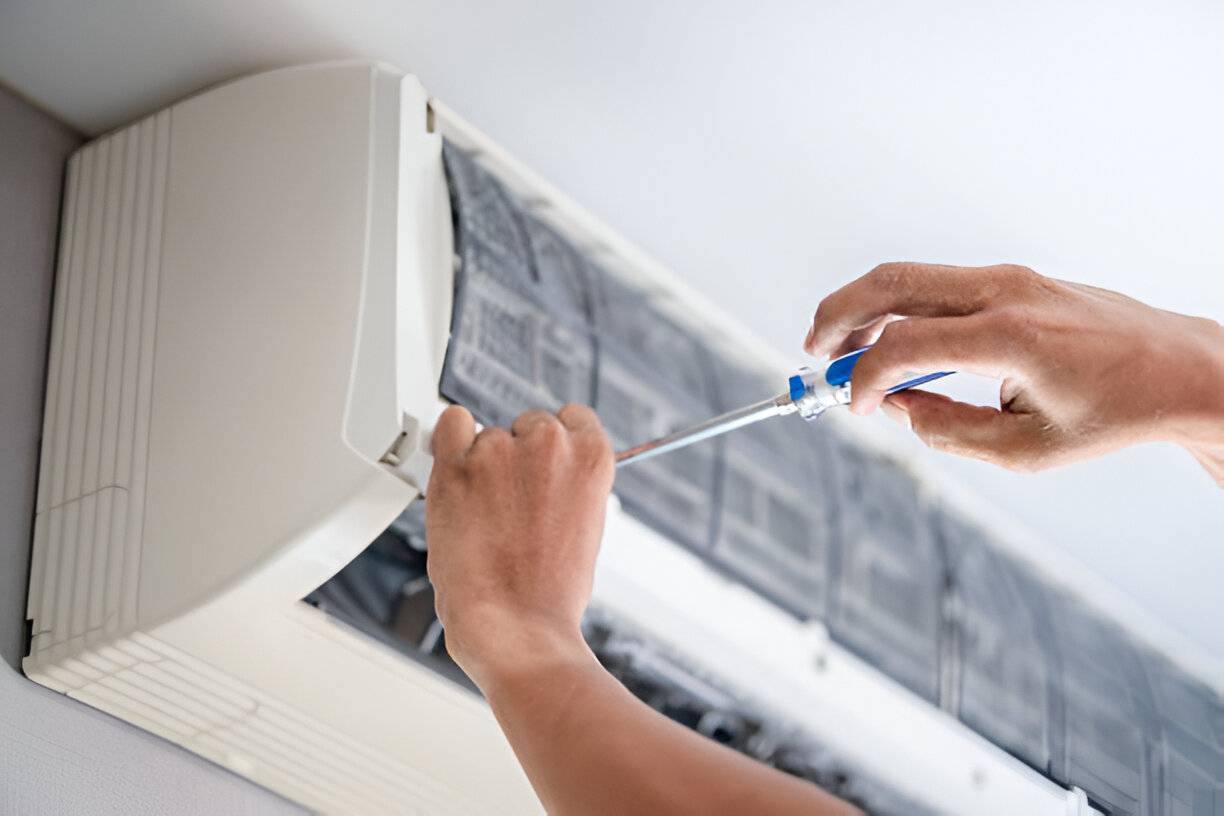
When to replace vs repair: common signs in Downtown Columbus homes
Consider replacement when one or more of the following apply:
- The unit is older than 10 to 15 years. Older systems lose efficiency and parts become hard to find.
- Frequent breakdowns or high repair costs. If a single repair approaches 30 to 50 percent of a replacement estimate, replacement is usually more economical.
- Rising electric bills despite normal use. A modern high-efficiency system can significantly lower seasonal cooling costs.
- Inconsistent cooling or poor humidity control across rooms. This often indicates undersizing, failing components, or duct issues.
- Noisy operation, leaking refrigerant, or a failed compressor. Compressor failure is one of the costliest repairs.
- Uses R22 or other phased-out refrigerants. R22 is expensive and increasingly unavailable; replacement is typically recommended.
- Your home layout or comfort goals have changed. Additions, finished basements, or a desire to lower noise and improve air quality may justify a new system.
In Downtown Columbus, the urban heat island effect and humid summers increase cooling loads. Older infill homes and historic properties often have undersized or poorly sealed ductwork, making replacement and a duct evaluation especially important.
Initial evaluation: what to expect
A thorough pre-replacement evaluation includes:
- Load calculation (Manual J) to correctly size the new system for your Downtown Columbus home, accounting for building orientation, insulation, windows, and shading from nearby buildings.
- Inspection of ductwork for leaks, insulation levels, and balancing needs.
- Electrical readiness check to ensure your panel and circuit protection support the new unit.
- Assessment of refrigerant type and recovery needs for proper disposal.
- Discussion of efficiency goals, noise preferences, indoor air quality needs, and budget.
Accurate evaluation prevents undersizing or overspending and ensures the new system performs optimally in Columbus climate conditions.
Replacement process: step by step
A typical residential air conditioning replacement follows these stages:
- Evaluation and quote
- Load calculation, system recommendations, and scope of work.
2. Equipment selection
- Choose capacity, SEER rating, compressor type (single-stage, two-stage, or variable-speed), and indoor coil/furnace compatibility.
3. Scheduling and permitting
- Obtain any required local permits or HOAs approvals; coordinate delivery and installation timing.
4. Removal of old system
- Recover refrigerant with EPA-compliant equipment, disconnect electrical and refrigerant lines, safely remove outdoor condenser and indoor coil/air handler.
5. Preparation
- Make any required modifications to the pad, platform, duct connectors, or electrical service.
6. Installation of new unit
- Mount and connect outdoor condenser and indoor coil or air handler, install new refrigerant lines if needed, connect electrical, and seal duct transitions.
7. Refrigerant charge and testing
- Evacuate and charge refrigerant to manufacturer specifications, perform airflow and thermostat calibration, check duct pressures, and test cooling performance.
8. Cleanup and disposal
- Remove old equipment for proper recycling and recovery of refrigerant.
9. Final walkthrough and documentation
- Provide operating advice, warranty paperwork, and recommended maintenance schedule.
Most straightforward replacements in single-family Downtown Columbus homes take one to two days. Complex installs, duct modifications, or historic building constraints can extend the timeline to two to three days or more.
Equipment options for Downtown Columbus properties
- High-efficiency central air conditioners and heat pumps
- Look for higher SEER ratings for better cooling efficiency and lower operating costs. Variable-speed compressors improve comfort and humidity control during humid Columbus summers.
- Ductless mini-split systems
- Ideal for historic row houses, condos, additions, or rooms without ductwork. Provide zoned comfort, high efficiency, and minimal installation intrusion.
- Air-source heat pumps
- Modern heat pumps offer both heating and cooling with high efficiency; they are a good option where you want a single system for year-round comfort.
- Indoor air quality upgrades
- Add high-efficiency air filters, UV lights, or whole-house dehumidifiers to improve comfort during hot, humid months in Columbus.
When selecting equipment, consider system size, SEER rating, refrigerant type, noise level, and compatibility with existing ducts or furnaces.
Expected efficiency gains and cost savings
Replacing a 10 to 20 year-old system with a modern high-efficiency unit can yield:
- 15 to 40 percent lower cooling energy use, depending on the age and condition of the previous system
- Better humidity control and steady indoor temperatures, improving comfort and reducing the need for supplemental cooling
- Reduced repair and emergency service costs
- Longer system life and improved resale appeal for Downtown Columbus properties
Actual savings depend on usage patterns, thermostat settings, system sizing, and the home’s insulation and duct condition.
Disposal, refrigerant recovery, and recycling
Federal and state regulations require certified refrigerant recovery. Proper disposal includes:
- Recovering and recycling or reclaiming refrigerant using EPA-compliant methods
- Recycling metal and electronic components of the old unit
- Proper disposal of insulation, wiring, and non-recyclable parts according to local codes
Certified technicians handle all refrigerant recovery and disposal steps to protect the environment and ensure compliance with Ohio regulations.
Rebates, incentives, and financing
Homeowners in Columbus may qualify for utility rebates, manufacturer incentives, or federal tax credits for high-efficiency equipment and heat pumps. Financing options are commonly available to spread installation costs over time. Eligibility varies by program and changes seasonally, so review current local utility and federal incentive information when planning a replacement.
Maintenance and long-term benefits
After replacement, an annual maintenance plan extends equipment life, preserves efficiency, and reduces unexpected repairs. Benefits of timely replacement and maintenance for Downtown Columbus properties include:
- Reliable comfort during humid summers
- Lower monthly energy bills
- Fewer emergency repairs and downtime
- Improved indoor air quality and humidity control
- Compliance with modern refrigerant and safety standards
Replacing an aging air conditioner is an investment that pays off through improved comfort, lower operating costs, and reduced environmental impact. For Downtown Columbus homes and buildings, careful evaluation, proper sizing, and choosing the right equipment type are critical to getting the best long-term results.
Hot Deals & Cool Savings

.webp)
New Service Agreement Membership
.webp)
Any New Client Service
Next Service for Referring a New Client
New Service Agreement Membership
Any New Client Service
Next Service for Referring a New Client
.webp)
.webp)

Service Areas
