
AC Replacement in Powell, OH
Air conditioning replacement in Powell, OH — assess needs, install high-efficiency systems, and explore rebates; schedule your service today.

Air Conditioning Replacement in Powell, OH
Upgrading your air conditioning is one of the most impactful steps Powell homeowners can take to improve comfort, lower energy costs, and reduce the risk of mid-summer breakdowns. With hot, humid Ohio summers and a wide mix of older and newer homes in Powell, OH, choosing the right replacement system matters.
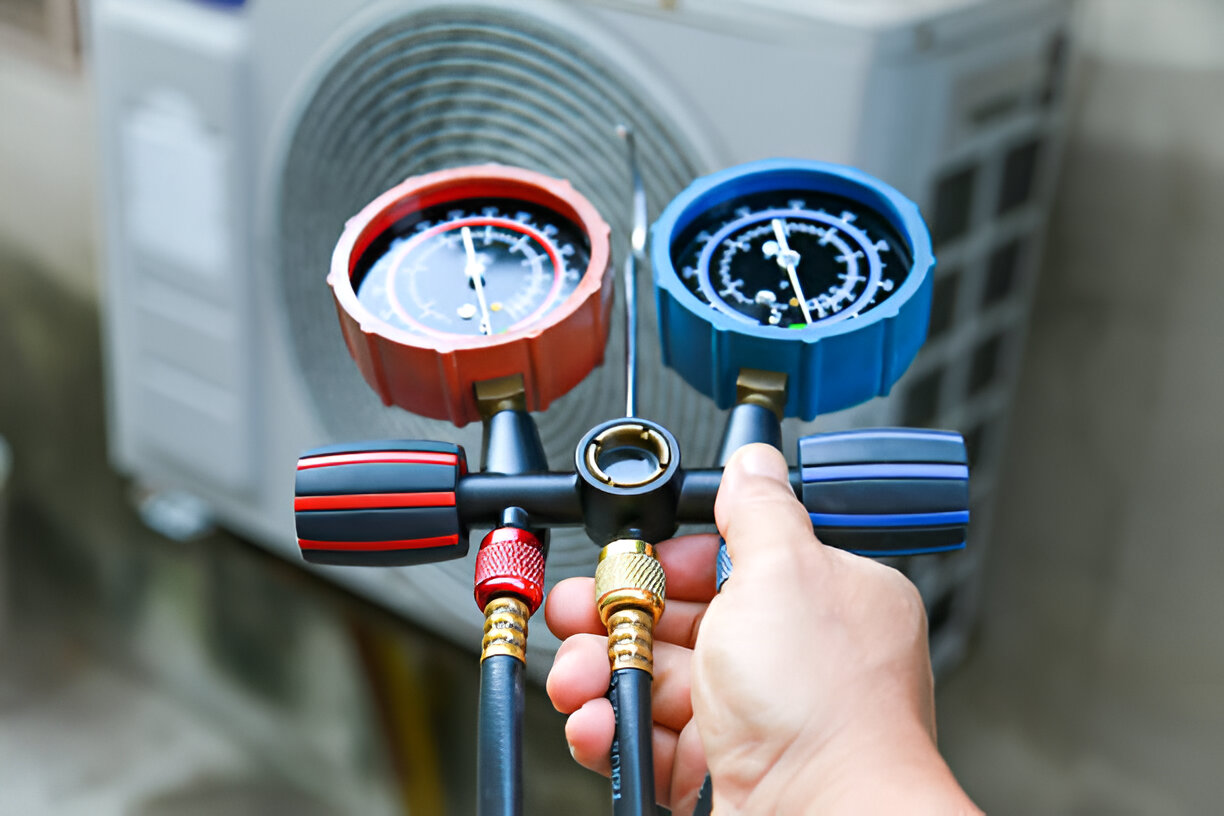
When to Replace vs Repair your AC
Knowing when to replace an air conditioner avoids repeated repair headaches and unexpected failures during peak heat.
Common indicators replacement is the better choice:
- System age is 10 to 15+ years. Older equipment is less efficient and parts become scarce.
- Frequent breakdowns or rising repair bills that approach the cost of a new system.
- Compressor failure or repeated refrigerant leaks. Major component failures often warrant replacement.
- Use of phased-out refrigerant (like R-22). Recharging old refrigerants is costly and unsustainable.
- Noticeable decline in cooling performance, uneven temperatures, or increased humidity indoors.
- Utility bills steadily rising despite regular maintenance.
- Noisy operation or failing components that compromise reliability.
If problems are isolated (a single component, thermostat issue, or clogged filter) and the system is relatively new, repair may be the more economical short-term choice. If you’re experiencing multiple symptoms above, replacement will usually deliver better comfort, reliability, and long-term savings.
Types of Replacement Options for Powell Homes
Powell’s housing stock and summers call for options that balance efficiency and humidity control.
System types to consider:
- High-efficiency central split systems (air handler inside, condensing unit outside) — available in SEER ratings from mid-teens to mid-20s.
- Heat pumps — increasingly efficient and useful in moderate winter climates; modern heat pumps also provide strong dehumidification and can replace both AC and heating in some homes.
- Variable-speed or modulating compressors — deliver more consistent temperatures, better humidity control, and quieter operation.
- Ductless mini-split systems — good for additions, finished basements, or homes without ductwork.
- Two-stage systems — balance high capacity for heat waves with lower-stage comfort and efficiency for mild days.
Replacement Process: What to Expect
A professional, code-compliant replacement follows a clear series of steps to ensure performance and safety.
Typical process:
- On-site assessment and load calculation: A qualified technician performs a Manual J load calculation to size the system for your home, evaluates ductwork, and inspects attic and insulation levels.
- System selection: Choose capacity, SEER rating, and features (two-stage, variable speed, heat pump vs. conventional).
- Permitting and scheduling: Permits may be required by local authorities; scheduling takes account of equipment lead time.
- Removal and refrigerant recovery: Existing equipment is safely disconnected and refrigerant is recovered per EPA rules.
- Installation: New outdoor condenser/heat pump and indoor coil/air handler installed, ducts sealed/adapted as needed, new electrical and refrigerant lines connected.
- Start-up and calibration: System is charged, tested, and balanced; thermostat and controls are set up.
- Homeowner walkthrough and documentation: You receive operation tips, warranty information, and maintenance recommendations.
High-Efficiency Systems & Smart Thermostats
Investing in advanced equipment and controls delivers lasting comfort and energy savings in Powell’s climate.
Efficiency and comfort upgrades:
- Higher SEER ratings: Moving from an older low-SEER unit to a SEER 16–20+ system typically reduces cooling energy use considerably. Higher SEER models perform best in prolonged hot periods.
- Variable-speed blowers and compressors: Improve temperature consistency, reduce humidity, and lower run-times.
- ENERGY STAR qualified equipment: Meets strict efficiency standards and often makes you eligible for incentives.
- Smart thermostats: Offer remote temperature control, scheduling, learning algorithms, geofencing, and energy reporting. In Powell’s variable summer schedule, smart controls can reduce wasted cooling and optimize run times for lower bills.
- Zoning systems: Improve comfort in larger or multi-level homes by directing conditioned air only where it’s needed.
Cost and Energy-Savings Comparisons
Exact costs depend on system type, home size, duct condition, and chosen features. Rather than hard prices, consider value comparisons:
- Replacing an older 10 SEER system with a modern 16–20+ SEER unit frequently yields 20–40% reduction in cooling energy use, depending on home envelope and usage habits.
- Heat pumps can offer similar or better savings while simplifying heating systems in many Powell homes.
- Higher-efficiency equipment often reaches a practical payback through energy savings plus increased home comfort and resale value, especially where cooling demand is significant during summer months.
- Factoring in expected equipment life (15+ years for modern systems), lower maintenance and fewer emergency repairs often tip the balance toward replacement for older units.
Removal, Disposal, and Environmental Compliance
Proper disposal protects the environment and follows federal and state rules.
- Refrigerant must be recovered by EPA-certified technicians before equipment is removed.
- Old units are recycled or disposed of at certified facilities; metals and refrigerant components are handled per regulations.
- Disposal documentation and warranty transfer paperwork are typically provided after the job.
Rebates, Incentives, and Financing
Many homeowners qualify for rebates or financing options that make replacement more affordable.
- Federal tax credits or local utility rebates may apply to qualifying high-efficiency equipment or heat pumps.
- Utilities and state programs in Ohio periodically offer incentives for ENERGY STAR systems, heat pumps, or home efficiency upgrades.
- Flexible financing can spread the investment over time and make higher-efficiency options accessible.
Eligibility and availability vary over time; review current programs when planning your replacement to maximize incentives.
Expected Timelines
Typical timelines for a full AC replacement in a single-family home in Powell:
- Initial assessment and estimate: 1–7 days, depending on scheduling.
- Equipment lead time: immediate stock to several weeks for special-order models (season-dependent).
- Installation: usually completed in 1–3 days for a standard replacement; complex jobs (ductwork upgrades, permitting) may take longer.
- Permit and inspection windows: add a few days to a couple of weeks depending on local jurisdiction workloads.
Benefits and Maintenance After Replacement
A properly sized, modern AC system provides:
- More reliable cooling during hot, humid Powell summers.
- Better humidity control and quieter operation.
- Lower monthly energy bills and reduced repair frequency.
- Improved indoor air quality when paired with upgraded filtration or duct sealing.
To keep performance and efficiency, maintain annual tune-ups, regular filter changes, and periodic duct inspections.
Replacing your air conditioner is a significant home improvement. For Powell, OH homes where humidity and summer heat matter, selecting the right system and ensuring professional installation preserves comfort and energy savings for years.
Hot Deals & Cool Savings

.webp)
New Service Agreement Membership
.webp)
Any New Client Service
Next Service for Referring a New Client
New Service Agreement Membership
Any New Client Service
Next Service for Referring a New Client
.webp)
.webp)

Service Areas
