
AC Tune-Up in Powell, OH
Powell, OH air conditioning tune up to improve efficiency and reliability. Schedule your tune up today for cooler, more comfortable summers.

Air Conditioning Tune Up in Powell, OH
An annual air conditioning tune up is one of the most cost-effective steps Powell homeowners can take to keep cooling systems reliable, efficient, and safe through hot, humid Ohio summers. A professional seasonal tune up targets the parts of your system that most commonly fail or lose efficiency — coils and condensers, refrigerant charge, electrical components, thermostat accuracy, and airflow — so your AC runs stronger when temperatures spike and humidity rises.
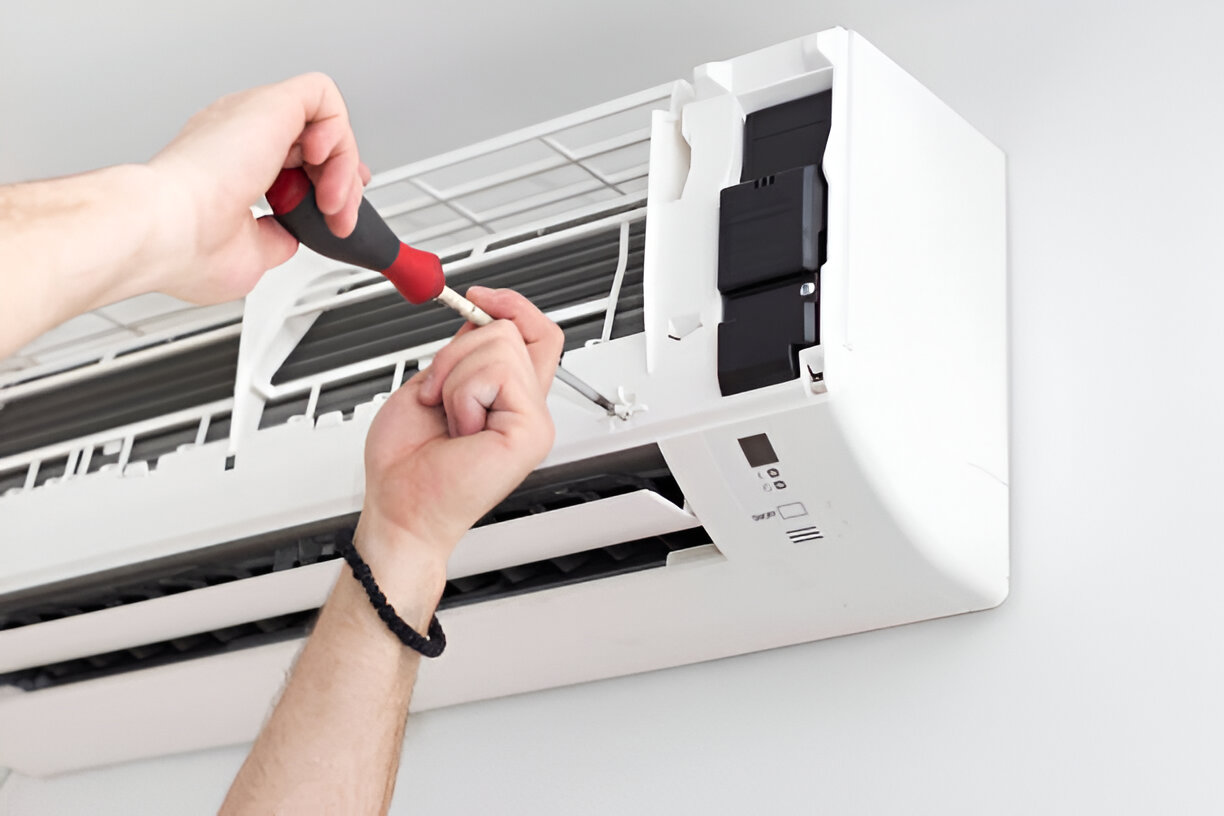
Why a Powell, OH tune up matters
Powell’s humid summers and frequent heat waves place extra strain on air conditioners. Higher humidity increases run times, while neighborhood landscaping and spring pollen contribute to clogged coils and filters. Regular tune ups reduce emergency repairs during peak season, help systems achieve rated efficiency (which lowers utility bills), and extend equipment life — especially important in Powell where many homes have a mix of older and newer HVAC equipment.
Common AC problems in Powell homes
- Reduced cooling capacity during high humidity or extreme heat
- Frozen evaporator coils from low refrigerant or poor airflow
- Short-cycling due to faulty capacitors, contactors, or thermostat issues
- High energy bills caused by dirty coils, clogged filters, or improper refrigerant levels
- Outdoor condenser damage from yard debris, mulch, or vegetation growth
- Leaking condensate drains and secondary drain pan problems during heavy use
What a comprehensive seasonal tune up includes
A professional tune up covers inspection, cleaning, testing, and small adjustments designed to restore system performance and identify parts nearing failure.
Inspection and diagnostics
- Visual evaluation of indoor and outdoor units for corrosion, leaks, and physical damage
- System performance check (temperatures, pressures, and run-time cycles)
- Thermostat calibration and operational verification
Cleaning and lubrication
- Evaporator coil cleaning to remove dust and pollen that reduce heat transfer
- Condenser coil cleaning and debris removal from around the outdoor unit to improve airflow
- Condensate drain line clearing to prevent backups and water damage
- Lubrication of motors and fan bearings where applicable
Refrigerant and airflow
- Refrigerant level check and leak assessment (recharging only if manufacturer-compliant and leak-free)
- Air filter inspection and replacement or recommendation for the correct MERV rating for your home
- Blower motor and wheel inspection to restore proper airflow
Electrical and safety checks
- Tightening and inspection of electrical connections, contactors, and capacitors
- Testing of safety switches and controls to prevent unsafe operation
- Verification of proper compressor start and run performance
Performance and efficiency testing
- Measuring temperature differential across the evaporator coil to confirm proper cooling
- Electrical readouts (amps/voltage) to detect stressed motors or failing components
- Evaluation of overall system efficiency and suggestions for improvements
What to expect during a tune up (timeframe and outcomes)
- Typical tune up time: 45 minutes to 2 hours depending on system type, age, and condition.
- Immediate outcomes: cleaner coils, restored airflow, and corrected thermostat settings that usually yield noticeably better cooling and shorter run times.
- Common on-the-spot fixes: filter replacement, tightening electrical connections, cleaning condensate drain, and minor component adjustments.
- When additional work is needed: technicians may recommend parts replacement (capacitor, contactor, fan motor), refrigerant repairs if leaks are found, or ductwork improvement to maximize performance.
Benefits of regular annual tune ups
- Improved energy efficiency and lower monthly cooling costs — typical gains range from a few percent up to 15% depending on previous maintenance level
- Fewer emergency repairs during peak heat, when response times and costs tend to be higher
- Extended equipment life through reduced wear and balanced operation
- Enhanced indoor comfort with more consistent temperatures and better humidity control
- Safer operation by identifying electrical hazards and failing components early
- Compliance with many manufacturer warranties that require documented annual maintenance
Seasonal timing and frequency
- Best scheduling window for Powell: late spring (April to early June) before sustained high temperatures arrive. This timing ensures peak-season reliability and gives time for any recommended repairs.
- Frequency: at minimum once per year for central air systems; twice per year if you have a combined heat pump (one cooling tune up and one heating tune up) or if your home has higher usage or older equipment.
How tune ups are typically scheduled and billed (what to know)
- Appointment options commonly include standalone seasonal tune ups, annual maintenance agreements that schedule service automatically, or combined home comfort visits with furnace checks.
- Expect clarity upfront about what the tune up includes, an itemized assessment of any recommended repairs, and a written report of findings and measurements.
- Many homeowners choose maintenance plans that include priority scheduling, discounts on repairs, and documented service records which are valuable for warranty and resale.
Preparing for the service and homeowner responsibilities
- Ensure safe, clear access to indoor and outdoor units and remove obstructions around the outdoor condenser.
- Make note of temperature or comfort issues you’ve noticed (hot/cold rooms, unusual noises, high bills) and share these with the technician.
- Keep thermostat programming information handy so the technician can verify settings and calibration.
Long-term maintenance tips for Powell residents
- Replace or clean filters every 1–3 months during heavy use; pollen season and pets typically require more frequent changes.
- Keep landscaping trimmed away from the outdoor unit and avoid mulch directly against the sides to maintain airflow.
- Monitor indoor humidity and consider supplemental dehumidification in very humid summers to reduce strain on the AC.
- Keep records of tune ups and repairs to maintain warranty coverage and to document system health when selling your home.
A professional seasonal tune up provides measurable improvements in comfort, efficiency, and reliability — particularly valuable in Powell where humidity and summer heat can stress systems. Regular maintenance not only prevents most common breakdowns but also helps you budget for inevitable repairs by identifying issues early and preserving the value and lifespan of your air conditioning equipment.
Hot Deals & Cool Savings

.webp)
New Service Agreement Membership
.webp)
Any New Client Service
Next Service for Referring a New Client
New Service Agreement Membership
Any New Client Service
Next Service for Referring a New Client
.webp)
.webp)

Service Areas
