
Boiler Installation in Blacklick, OH
Boiler installation in Blacklick, OH: Professional on-site assessment, precise load calculations, compliant installation, commissioning, and a thorough maintenance handover. Learn more.

Boiler Installation in Blacklick, OH
Installing a new boiler is one of the most impactful upgrades you can make for home comfort, energy efficiency, and long-term heating reliability. For homeowners in Blacklick, OH, where cold winters and fluctuating spring temperatures place consistent demand on heating systems, a professionally engineered boiler installation ensures steady warmth, lower operating costs, and compliance with local standards.
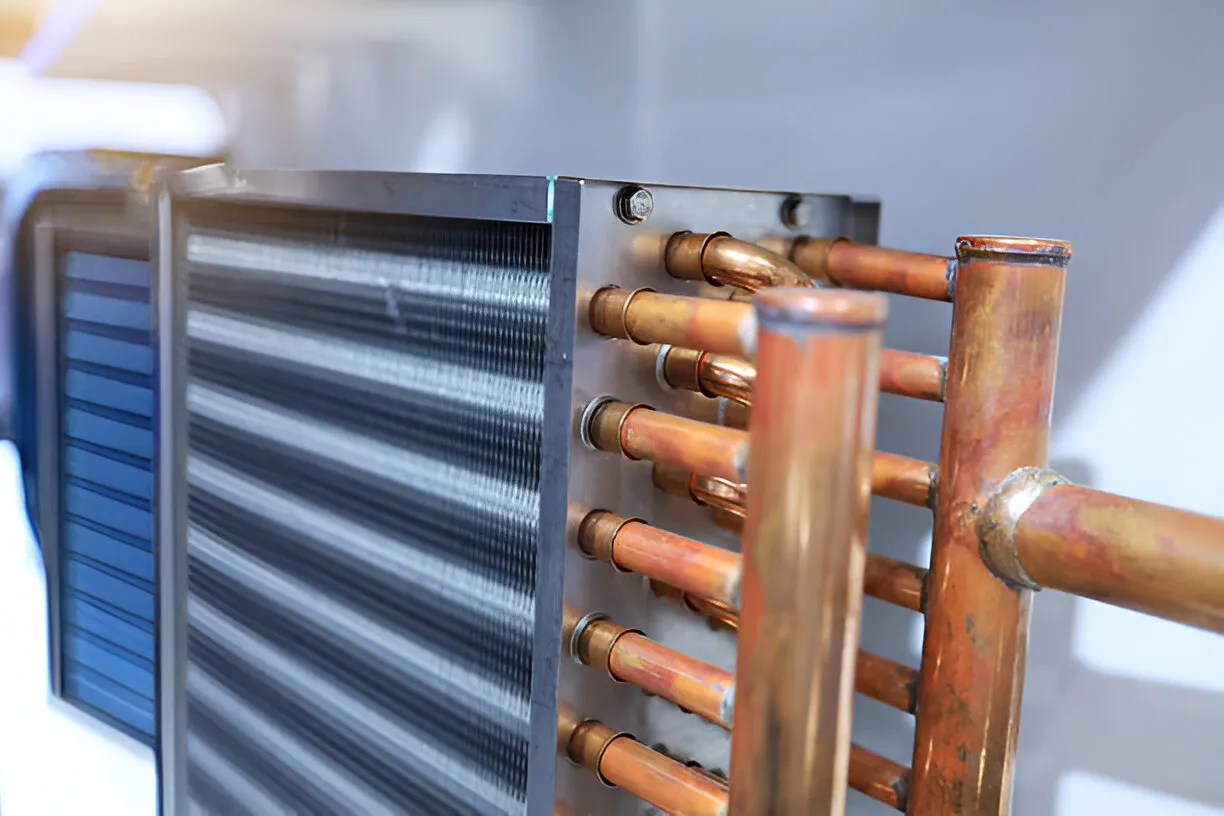
Why a proper boiler installation matters in Blacklick, OH
- Blacklick winters bring extended heating seasons and freezing temperatures that increase system stress. Proper sizing and controls reduce short-cycling and freeze risk.
- Many homes in the area have older hydronic systems. Upgrading to a modern condensing or combi boiler can improve comfort and reduce fuel use.
- Local building departments and utility providers require permits and inspections. Professional installation helps ensure compliance and avoids delays.
Common reasons Blacklick homeowners replace or install a new boiler
- Aging cast iron or low-efficiency boilers with rising repair costs
- Desire for better hot water recovery and more consistent heat
- Converting from oil or propane to natural gas where available
- Downsizing to a space-saving combi boiler in a remodeled home
- Seeking higher annual fuel utilization efficiency and lower utility bills
Types of boilers commonly selected for Blacklick, OH homes
- Condensing boilers: High-efficiency gas or propane models that recover heat from flue gases. Best for homeowners focused on efficiency and long-term savings.
- Combi boilers: Combined domestic hot water and space heating in one compact unit. Ideal for smaller homes or when eliminating a separate water heater.
- Modulating-condensing (mod-con) boilers: Advanced control of firing rate to match load, reducing cycling and improving comfort during mild Ohio winters.
- System or conventional boilers: Paired with separate water heaters, suitable for homes with large or older hydronic systems that require high storage capacity.
- Electric boilers: Option for homes without fossil fuel access; consider electric cost and available service capacity.
On-site assessment and accurate load calculations
A reliable installation starts with a thorough on-site assessment and professional heating load calculation, not a rule-of-thumb replacement. Key steps:
- Inspect the existing distribution system: radiators, baseboards, piping, controls, and expansion tank condition.
- Evaluate building envelope: insulation levels, windows, air leakage, and attic conditions that affect heat loss.
- Perform a heating load calculation (Manual J style) to determine required output in BTU per hour, avoiding oversized or undersized boilers.
- Assess fuel availability and combustion venting options: natural gas line capacity, propane tank location, or oil/electric service.
- Identify special considerations: basement clearances, condensate routing, and space for future maintenance.
Accurate load calculations are essential in Blacklick where older homes and varied additions can lead to uneven heating distribution if the boiler is not sized correctly.
Professional installation procedures
A professional installation follows a clear sequence to ensure safety, efficiency, and code compliance:
- Remove old equipment safely, including proper handling of flue and fuel connections.
- Prepare the mechanical room: level mounting, condensate drain planning, and combustion air provisions.
- Install new boiler with correct pipe sizing, proper return and supply arrangements, and required isolation valves and drain points.
- Set up required hydronic components: expansion tank, pressure relief valve, air separator, circulator pumps, and zone valves or thermostatic controls.
- Provide proper flue/chimney or direct venting for combustion products; for condensing boilers, install corrosion-resistant condensate piping to an approved drain.
- Integrate controls and thermostats, including outdoor reset or modulating controls if supplied with the equipment.
- Perform pressure testing of the closed loop and verify all safety devices and piping connections.
For Blacklick installations, special attention is given to freeze protection for exterior condensate lines and accessible maintenance in basements or utility closets common to local home designs.
Permits, inspections, and code compliance
Local permits and inspections are required to ensure installations meet Ohio state plumbing and mechanical codes as well as municipal regulations. Professional installers will:
- Pull necessary permits and schedule required inspections
- Follow manufacturer venting and clearances, and install safety devices as specified
- Ensure combustion air, vent sizing, and fuel piping meet current code
- Document installations for warranty and potential future resale needs
Failing to secure permits can result in failed inspections, voided warranties, or hazards. Proper compliance safeguards your investment and ensures safe operation.
Commissioning and performance testing
Commissioning turns a correctly installed boiler into a reliably operating system. Typical commissioning steps:
- Verify fuel pressure and combustion performance where applicable through combustion analysis
- Check water flow rates, temperature rise across the boiler, and circulator pump operation
- Test safety controls, low-water cutoffs, pressure relief valves, and expansion tank precharge
- Balance zones and program thermostats for optimal comfort and efficiency
- Record baseline operating parameters and efficiency readings for future maintenance comparison
A fully commissioned system will run smoothly through Blacklicks cold spells and operate efficiently during shoulder seasons.
Warranty, documentation, and maintenance handover
At handover you should receive:
- Manufacturer warranty paperwork and an explanation of what is covered and for how long
- Installer warranty coverage for workmanship if provided
- Operating manuals and a walk-through of daily controls and emergency shutoff procedures
- Recommended maintenance schedule including first-year tune-up, annual combustion check, and periodic system flushing
Ongoing maintenance keeps warranties valid and maintains efficiency. Key maintenance items:
- Annual inspection and tune-up before winter
- Combustion and efficiency checks for fossil fuel boilers
- Flushing and water treatment for systems prone to corrosion or sediment
- Air removal and pressure checks to avoid noisy operation and uneven heating
Typical problems new boiler installation prevents
- Short-cycling from oversized or poorly controlled boilers
- Inadequate hot water supply in multi-bath homes without a combi or proper storage
- Corrosion and premature wear from untreated system water
- Inconsistent temperatures across zones caused by improper pump sizing or controls
Final considerations for Blacklick homeowners
When planning new boiler installation in Blacklick, OH, prioritize accurate load calculations, modern condensing or modulating technology for efficiency, and a licensed installer who manages permits and commissioning. Upgrading a boiler not only improves comfort during cold Ohio winters but can reduce fuel usage and extend the lifespan of your heating system. For homes with older hydronic networks, thoughtful system matching and water treatment will prevent common issues and maximize the return on your investment.
By focusing on proper assessment, compliant installation, and documented commissioning, your new boiler will deliver safe, efficient heat tailored to the needs of Blacklick homes and climate.
Hot Deals & Cool Savings

.webp)
New Service Agreement Membership
.webp)
Any New Client Service
Next Service for Referring a New Client
New Service Agreement Membership
Any New Client Service
Next Service for Referring a New Client
.webp)
.webp)

Service Areas
