
Boiler Maintenance in Blacklick, OH
Boiler maintenance in Blacklick, OH keeps systems reliable and lowers energy costs while preventing breakdowns. Schedule a tune-up today.

Boiler Maintenance in Blacklick, OH
Keeping your boiler running reliably through Blacklick winters requires more than occasional repairs. Regular, professional boiler maintenance in Blacklick, OH protects comfort, reduces energy costs, and prevents breakdowns during cold snaps.
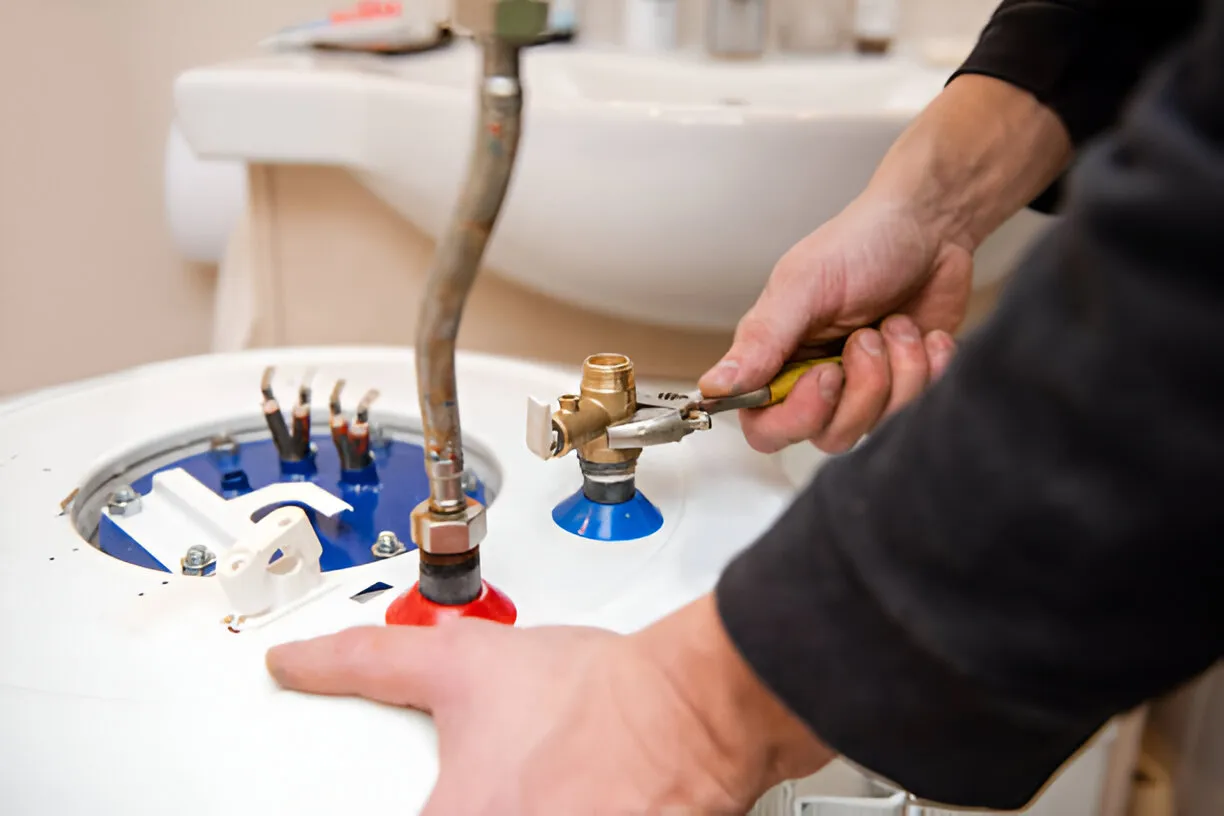
Why routine boiler maintenance matters in Blacklick, OH
Blacklick experiences cold, snowy winters and frequent temperature swings in spring and fall. Those conditions increase heating system run time and stress components such as pumps, controls, and heat exchangers. Mineral-rich water in parts of central Ohio can accelerate scale buildup inside boilers and distribution piping. Preventive maintenance addresses these regional challenges by keeping burners tuned, removing deposits, checking safety controls, and confirming freeze protection to avoid emergency failures when you need heat most.
Common boiler maintenance issues in Blacklick, OH
- Scale and mineral buildup on heat exchangers and in system piping, reducing efficiency
- Burner inefficiency or soot formation that increases fuel use and soot-related corrosion
- Malfunctioning controls or sensors that cause short cycling or poor temperature control
- Leaks at valves, fittings, or tanks caused by freeze-thaw cycles and age
- Circulator or pump wear leading to noisy operation or poor heat distribution
- Vents or chimneys blocked by nests, debris, or condensation issues affecting combustion
Routine inspection checklist
A thorough seasonal inspection follows a consistent checklist to catch problems early. Typical items included in a professional boiler maintenance visit are:
- Burner inspection
- Visual check of burner assembly and ignition components
- Combustion performance assessment and adjustments for proper flame pattern
- Heat exchanger inspection
- Check for signs of corrosion, cracking, or soot
- Assess scale or mineral deposits that reduce heat transfer
- Controls and safety devices
- Test thermostats, pressure and temperature controls, low-water cutoffs, and safety relief valves
- Verify proper sequencing and sensor operation
- Vents and flues
- Inspect venting for blockages, corrosion, cracks, and proper draft
- Confirm clearances and termination points are unobstructed
- System water and pressure
- Check system pressure, expansion tank condition, and boiler water quality
- Look for signs of leaks or water damage around the boiler and piping
- Circulator pump and valves
- Inspect pump operation, bearings, and motor
- Check zone valves and isolation valves for proper function
- Combustion analysis (when applicable)
- Measure CO2, oxygen, and carbon monoxide levels to confirm efficient and safe combustion
- Adjust fuel/air mixture as needed
Cleaning and lubrication tasks
Regular cleaning and lubrication prevent premature wear and maintain efficiency:
- Remove soot and deposits from burner and heat exchanger surfaces
- Clean flame sensors, electrodes, and ignition components
- Flush or clean condensate traps and drain lines on condensing boilers
- Lubricate circulator bearings and motor components where serviceable
- Clean air intakes and combustion chambers
- Remove debris from vent terminations and chimney liners
Safety and efficiency adjustments
Maintenance visits include adjustments that improve safety and lower operating costs:
- Fine-tune burner settings for optimal fuel-to-air ratio and reduced fuel consumption
- Calibrate thermostat and control setpoints to eliminate short cycling
- Adjust system pressure and expansion tank charge to maintain stable operation
- Test and set safety cutoffs and interlocks to ensure reliable shutdown on faults
- Inspect insulation on pipes and boilers and recommend additional insulation where heat loss is excessive
- Verify and improve boiler sequencing for multi-boiler installations to balance efficiency and longevity
Recommended service frequency
- Annual comprehensive inspection and tune-up: recommended for most boilers to prepare for the heating season. This should include combustion testing, full safety checks, and cleaning as needed.
- Semi-annual or quarterly checks: considered for older systems, high-use properties, or commercial installations with heavier load and reliability demands.
- Mid-season quick-check: a brief review during peak winter months can catch developing issues before they escalate.
Regular maintenance is also commonly required to keep manufacturer warranties valid, so follow the boiler manufacturer's schedule.
What maintenance agreements typically include
Maintenance agreements provide predictable coverage and documented care without the need for last-minute searches during a breakdown. Typical features include:
- Scheduled seasonal inspections and tune-ups with a documented checklist
- Priority service scheduling during peak cold periods
- Discounted labor rates or parts pricing for agreed-upon repairs
- Emergency response provisions and after-hours availability in some plans
- Detailed service records that help with warranty claims and resale value
- Options for multiple visits per year for high-demand systems
- Preventive parts replacement schedules for items like filters, belts, or batteries
Agreements vary by provider, but their main value is consistent, documented maintenance that reduces the chance of unexpected failures.
Benefits of preventive boiler maintenance
- Longer equipment life: routine cleaning and adjustments reduce wear and premature component failure
- Fewer costly breakdowns: early detection of leaks, corrosion, and worn parts prevents emergency replacements
- Lower energy bills: tuned burners and clean heat exchangers operate more efficiently
- Safer operation: properly tested safety controls and combustion checks reduce the risk of dangerous conditions
- Consistent comfort: balanced systems and functioning pumps maintain even heat distribution throughout your home
- Warranty protection: documented maintenance helps preserve manufacturer warranty coverage
Homeowner maintenance tips for Blacklick homes
- Keep the boiler room clear of storage and combustible materials
- Check visible pipes and valves for signs of leakage or corrosion monthly
- Monitor system pressure and report persistent drops or spikes
- Bleed radiators or zones if you notice uneven heating or gurgling sounds
- Ensure outdoor vent terminations are free of snow, ice, and debris during winter
- Insulate exposed piping in unheated spaces to reduce freeze risk
Regular professional maintenance combined with simple homeowner checks will keep your boiler reliable, efficient, and safe through Blacklick, OH winters. Preventive care minimizes disruptions, protects your investment, and keeps your home comfortable when temperatures drop.
Hot Deals & Cool Savings

.webp)
New Service Agreement Membership
.webp)
Any New Client Service
Next Service for Referring a New Client
New Service Agreement Membership
Any New Client Service
Next Service for Referring a New Client
.webp)
.webp)

Service Areas
