
Boiler Installation in Linden, OH
Boiler installation in Linden, OH delivers efficient, reliable heat. Learn about assessment, model selection, and professional setup—schedule your installation today.

Boiler Installation in Linden, OH
Replacing or installing a boiler is one of the most impactful upgrades you can make for year round comfort, reliability, and energy efficiency in Linden, OH homes. With cold Ohio winters and humidity swings through the year, a properly sized, code-compliant boiler reduces fuel waste, eliminates cold spots, and protects your plumbing and structure from freeze-related damage.
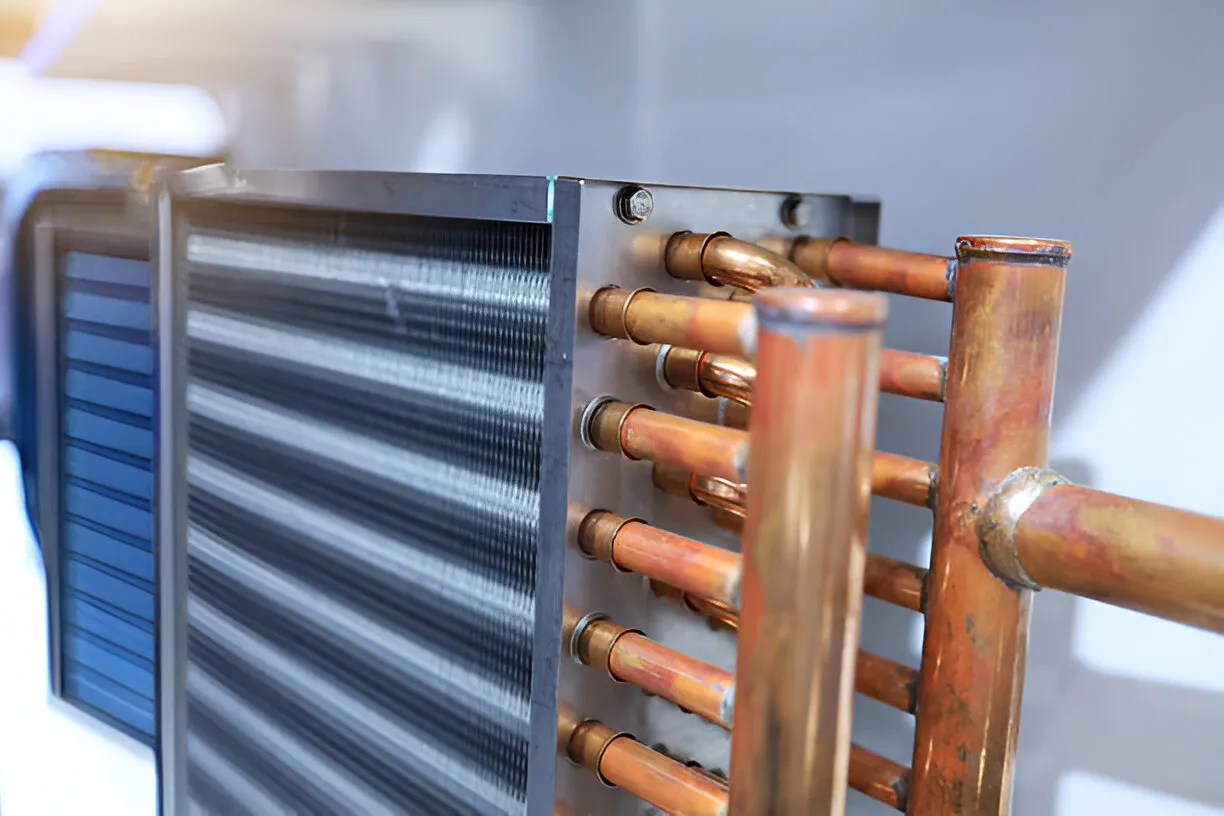
Common boiler installation types and local considerations
- New construction boilers for homes being built or major remodels.
- Boiler replacement and retrofit for older systems with modern, high-efficiency condensing or combi models.
- Fuel type conversions or new fuel hookups (natural gas where available, propane in rural areas, oil or electric alternatives).
- Hydronic heating upgrades: converting baseboard or radiators, adding zoning, or integrating domestic hot water.
In Linden, OH, seasonal temperature swings and occasional prolonged cold stretches make high-efficiency condensing boilers attractive because they recover more heat from flue gases. Availability of natural gas versus propane, existing chimney conditions, and space constraints in basements or utility closets also influence model choice.
Initial site assessment and load calculations
A thorough installation begins with a site assessment and properly sized load calculation rather than guessing on equipment size. Key steps include:
- Inspecting the existing boiler, fuel supply, venting, and mechanical room layout.
- Measuring square footage, ceiling heights, insulation levels, window types, and occupancy to calculate heat loss.
- Reviewing domestic hot water needs if installing a combi or indirect water heater.
- Checking access for equipment delivery, clearances for code compliance, and any structural or framing constraints.
Accurate load calculations prevent oversizing, which leads to short cycling and inefficiency, and undersizing that leaves the home underheated during peak cold.
Selecting efficient models and fuel types
Model selection balances efficiency, reliability, and the specific needs of Linden households. Considerations include:
- Condensing boilers: High AFUE ratings, best for homes with lower return-water temperatures.
- Combi boilers: Combine space heating and domestic hot water in a compact unit, good for smaller homes.
- Cast-iron or non-condensing boilers: Durable for some retrofits, but less efficient than modern condensing units.
- Fuel choice: Natural gas typically offers lower fuel cost where service is available. Propane or oil may be necessary in off-grid areas. Electric boilers work in specific situations but can be costlier to operate.
A technician will recommend models based on calculated load, existing distribution system, and long-term efficiency goals, explaining warranty terms and expected lifecycle.
Step-by-step installation procedure
A professional installation follows a documented sequence to ensure safety and performance:
- Site preparation: Protect floors, remove the old unit if present, and stage tools and materials.
- Rough-in piping and fuel connections: Install new supply and return piping, isolation valves, and proper supports. Materials are selected for durability and compatibility with boiler temperatures.
- Venting and combustion air: Replace or upgrade flues, stainless liners, or mechanical vents to meet clearances and prevent backdrafting. Ensure adequate combustion air per local code.
- Electrical and controls: Install required power, grounding, and integrate thermostats, zone valves, or smart controls.
- Mounting and final connections: Secure the boiler, connect pumps, expansion tanks, pressure relief valves, and condensate drains where applicable.
- System fill, purge, and pressure testing: Remove air from the hydronic loop and verify leak-free operation.
Installers coordinate any required structural or drywall repairs after equipment placement to leave the mechanical area clean and code-compliant.
Venting, piping, and code compliance
Proper venting and piping are critical for safety and longevity. Installers follow local municipal and state mechanical and fuel gas codes when:
- Sizing vents and selecting chimney liners or sidewall termination for sealed combustion units.
- Verifying clearances to combustibles and appliance placement.
- Installing backflow preventers, drain terminations, condensate neutralizers for high-efficiency units, and corrosion-resistant materials where needed.
Permits and inspections are typically required. The installer will pull the appropriate permits, schedule inspections with Linden or county building departments, and adjust work to meet any inspection findings.
Post-installation testing, commissioning, and handoff
A thorough commissioning process ensures the system operates as designed:
- Combustion analysis and efficiency verification for gas or oil-fired units.
- System balancing, zone check, and thermostat calibration.
- Leak checks and pressure integrity testing of the hydronic loop.
- Safety control testing: pressure relief, low-water cutoff, and electrical protections.
- Documentation: equipment manuals, warranty registration, and maintenance schedules are provided to the homeowner.
Technicians will walk through operation basics, show how to read controls, and explain routine checks to keep the system running reliably throughout Linden winters.
Typical project timeline
Project length varies with scope and permitting, but common timelines are:
- Initial site assessment and load calculation: typically completed within a few days of the request.
- Permit approval: may range from a few days to a couple of weeks depending on the local permitting office workload.
- Installation and commissioning: most residential replacements are completed in one to three days; more complex retrofits or system conversions can take longer.
- Final inspection scheduling: often follows shortly after commissioning and may add a few days to close out the project.
These timelines reflect typical residential projects; unique site challenges or supply delays can influence schedules.
Warranty, maintenance handoff, and long-term value
New boilers come with manufacturer warranties and recommended maintenance plans. A professional handoff includes registering warranties, explaining routine annual maintenance (combustion tune, filter or strainer cleaning, check expansion tank and pressure), and providing a maintenance checklist. Regular service extends boiler life, preserves efficiency, and reduces unexpected breakdowns during the coldest months in Linden.
Common issues addressed during installation and maintenance
- Poor combustion or venting issues from old chimneys.
- Corrosion and leaks in aging piping or radiators.
- Undersized boilers causing uneven heating.
- Short cycling due to incorrect sizing or controls.
- Inadequate insulation or lack of zoning leading to high operating costs.
Addressing these during installation prevents recurring problems and improves comfort and efficiency.
Installing a properly sized, code-compliant boiler tailored to Linden, OH conditions delivers reliable heat, better fuel efficiency, and predictable performance through cold weather. Thoughtful equipment selection, meticulous installation, and scheduled maintenance are the foundation of a durable hydronic heating system that meets the needs of your home.
Hot Deals & Cool Savings

.webp)
New Service Agreement Membership
.webp)
Any New Client Service
Next Service for Referring a New Client
New Service Agreement Membership
Any New Client Service
Next Service for Referring a New Client
.webp)
.webp)

Service Areas
