
Boiler Installation in OSU, OH
Boiler installation in OSU, OH with expert sizing, venting, and commissioning. Learn more about our tailored process and reliable warmth.

Boiler Installation in OSU, OH
Installing a new boiler in your OSU, OH home is a major decision that affects comfort, energy bills, and long-term reliability. With cold Ohio winters and a mix of historic and modern housing around the OSU area, a properly sized, code-compliant boiler installation protects your comfort and prevents costly repairs.
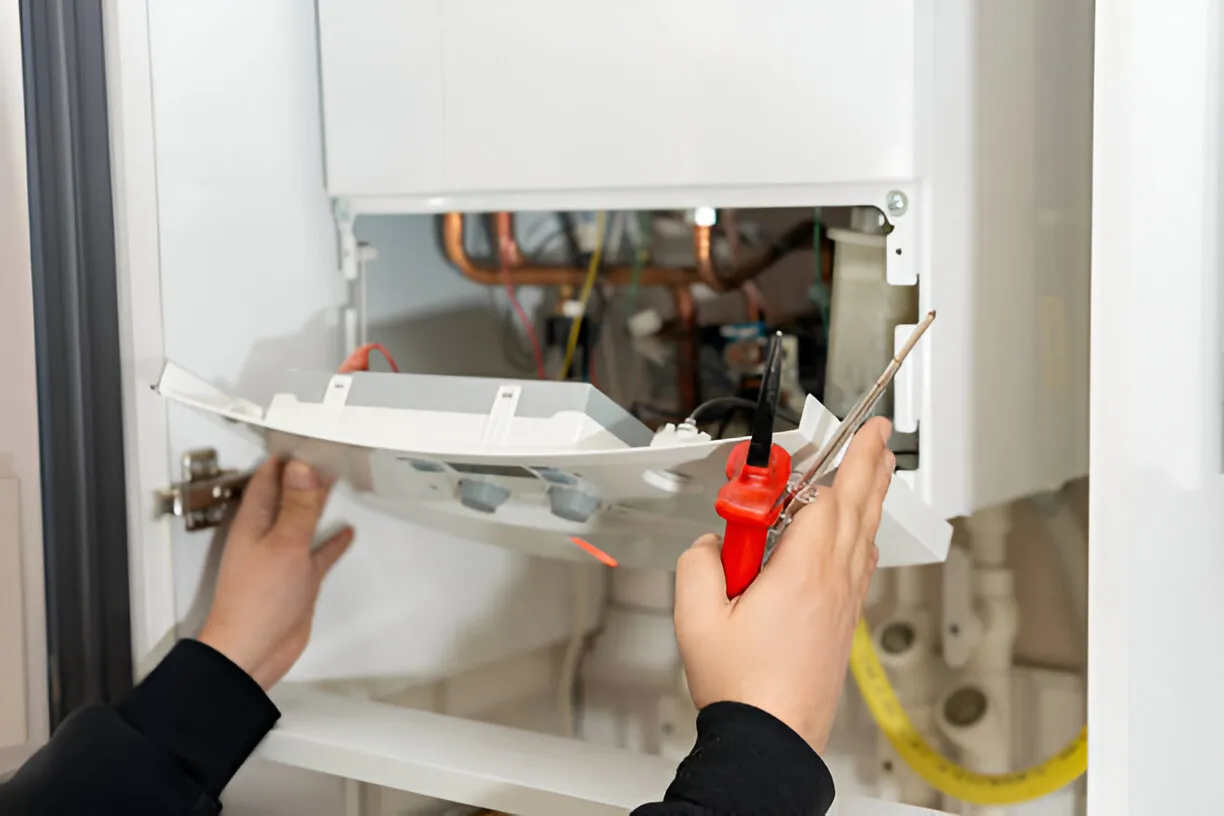
Why a tailored boiler installation matters in OSU, OH
- Winters in central Ohio bring extended below-freezing temperatures. An efficient, correctly sized boiler maintains stable indoor temperatures and avoids short cycling in cold snaps.
- Many OSU-area homes are older or have mixed heating systems. Site constraints—tight basements, existing chimneys, or shared utility lines in multi-family homes—change installation choices.
- Local utility infrastructure and municipal codes influence fuel options (natural gas, propane, oil) and venting methods. Planning for condensate disposal and freeze protection is essential in this climate.
Common new boiler installation types and issues in OSU homes
- High-efficiency condensing boilers (natural gas or propane): Very high AFUE when installed correctly; require PVC or stainless venting and condensate handling.
- Traditional non-condensing boilers: Useful where converting existing chimney venting is preferred; lower efficiency.
- Combi boilers: Provide space heating and domestic hot water in one compact unit—good for smaller homes or apartments near campus where space is limited.
- Steam vs. hot-water (hydronic) systems: Steam systems are common in older homes and need specialized expertise for proper conversion or replacement.Common issues encountered during installation:
- Oversized boilers leading to short cycling and increased wear
- Incompatible venting or improperly lined chimneys
- Insufficient condensate drainage or neutralization for high-efficiency units
- Inadequate clearances in basements and mechanical rooms
Site assessment, load calculations, and system sizing
A reliable installation begins with a thorough on-site assessment:
- Inspect existing heating distribution (radiators, baseboard, in-floor piping), fuel source, vent/chimney condition, mechanical room clearances, and electrical supply.
- Perform a heat loss calculation for the home (room-by-room heat loss / BTU/hr). This determines the required boiler output and avoids the common mistake of oversizing.
- Consider peak winter conditions in OSU, insulation levels, window performance, and intended thermostat settings to determine capacity and zoning needs.
- Account for domestic hot water demand if choosing a combi boiler or indirect hot water tank.
Product selection guidance: efficiency and capacity
- Efficiency ratings: Look for AFUE ratings and condensing technology for best fuel savings in OSU’s heating season. Higher efficiency generally pays back faster with long winters.
- Right-sizing: A boiler closely matched to calculated heat load reduces cycling, improves comfort, and extends component life.
- Fuel source: Confirm natural gas availability and local utility requirements. Propane or oil systems may be necessary in some properties.
- Controls and zoning: Modern outdoor reset controls, smart thermostats, and multiple heating zones improve comfort and can reduce fuel use in variable-occupancy homes near campus.
- Space constraints: Combi units or wall-mounted condensing boilers are often better for tight mechanical rooms in older OSU-area properties.
Installation process and typical timelines
Typical stages and realistic timelines for OSU, OH installations:
- Pre-installation assessment and ordering equipment: 1–7 days depending on product availability.
- Inspection and permitting (see next section): concurrent with ordering in many cases.
- Removal of old equipment and site prep: half-day to a full day for straightforward swaps.
- Rough-in piping, venting modifications, and gas/fuel connections: 1–2 days.
- Final plumbing, electrical hookups, controls integration, and system fill: 0.5–1 day.
- Commissioning, testing, and final inspection: 0.5–1 day.Total: Most standard residential replacements are completed in 1–3 days on-site; complex projects (chimney relining, system conversions, adding indirect tanks or new zones) can take 3–5+ days.
Venting, piping, and condensate considerations
- Venting: High-efficiency units use PVC or stainless coaxial venting; existing chimneys may require relining for non-condensing units. Confirm roof or sidewall vent routes based on property constraints.
- Piping: Properly sized supply and return piping, zone valves or circulators, and air elimination are crucial for efficient flow and even heat distribution.
- Condensate: Condensing boilers produce acidic condensate that must be neutralized or disposed of per local sewer rules. In OSU, seasonal freeze protection and proper routing prevent blockages.
- Clearances and access: Maintain manufacturer-recommended clearances for service access and safety.
Permits, inspections, and code compliance
- Installations must comply with Ohio building and mechanical codes and local OSU/Columbus jurisdiction rules. Required permits commonly include mechanical, plumbing, and gas permits.
- Coordination with local inspectors ensures venting, combustion air, gas connections, and safety devices meet code.
- Utilities may require notification or inspection for gas line changes. Keep documentation of permits and inspection approvals for future home transactions.
Post-installation testing and commissioning
Thorough testing protects performance and safety:
- Verify combustion efficiency and proper gas pressures where applicable.
- Conduct CO and flue-gas checks to confirm safe venting.
- Pressure test hydronic loops and check for leaks.
- Balance system flow, purge air, and set boiler controls and thermostats.
- Demonstrate system operation and maintenance basics for homeowners.Proper commissioning maximizes efficiency, reliability, and manufacturer warranty coverage.
Warranty coverage and service options
- Understand manufacturer warranties for heat exchangers, parts, and controls. Warranty length varies by model and manufacturer.
- Labor warranties from the installer protect against installation-related issues for a limited period; verify scope and duration.
- Regular service (annual tune-ups, burner cleanings, system checks) preserves efficiency, reduces breakdown risk during cold months, and may be required to keep warranties valid.
- Consider water treatment for hard water areas and scheduled inspections of venting and condensate lines, especially before winter.
Maintenance tips and long-term benefits
- Annual inspection before the heating season identifies worn components and keeps systems running at peak efficiency.
- Bleed radiators or purge air from zones after major work to maintain even heating.
- Maintain clearances and protect exterior vent terminations from ice buildup.
- A correctly sized, well-installed boiler lowers fuel costs, increases comfort during Ohio winters, and extends equipment life—important in OSU neighborhoods where reliability matters during peak academic and winter months.
A professional, code-compliant boiler installation in OSU, OH begins with a careful site assessment and accurate heat-loss calculation, followed by an installation sequence that addresses venting, condensate, and zoning. When designed and commissioned correctly, a new boiler delivers dependable warmth, improved efficiency, and long-term peace of mind for homeowners in the OSU area.
Hot Deals & Cool Savings

.webp)
New Service Agreement Membership
.webp)
Any New Client Service
Next Service for Referring a New Client
New Service Agreement Membership
Any New Client Service
Next Service for Referring a New Client
.webp)
.webp)

Service Areas
