
Boiler Service in OSU, OH
Boiler service in OSU, OH ensures safe, efficient heat with expert inspection and maintenance. Schedule now for reliable winter comfort.

Boiler Service in OSU, OH
Keeping your boiler operating safely and efficiently is essential for comfort and safety in OSU, OH homes and properties. Winters in this region can be long and cold, and campus-area buildings and older residential systems often face increased wear from frequent seasonal cycling. Professional boiler service—inspection, diagnostics, repairs, maintenance, parts replacement, and safety testing—protects your investment, reduces emergency risks, and ensures reliable heat when you need it most.
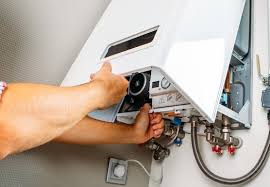
Common boiler service issues in OSU, OH
Residents and property managers in OSU, OH commonly encounter the following boiler problems:
- No heat or uneven heating: Blocked lines, failed circulator pumps, or issues with zone controls can cause cold spots or total loss of heat.
- Frequent short cycling: A boiler that turns on and off rapidly often indicates incorrect settings, oversized circulators, or a failing thermostat.
- Low pressure or pressure loss: Leaks in the system, faulty expansion tanks, or pressure relief valves that need attention lead to performance loss.
- Leaks and corrosion: Older systems, freeze-thaw cycles, and sediment can cause pipe or tank corrosion and visible leaks.
- Pilot or ignition failure: Faulty ignitors, thermocouples, or control modules prevent burners from lighting reliably.
- Noisy operation: Kettling, banging, or gurgling noises often point to scale buildup, air in the system, or failing pumps.
- Carbon monoxide risk or poor combustion: Incomplete combustion or blocked flues can produce unsafe exhaust gases and require immediate safety testing.
- Scale and sediment buildup: Local water quality and infrequent maintenance lead to reduced efficiency and potential overheating.
Inspection and diagnostic process
A thorough boiler inspection and diagnostic sequence identifies root causes and documents conditions clearly:
- Visual and safety check: Inspect exterior piping, valves, vents, and combustion chamber for leaks, corrosion, or visible damage.
- Controls and electrical: Test thermostats, control boards, safety interlocks, and wiring for proper operation.
- Combustion analysis: Measure flue gases, oxygen levels, and carbon monoxide to verify safe and efficient combustion.
- Pressure and temperature checks: Verify system pressure, expansion tank function, and temperature differentials across the system.
- Circulator and pump testing: Evaluate pump operation, flow rates, and zone valve functionality to diagnose heat distribution issues.
- Leak detection and water quality: Locate leaks, check for sediment or scale, and recommend water treatment if necessary.
- Detailed report: Provide documented findings, prioritized repair recommendations, estimated parts and labor needs, and safety observations.
Repairs, parts replacement, and maintenance explained
Repairs and replacements address diagnosed failures and restore reliable operation:
- Burner and ignition repairs: Replace ignitors, electrodes, or gas valves to restore reliable startup.
- Pump and circulator replacement: Upgrade failing pumps to reduce noise and improve flow.
- Valve and zone service: Repair or replace leaking valves, zone valves, and thermostatic controls for balanced heating.
- Expansion tanks and pressure relief valves: Replace failed components to stabilize system pressure and prevent damage.
- Heat exchanger and flue repairs: Address cracks, corrosion, or flue blockages that impact safety and efficiency.
- Parts replacement: Use industry standard replacement parts and document compatibility, warranties, and expected life spans.
- Preventive maintenance: Clean burners, flush sediment, test safety devices, lubricate moving parts, and adjust combustion for peak efficiency.
Regular maintenance reduces long term costs by preventing scale buildup, improving combustion efficiency, and minimizing the risk of unexpected failure during OSU, OHs colder months.
Emergency boiler service and availability
Boiler emergencies can include loss of heat in freezing conditions, significant water leaks, or suspected carbon monoxide exposure. Emergency service procedures typically include:
- Rapid response for emergency calls, including after-hours availability for hazardous conditions.
- Initial safety triage to advise on immediate shutdown or ventilation if carbon monoxide is suspected.
- Temporary measures such as isolating leaks, providing safe shutdown, and stabilizing pressure until permanent repairs are completed.
- Priority diagnostics and expedited parts sourcing when safety or severe heating loss is involved.
Service request and scheduling procedures
A typical service request and scheduling workflow includes:
- Preparing basic information: boiler make, model, age, symptoms, and recent service history.
- Request intake via phone or online form, with options for standard or emergency scheduling.
- Pre-service confirmation with arrival window, technician identification, and a checklist of what to expect during the visit.
- On-site arrival, inspection, and a clear written estimate before performing non-emergency repairs.
- Transparent documentation of any replaced parts, warranties, and recommended next steps.
This structure ensures predictable visits and clear expectations for homeowners and property managers across OSU, OH.
Service guarantees, compliance, and safety testing
Professional boiler service includes assurances and quality measures:
- Parts and labor warranties: Covered replacement components and workmanship guarantees for a defined period.
- Safety certification: Verification that combustion, venting, and carbon monoxide levels meet safety standards and local codes.
- Code and permit advisory: Guidance on compliance with local regulations and when permits or municipal inspections are required.
- Post-service follow up: Scheduled checks or phone follow up to confirm system performance after repairs.
These guarantees help protect you financially and ensure safe operation in residential and multi-unit properties near OSU, OH.
Typical deliverables after a service visit
After a professional boiler service, expect a standardized set of deliverables:
- Written inspection report summarizing findings and safety status.
- Itemized repair recommendations and parts list with warranty information.
- Safety test results, including combustion readings and carbon monoxide measurements.
- Maintenance checklist and next service interval recommendation.
- Documentation of work completed and any parts installed.
Benefits of regular boiler service in OSU, OH and practical maintenance tips
Regular professional service delivers measurable benefits:
- Improved energy efficiency and lower fuel costs through optimized combustion.
- Extended equipment life and delayed capital replacement by preventing major failures.
- Reduced risk of dangerous conditions such as carbon monoxide leaks or flooding from failed components.
- Consistent comfort and reliable heat during OSU, OH winters.
Practical homeowner tips:
- Schedule a full inspection and tune up before the heating season starts.
- Keep vents and flues clear of debris or snow accumulation.
- Install and maintain a carbon monoxide detector on every occupied floor.
- Bleed radiators and monitor system pressure monthly during winter.
- Keep a maintenance log with dates and details of all service visits.
Reliable, professional boiler service protects safety, comfort, and budgets. Thorough inspections, clear diagnostics, qualified repairs, and documented safety testing are the foundation of dependable heating for homes and buildings in OSU, OH.
Hot Deals & Cool Savings

.webp)
New Service Agreement Membership
.webp)
Any New Client Service
Next Service for Referring a New Client
New Service Agreement Membership
Any New Client Service
Next Service for Referring a New Client
.webp)
.webp)

Service Areas
