
Boiler Installation in Reynoldsburg, OH
Boiler installation in Reynoldsburg, OH delivers efficient heat and comfort. Learn more about expert site assessment, precise installation, and reliable warranties today.

Boiler Installation in Reynoldsburg, OH
Installing a new boiler is one of the most impactful home upgrades for comfort, efficiency, and long-term energy costs in Reynoldsburg, OH. With cold Ohio winters and older housing stock in many neighborhoods, choosing the right boiler and a precise installation process matters.
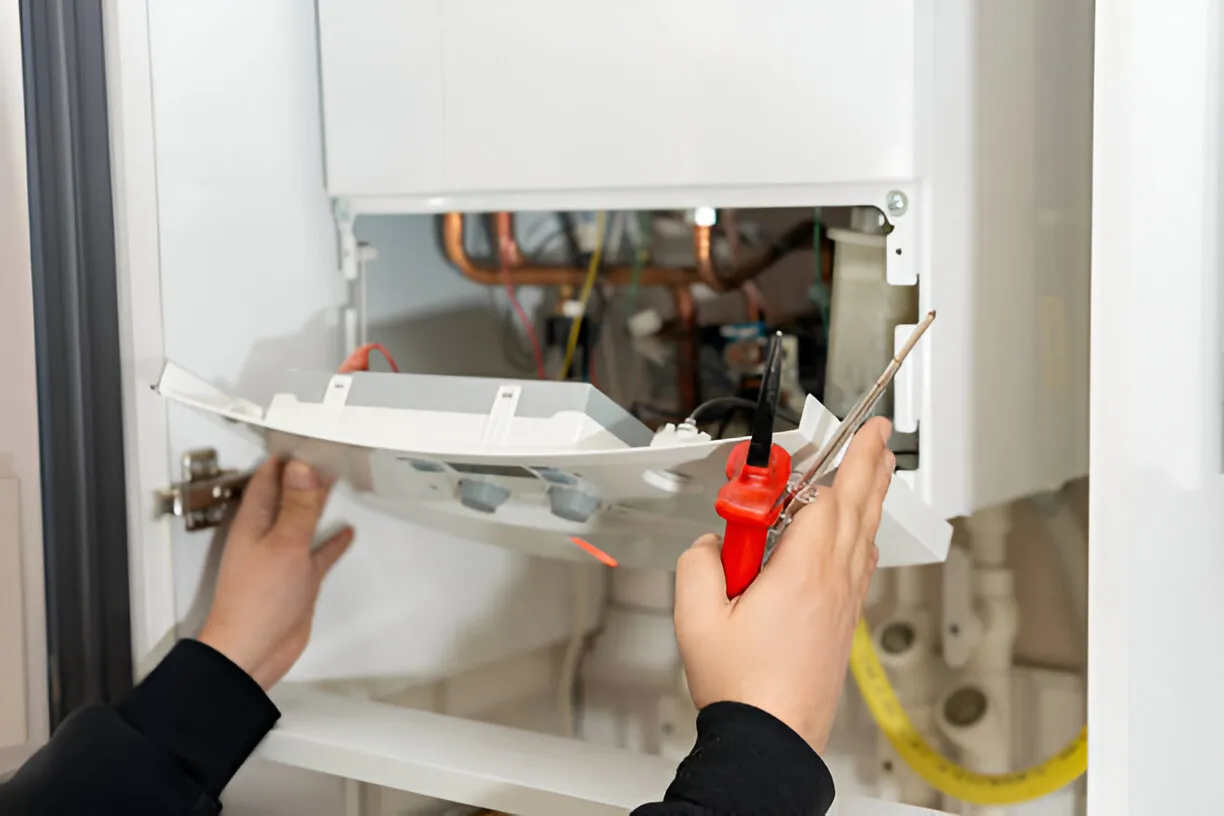
Why a proper boiler installation matters in Reynoldsburg
Reynoldsburg experiences cold, wet winters and humid summers. A correctly sized and installed boiler prevents underperformance during peak heating demand, reduces cycling that shortens equipment life, and improves fuel efficiency. Many local homes were built decades ago and may still have oversized or inefficient systems. Upgrading to a modern boiler with proper installation improves indoor comfort, reduces maintenance, and prepares your home for long-term reliability.
Common boiler installation scenarios in Reynoldsburg
- Replacing an old, inefficient boiler with a high-efficiency condensing model
- Converting from oil or electric baseboard heating to a natural gas or propane boiler
- Installing a boiler as part of a renovation or addition that expands heating needs
- Upgrading distribution components (pumps, zone control, piping) at the same time as boiler replacement
- Switching from single-zone to multi-zone hydronic heating for better control
Initial site assessment: what we evaluate
A thorough on-site assessment establishes the basis for a correct installation:
- Structural location: Evaluate where the new boiler will sit relative to existing piping, vents, and access for service.
- Fuel availability: Confirm natural gas, propane, oil, or electric options and service line capacity.
- Venting and combustion air: Review flue locations, chimney condition, or requirements for direct venting.
- Mechanical room clearances: Ensure safe access and compliance with code for clearances and serviceability.
- Radiator and distribution appraisal: Inspect radiators, baseboards, or in-floor piping to identify balancing or upgrade needs.
- Existing controls and electrical service: Confirm compatibility and any needed panel upgrades.
Load calculations and system selection
Accurate heat load calculations are essential. We use room-by-room heat loss calculations that consider insulation levels, window types, infiltration, and local climate patterns in Reynoldsburg. From that data we select a system that matches demand rather than oversizing.
System selection factors:
- Boiler type: condensing vs non-condensing, combi boiler vs traditional
- Fuel type and local availability
- Modulation and turndown ratio for efficiency during partial-load periods
- Compatibility with existing hydronic distribution and control strategy
- Space constraints and venting options in your Reynoldsburg home
Permits and code considerations
Boiler installations in Reynoldsburg must comply with Ohio building codes, local Reynoldsburg ordinances, and fuel-specific regulations. Typical permit and code tasks include:
- Submitting installation plans or specifications to the local building department when required
- Ensuring venting, combustion air, and clearances meet code
- Following electrical and gas line permit requirements
- Arranging inspections for gas, mechanical, and final building sign-offs
Permit timelines vary; coordinating early helps keep the overall project on schedule.
Professional installation steps
A professional installation follows an organized workflow to minimize disruption and ensure safety:
- Pre-install preparation: secure permits, schedule inspections, order equipment sized to the load calculation.
- Demolition and removal: safely remove the existing boiler and abandoned piping or venting materials.
- Mechanical upgrades: install new boiler pad, supports, and any necessary framing modifications.
- Piping and hydronic work: fit and leak-test new piping, pumps, expansion tanks, and zone valves; isolate sections to preserve other areas of the home where applicable.
- Fuel and venting connections: run new gas lines or propane connections to code, install required venting or flue systems.
- Electrical: connect controls, thermostats, and boiler electrical supply to code-compliant wiring.
- Insulation and sealing: insulate piping and seal combustion air openings per code and best practice.
Installations are done to prioritize safety, durable workmanship, and future serviceability.
Commissioning and testing
Commissioning verifies the system performs as designed:
- Pressure tests and leak checks on hydronic piping
- Initial fill, air purging, and system balancing to ensure even heat distribution
- Burner and combustion analysis (for fuel-fired boilers) to optimize efficiency and emissions
- Verifying thermostat and zone control operation
- Demonstration of system operation and simple maintenance points for homeowners
A completed commissioning process reduces callbacks and improves long-term performance.
Expected project timeline
Residential boiler installations in Reynoldsburg commonly follow this general timeline:
- Site assessment and load calculation: usually completed within a few days of the initial visit
- Permitting and equipment ordering: permit approval and delivery times can add several days to a couple of weeks depending on scope and inspection schedules
- Physical installation and commissioning: most straightforward residential installations are completed in a few days. More complex projects or those requiring distribution upgrades can take longer
Local factors such as permit turnaround, equipment availability, and weather during winter months can affect schedules.
What influences costs (without pricing figures)
Several factors determine the overall investment for a new boiler installation:
- Boiler type and efficiency level chosen
- Complexity of converting fuel types or reconfiguring venting
- Extent of hydronic distribution upgrades or zoning improvements
- Required structural, electrical, or gas service changes
- Permit and inspection requirements specific to Reynoldsburg and county jurisdictions
- Accessibility and site constraints that affect labor time
A clear written estimate based on the site assessment and load calculations will list these elements and recommended options.
Post-installation support and warranties
Long-term performance depends on professional maintenance and support:
- Manufacturer warranties cover core components; installation workmanship may carry a separate warranty
- Annual tune-ups and safety checks preserve efficiency and extend equipment life, especially important in Ohio’s cold season
- Service plans can include priority scheduling and seasonal maintenance tasks such as combustion analysis, pressure checks, and control calibration
For Reynoldsburg homes, seasonal inspection before winter and attention to outdoor piping protections during freezing temperatures are recommended.
Final benefits and homeowner considerations
A properly sized and installed boiler enhances year-round comfort, improves efficiency in cold Ohio winters, and reduces the risk of emergency failures. Modern boilers with high modulation deliver more consistent heat and lower energy use, particularly in homes with variable occupancy or updated insulation. When planning a new boiler installation in Reynoldsburg, prioritize accurate load calculations, code-compliant permits, quality venting and fuel connections, and comprehensive commissioning. These steps ensure the system operates safely and efficiently for years to come.
Hot Deals & Cool Savings

.webp)
New Service Agreement Membership
.webp)
Any New Client Service
Next Service for Referring a New Client
New Service Agreement Membership
Any New Client Service
Next Service for Referring a New Client
.webp)
.webp)

Service Areas
