
Boiler Service in Reynoldsburg, OH
Boiler service in Reynoldsburg, OH offering installation, repairs, preventative maintenance, diagnostics, and replacement guidance. Learn more and schedule service today.

Boiler Service in Reynoldsburg, OH
A reliable boiler is essential for comfort and safety in Reynoldsburg, OH, where cold winters and temperature swings put heating systems under steady strain. Our comprehensive boiler service covers installation, repairs, preventative maintenance, emergency response, diagnostics, and replacement guidance tailored to local homes and small businesses.
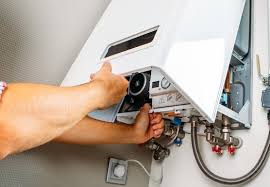
Why timely boiler service matters in Reynoldsburg, OH
Reynoldsburg experiences cold, humid winters and occasional freeze-thaw cycles that accelerate corrosion, stress components, and increase condensation in combustion systems. Older homes in the area often have aging cast-iron boilers or mixed-system heating that require careful compatibility checks. Regular, professional service prevents unexpected failures during peak heating season, improves efficiency to reduce fuel costs, and protects against safety risks like carbon monoxide or gas leaks.
Common boiler issues in Reynoldsburg, OH
Homeowners and property managers in Reynoldsburg typically face these boiler problems:
- No heat or uneven heating across rooms
- Frequent short cycling or boiler that won’t stay on
- Low boiler pressure or recurrent pressure loss
- Strange noises: banging, kettling, or gurgling from the system
- Visible leaks or rust around fittings and heat exchanger
- Pilot light or ignition failures on gas-fired units
- Corroded or failed components: pumps, valves, expansion tanks
- Reduced efficiency due to soot, scale, or clogged burners
Understanding these common issues helps prioritize diagnostics and avoids unnecessary replacement when a targeted repair or maintenance adjustment will restore reliable operation.
Typical service types and what they include
- Installation: Site assessment, sizing and load calculation, removal of old equipment, proper venting and flue work, fuel-line and electrical connections, testing, and commissioning.
- Repairs: On-site diagnostics, component replacement (pumps, valves, controls, ignition systems), leak repair, heat exchanger evaluation, and safety control restoration.
- Preventative maintenance: Combustion analysis, burner cleaning, filter changes, pressure and temperature checks, expansion tank inspection, flushing or chemical treatment for scale and sludge, thermostat calibration, and scheduled reporting.
- Emergency service: Rapid response for loss of heat, major leaks, or suspected gas/CO hazards (stabilization, temporary repairs, and safe shutoff procedures).
- Replacement guidance: Assessment of remaining equipment life, efficiency comparisons, cost-to-repair vs replacement analysis, and compatibility options for condensing vs non-condensing boilers.
Diagnostic process — what technicians do
A professional diagnostic follows a systematic process to identify root causes rather than chasing symptoms:
- Visual inspection: Check for external leaks, corrosion, venting issues, and proper clearances.
- System check: Verify boiler pressure, temperature, circulation, and thermostat signals.
- Combustion and vent testing: Measure flue gases, CO levels, and draft to ensure safe combustion.
- Component testing: Evaluate pumps, valves, expansion tanks, relief valves, sensors, and control boards.
- Water quality: Test for pH, hardness, and sediment which can cause scaling and boiler damage.
- Leak and heat exchanger evaluation: Dye tests, pressure tests, or camera inspections when needed.
- Diagnosis report: Clear explanation of findings, recommended solutions, parts needed, and estimated timelines.
Repair and replacement considerations
- Repair first when the issue is isolated and parts are available, particularly for modern boilers with serviceable components.
- Replace when the heat exchanger is compromised, repeated major failures occur, efficiency is poor relative to replacement, or the system is approaching end-of-life.
- Consider condensing boilers in Reynoldsburg for higher efficiency, particularly if replacing a 15+ year old unit, but check flue and condensate drainage needs.
- Evaluate fuel type compatibility—natural gas, propane, oil, or electric—and any municipal constraints or availability in your neighborhood.
Parts sourcing and manufacturer compatibility
- Preference for OEM parts maintains warranty integrity and ensures proper fit and performance; reputable manufacturers commonly encountered include Weil-McLain, Burnham, Bosch, Viessmann, Navien, and Lochinvar.
- Aftermarket parts may be used when OEM parts are unavailable; technicians will note long-term implications for reliability and warranty.
- Lead times for specific parts can vary—common replacement components like pumps, valves, and sensors are often in stock, while specialty heat exchangers or discontinued parts may take longer or require retrofit solutions.
- Technicians will document model and serial numbers, compatibility notes, and any recommended control upgrades to avoid future mismatches.
Scheduling, customer support, and what to expect on service day
- Appointments typically include a pre-visit checklist: system model/age, symptom timeline, and any recent changes to controls or fuel supply.
- Technicians arrive with diagnostic tools and commonly needed parts; they provide a clear explanation of findings and options before starting major repairs.
- For safety-sensitive issues (gas smell, suspected CO), emergency stabilization and safety protocols are prioritized before diagnostic work.
- After service, you’ll receive operational checks, documentation of work performed, and maintenance recommendations for the next interval.
Typical response and completion timelines
- Emergency response: Same-day stabilization and assessment; many services prioritize same-day or next-day emergency visits during cold snaps.
- Routine repairs: Often completed within 24 to 72 hours depending on parts availability and complexity.
- Preventative maintenance: Single visit of 1 to 3 hours for most residential systems; commercial systems may require longer.
- Full replacements or major retrofits: Planning and permits can extend the timeline; typical full-install projects are completed in 1 to 3 business days for straightforward residential swaps, longer for complex or multi-zone systems.
Preventative maintenance tips and long-term benefits
- Schedule annual combustion and safety checks before the heating season to improve efficiency and reduce breakdown risk.
- Monitor boiler pressure monthly and report sustained deviations.
- Flush or chemically treat hydronic systems every few years to prevent sludge and scale in older Reynoldsburg homes with hard water.
- Insulate exposed distribution pipes in unheated basements to reduce heat loss and freeze risk.
- Regular maintenance preserves efficiency, reduces energy costs, extends equipment life, and minimizes the chance of emergency failures during the coldest weeks.
This comprehensive approach to boiler service in Reynoldsburg, OH focuses on diagnosing root causes, preserving safety and efficiency, and providing clear guidance on repair versus replacement choices—so you can keep your home or property warm, reliable, and safe through the Ohio winter months.
Hot Deals & Cool Savings

.webp)
New Service Agreement Membership
.webp)
Any New Client Service
Next Service for Referring a New Client
New Service Agreement Membership
Any New Client Service
Next Service for Referring a New Client
.webp)
.webp)

Service Areas
