
Boiler Installation in Worthington, OH
Boiler installation in Worthington, OH: expert service from consultation to commissioning for efficient, reliable heating. Learn more about our professional installation options.

Boiler Installation in Worthington, OH
Replacing or installing a new boiler in Worthington, OH is a decision that affects comfort, safety, and long-term energy costs for your home. Winters in central Ohio can be long and cold, and older Worthington homes often have existing hydronic systems that need careful evaluation.
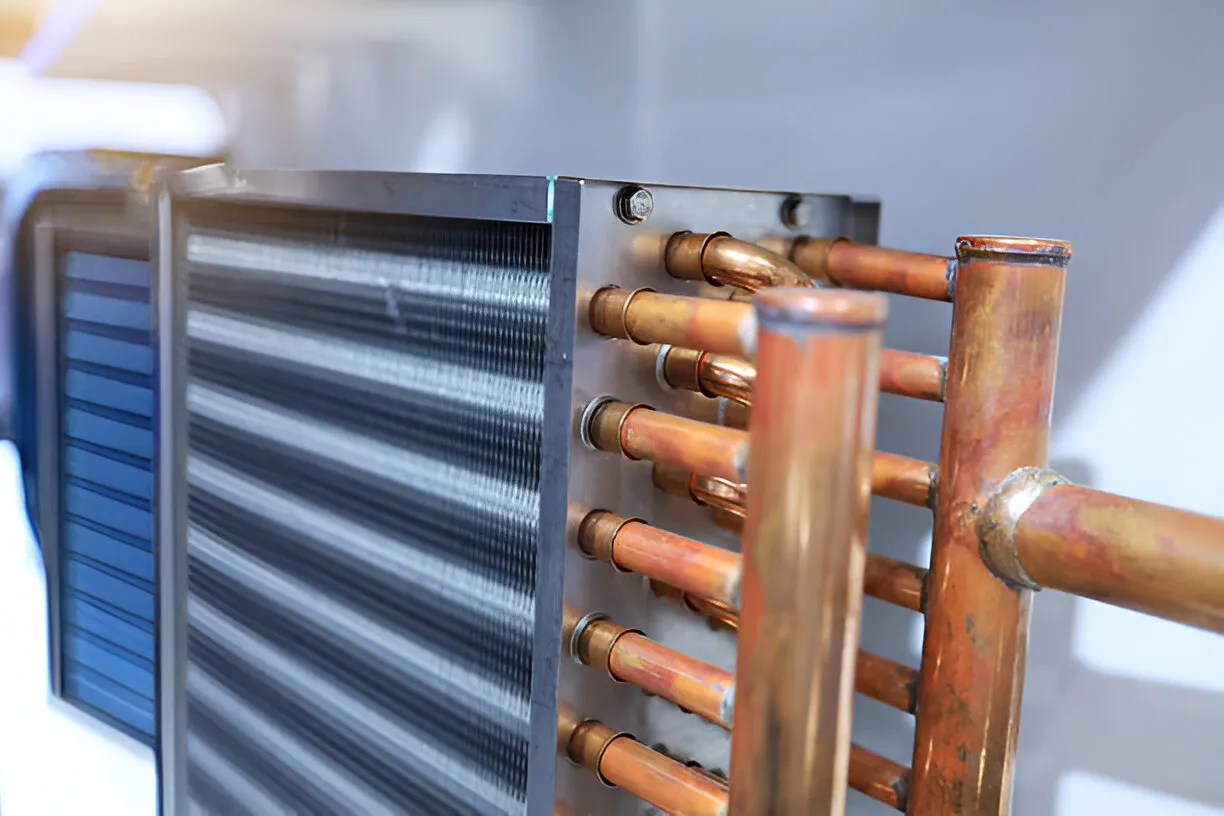
Why a proper boiler installation matters in Worthington, OH
Worthington experiences significant heating demand during winter months. A correctly sized, properly installed boiler reduces fuel use, prevents short cycling, avoids frozen pipes, and maintains indoor comfort throughout cold spells. Many homes in Worthington also feature older piping and distribution systems; matching modern boiler technology to these systems is crucial to realize efficiency gains and prolong system life.
Common boiler installation scenarios and issues in Worthington
- Replacement of aging boilers that are inefficient, unreliable, or unsafe.
- Upgrading from a non-condensing to a condensing boiler to capture fuel cost savings.
- Switching fuel types where natural gas availability or conversion is possible.
- Installing boilers for radiant floor heating, baseboard radiators, or indirect domestic hot water.
- Addressing compatibility issues with older cast iron radiators or legacy piping.
- Correcting ventilation, combustion air, or flue problems common in renovated older homes.
Step 1 - Consultation and heat load calculation
A professional installation begins with a site visit and a detailed heat load calculation. This is not simply sizing a boiler by square footage. The calculation considers:
- Insulation levels, window types, and wall construction characteristic of Worthington homes.
- Orientation and solar gains, attic and basement thermal losses, and infiltration in older buildings.
- Desired indoor temperature and any zoning or supplemental heat needs.
Accurate load calculation ensures your new boiler is neither oversized nor undersized. Oversizing reduces efficiency and increases wear; undersizing fails to meet comfort during cold snaps.
Step 2 - Equipment selection: condensing vs non-condensing and fuel types
Selecting the right equipment depends on your heating load, existing distribution system, and fuel availability.
Condensing boilers
- Best suited for homes with low return water temperatures, such as radiant floor systems or properly configured condensing-compatible radiators.
- Efficiency: Modern condensing boilers typically achieve AFUE ratings above 90 to 98 percent, translating to meaningful fuel savings in Worthington’s cold climate.
- Considerations: Require proper condensate drainage and materials compatible with acidic condensate.
Non-condensing boilers
- Simpler venting and often more compatible with some older heating systems.
- Lower upfront cost in some cases, but generally lower efficiency (AFUE commonly 80-85 percent).
- May be chosen when return water temperatures are high or retrofitting constraints exist.
Fuel choices
- Natural gas: Common in many Worthington neighborhoods; generally lower fuel cost and reliable service. May require gas line capacity upgrades if moving to a larger boiler.
- Propane: Used where natural gas is not available; storage tank planning and delivery logistics are factors.
- Oil: Present in some older homes; oil-fired boilers can be replaced with high-efficiency oil units or converted to gas/propane where feasible.
- Electric boilers: Useful for homes without combustion fuel or where electrification is preferred; evaluate operating cost in Worthington’s utility rates.
Match boiler type to the distribution system and fuel availability to maximize efficiency and reliability.
Step 3 - Site preparation and professional installation procedures
Preparation includes assessing the mechanical room, clearances, venting path, and structural supports. Typical professional procedures:
- Removal and safe disposal of existing equipment, including oil tanks when applicable.
- Installation of proper boiler mounting, isolation valves, and piping layout to reduce stress and noise.
- Correct flue and vent installation, combustion air provision, and condensate drainage for condensing units.
- Integration with controls, zoning valves, thermostats, and any smart or outdoor-reset controls for efficiency optimization.
Technicians follow manufacturer instructions and industry best practices to ensure reliable operation and longevity.
Step 4 - Permitting and code compliance in Worthington
Boiler installations require local permits and inspections. Permitting ensures installations comply with safety, venting, and energy codes relevant to Worthington and Franklin County. Common permit-related items:
- Mechanical permit for the boiler and venting.
- Possible fuel piping permits for gas or propane line changes.
- Combustion air and venting inspections.
- Final inspection and sign-off by the local building department.
Professional installers handle permit applications and coordinate inspections to meet local code requirements.
Step 5 - Commissioning and user orientation
Commissioning confirms the system operates as designed. This includes:
- Balancing hydronic flows and checking zone performance.
- Verifying combustion efficiency, safety controls, and flue operation.
- Demonstrating controls and thermostat operation to the homeowner.
- Providing documentation for warranty registration and maintenance schedules.
A thorough orientation ensures you understand how to operate and maintain the new system for best performance.
Expected efficiency gains and operating benefits
Upgrading to a modern, properly sized boiler can deliver:
- Lower fuel consumption and reduced monthly heating costs, especially with a condensing boiler in Worthington’s cold climate.
- More consistent indoor temperatures and improved comfort.
- Reduced equipment downtime and longer service life when installation is done correctly.
- Lower greenhouse gas emissions when moving from older, inefficient equipment or switching to cleaner fuel sources.
Warranty, maintenance options, and long term care
Warranty coverage varies by manufacturer and typically covers parts and sometimes labor for a defined period. Maintenance keeps warranties valid and systems efficient. Recommended maintenance includes:
- Annual combustion and safety inspection.
- Flue and vent cleaning where applicable.
- Checking controls, pressure, expansion tanks, and condensate drains on condensing units.
- Flushing and treating hydronic loops if needed to prevent corrosion and sediment buildup.
Ask about extended warranty options, planned maintenance agreements, and service response times to protect your investment.
Final considerations for Worthington homeowners
A new boiler installation in Worthington, OH should be treated as a whole-house investment: accurate sizing, appropriate equipment selection, compliance with local codes, and professional commissioning unlock the full benefits of efficiency and comfort. Proper maintenance and timely inspections are crucial to preserve reliability through Ohio winters and protect against issues that can arise in older homes. By focusing on the right system for your home and ensuring code-compliant installation, you can expect dependable heat, lower operating costs, and improved indoor comfort for years to come.
Hot Deals & Cool Savings

.webp)
New Service Agreement Membership
.webp)
Any New Client Service
Next Service for Referring a New Client
New Service Agreement Membership
Any New Client Service
Next Service for Referring a New Client
.webp)
.webp)

Service Areas
