
Boiler Replacement in Worthington, OH
Boiler replacement in Worthington OH offers efficient heating and safety upgrades. Learn more about installation options and schedule a consultation.

Boiler Replacement in Worthington, OH
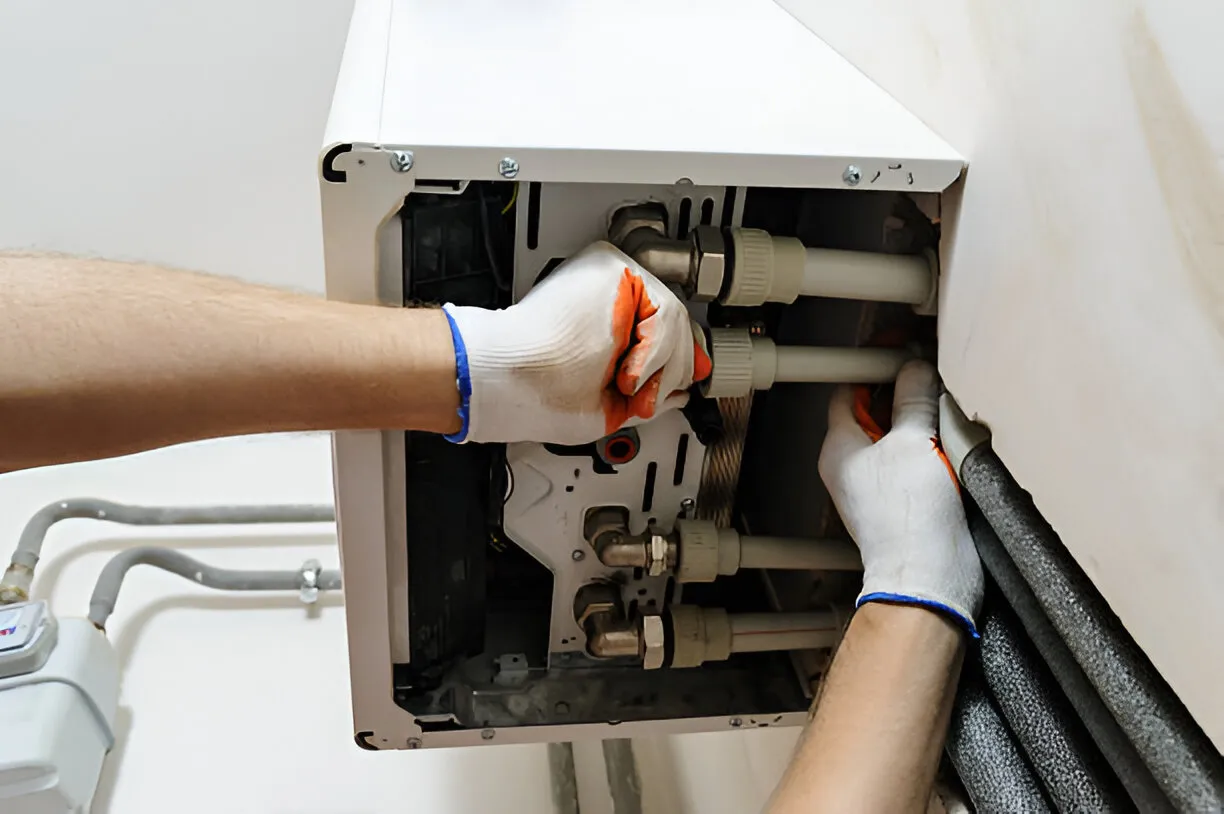
Replacing a boiler is one of the most impactful upgrades a Worthington, OH homeowner can make for comfort, safety, and long-term energy savings. Whether your system is old, costly to run, or failing to keep radiators and baseboards warm through Ohio winters, a professional boiler replacement gives you a modern, efficient hydronic heating system sized for your home, installed to code, and commissioned for reliable performance.
Common boiler problems that lead to replacement
- Age and frequent breakdowns - older boilers lose efficiency and parts become scarce.
- Rising energy bills - declining AFUE and single-stage operation mean higher fuel use during Worthingtons cold months.
- Corrosion, leaks, and safety concerns - rusted heat exchangers, wet returns, and persistent leaks compromise safety.
- Inadequate comfort or zoning issues - uneven heating in older Worthington homes with radiators or baseboards.
- Failed parts or incompatible components - obsolete controls, non-condensing venting, or inefficient fuel types.
Assessment and lifecycle evaluation
A thorough system assessment is the first step. That includes:
- Visual inspection of the boiler, venting, piping, controls, and expansion tank.
- Review of maintenance history and repair frequency to evaluate remaining useful life.
- Fuel type and supply check - natural gas, propane, oil, or electric options in Worthington homes.
- Cost-benefit analysis comparing continued repairs versus replacement, including expected efficiency gains and projected operating cost reductions.
This evaluation helps determine whether repair or full replacement is the most economical and reliable option for your home.
Energy-efficient replacement options
Worthington homeowners typically choose among these modern boiler types:
- High-efficiency condensing boilers - capture latent heat from exhaust for much higher AFUE ratings than legacy boilers.
- Modulating-condensing boilers - vary firing rate to match heat demand, improving comfort and cutting fuel use.
- Standard high-efficiency non-condensing units - improved performance with simpler venting when condensing is not feasible.
Choosing an energy-efficient model is particularly relevant in Central Ohio where long heating seasons make fuel savings meaningful. Look for models with advanced controls, outdoor reset capability, and compatibility with existing hydronic zones and thermostats.
Sizing and load calculations
Proper sizing is critical. An oversized boiler short cycles and wastes fuel; an undersized unit cannot meet demand on Worthingtons coldest days. Professional sizing includes:
- Heat loss calculation using industry-standard methods to determine required output in BTU/h.
- Consideration of insulation, window types, home orientation, and recent envelope upgrades common in Worthington renovations.
- Assessment of distribution system (radiators, baseboards, in-floor heating) and pipe layout to ensure adequate flow and return temperatures.
A properly sized boiler maximizes comfort, lifespan, and energy efficiency.
Removal and disposal of old equipment
Removal includes safe shutdown, fuel disconnection, and environmentally responsible disposal. Key points:
- Safe draining of hydronic loops and capture of any hazardous fluids.
- Disconnecting and capping fuel lines and electrical services per code.
- Recycling or disposing of the old boiler and associated materials in accordance with local regulations.
- Protecting existing finishes and flooring in older Worthington homes during removal and installation.
Professional installation steps
A careful installation process ensures long-term reliability:
- Final confirmation of sizing and equipment selection.
- Preparation of the boiler room - venting pathway, pad or platform, clearances, and combustion air needs.
- Pipework and hydronic hookups - proper venting, trapping, and slope for condensate if installing a condensing unit.
- Electrical and control integration - connecting thermostats, zone valves, pumps, and safety devices.
- Commissioning and flushing - purging air, balancing zones, and filling to correct pressure.
Most residential replacements are completed in a short window on-site, with overall project duration influenced by permit and inspection timing in Worthington.
Permitting and code compliance
Replacing a boiler requires permits and inspections to meet state and local codes. Typical requirements:
- Local building and mechanical permits filed with the city of Worthington or Franklin County as applicable.
- Compliance with fuel-specific venting and combustion air codes.
- Proper condensate disposal and backflow prevention where required.
- Inspection and final approval by local authorities.
Ensuring permit compliance protects your home, preserves insurance coverage, and satisfies resale disclosure requirements.
Rebates, incentives, and financing options
Many homeowners qualify for incentives that reduce upfront cost:
- Manufacturer rebates on qualifying high-efficiency units.
- Local utility or municipal programs that offer rebates or incentives for energy-efficient heating upgrades.
- Financing options tailored to home energy improvements that spread payments over time.
Checking current local and state offerings during equipment selection helps maximize available savings.
Warranty coverage and post-installation testing
New boilers include manufacturer warranties and often extended coverage for heat exchangers or controls. After installation:
- Combustion analysis and emissions checks verify safe and efficient operation for combustion-fueled boilers.
- Pressure testing, leak checks, and system balancing confirm integrity and comfort.
- Documentation of settings, pressure, and control configurations ensures warranty compliance and simplifies future service.
Providing you with system documentation and startup settings supports warranty claims and future maintenance.
Maintenance and long-term benefits
A new boiler delivers immediate benefits: improved comfort, lower fuel consumption, quieter operation, and reduced repair frequency. To protect that investment:
- Schedule annual tune-ups, combustion checks, and system flushing as recommended by the manufacturer.
- Monitor system pressure, pilot or ignition operation, and zone performance, especially during Worthingtons cold snaps.
- Address small issues early to avoid costly failures and preserve efficiency.
Replacing your boiler with the right equipment, professionally sized and installed, gives dependable heat through Worthingtons winters, better indoor comfort, and a system built to operate efficiently for years.
Hot Deals & Cool Savings

.webp)
New Service Agreement Membership
.webp)
Any New Client Service
Next Service for Referring a New Client
New Service Agreement Membership
Any New Client Service
Next Service for Referring a New Client
.webp)
.webp)

Service Areas
