
Boiler Maintenance in Lewis Center, OH
Boiler Maintenance in Lewis Center, OH: schedule a seasonal tune-up to improve efficiency, reliability, and safety. Learn more and request service today.

Boiler Maintenance in Lewis Center, OH
Keeping your boiler well maintained is one of the most effective ways to protect comfort, safety, and heating costs in Lewis Center, OH homes. With cold, wet winters and occasional freeze-thaw cycles in central Ohio, boilers face heavy seasonal demand; routine maintenance prevents unexpected breakdowns, preserves efficiency, and extends equipment life.
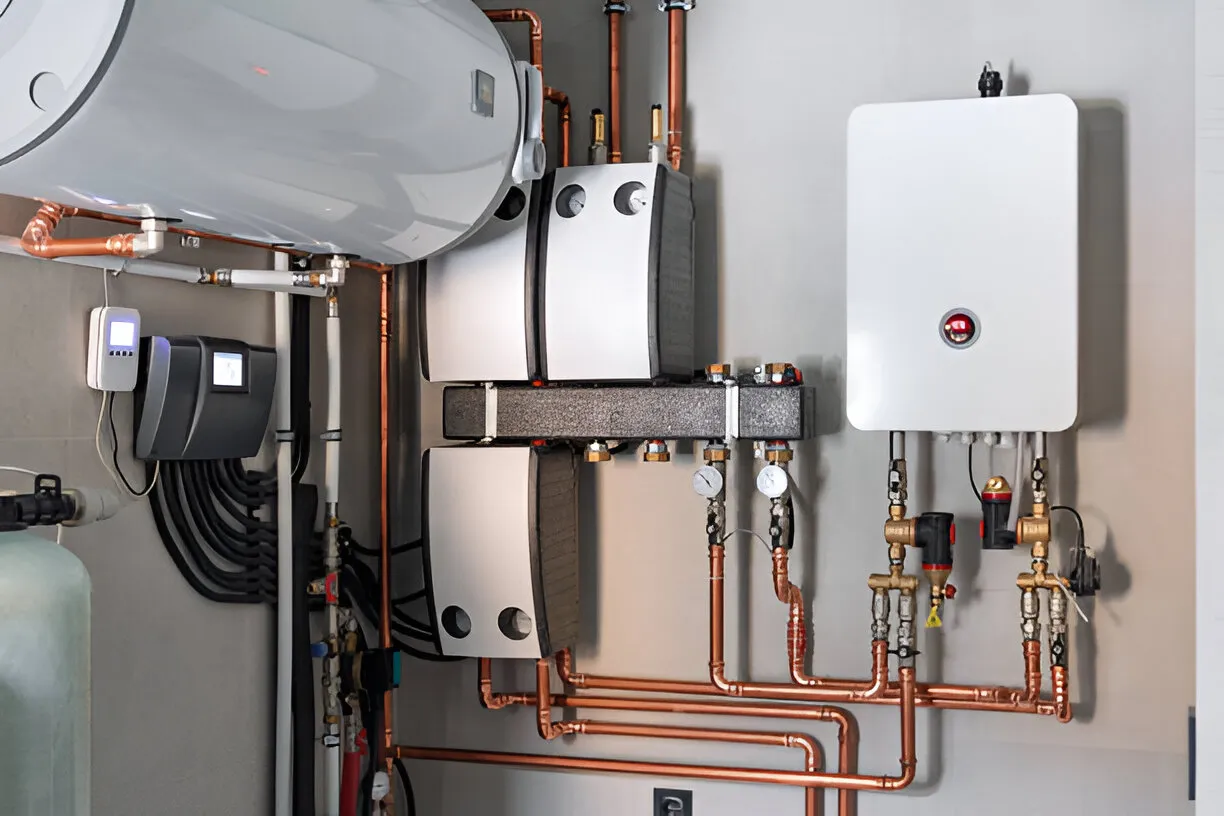
Common boiler maintenance issues in Lewis Center, OH
Homeowners in Lewis Center commonly see a predictable set of boiler problems driven by regional climate and housing stock:
- Scale and sediment buildup — Central Ohio’s moderately hard water encourages mineral deposits in heat exchangers and condensate lines, reducing heat transfer and causing short cycling.
- Pressure and expansion problems — Freeze-thaw and temperature swings can reveal weak expansion tanks, pressure relief issues, or trapped air that causes pressure fluctuations.
- Combustion inefficiency — Soot or clogged burners result in yellow flames, incomplete combustion, higher fuel use, and potential safety concerns.
- Venting and condensate clogging — Wet winters increase the risk of condensate line freeze or blockage; older flues can develop leaks or backdraft problems.
- Age-related wear — Cast iron and older steel boilers common in established Lewis Center neighborhoods may need more frequent inspections for corrosion, leaks, and seal integrity.
Understanding these local tendencies helps tailor a maintenance plan that reduces emergency repairs and keeps boilers operating safely and efficiently all year.
What a seasonal boiler tune-up should cover
A professional seasonal tune-up is more than a quick visual check. Typical comprehensive tune-ups include:
- Visual inspection of the entire boiler room and mountings
- Burner inspection and cleaning to restore proper flame pattern and combustion efficiency
- Heat exchanger inspection and descaling as needed to remove soot and mineral buildup
- Combustion analysis and adjustment to optimize fuel-to-air ratio and reduce emissions
- Safety controls and limit switch testing to verify shut-downs work correctly
- Pressure checks and expansion tank assessment to ensure stable system pressure
- Control calibration, thermostat verification, and zone control checks
- Filter, strainer, and vent maintenance, including flue and chimney inspection
- Condensate trap and drain cleaning for high-efficiency condensing boilers
- Leak detection, pipe insulation inspection, and pump/valve operation testing
- Documentation of system condition and recommended follow-up actions
These items address both immediate comfort and long-term reliability, saving energy and reducing the likelihood of mid-winter failures.
Detailed inspection and cleaning procedures
Routine maintenance follows a methodical diagnostic process to pinpoint issues before they escalate:
- Burner and combustion inspection: Remove burner components as needed, clean jets and orifices, and inspect electrodes or igniters. Perform a combustion gas analysis to confirm safe CO and CO2 levels and adjust air/fuel mixture for peak efficiency.
- Heat exchanger care: Inspect for corrosion, cracks, and soot. Clean accessible surfaces and advise descaling or more invasive cleaning when mineral deposits reduce heat transfer.
- Safety and pressure systems: Test pressure relief valves, check expansion tank pre-charge, and observe operating pressure under normal load to detect trapped air or failed tanks.
- Control and electrical checks: Verify thermostat signals, control board responses, safety interlocks, and secure electrical connections to prevent unreliable operation.
- Venting and flue assessment: Examine flue piping for corrosion, leaks, or improper pitch. Confirm draft and assess risk of backdrafting that can lead to CO intrusion.
- Water quality and treatment recommendations: Inspect for signs of corrosion or scaling and recommend water treatment, sediment flushing, or chemical cleaning for systems experiencing rapid buildup.
Each step is documented so homeowners know the condition of components and can prioritize repairs or upgrades.
Maintenance agreements for predictable performance
A maintenance agreement converts reactive repairs into a predictable, preventative regimen. Typical features homeowners can expect:
- Seasonal scheduling (fall heating tune-up and optional spring inspection) to match Lewis Center’s heating cycle
- Priority service for agreement holders during peak season and faster dispatch for urgent issues
- Planned inspections and service history records that support warranty compliance and resale value
- Discounted rates on repairs and parts to lower long-term ownership costs
- Regular reminders and documentation so routine tasks are not overlooked
A maintenance agreement provides peace of mind through consistent, documented care and helps protect the investment in your heating equipment.
Benefits of scheduled boiler maintenance
Routine servicing delivers measurable advantages:
- Improved efficiency — Clean burners and optimized combustion lower fuel consumption and energy bills.
- Greater reliability — Early detection of worn components prevents overnight failures during freezing Columbus winters.
- Longer equipment life — Regular cleaning and adjustments reduce stress on parts and postpone major replacements.
- Enhanced safety — Testing safety controls and venting reduces risks of carbon monoxide or pressure-related incidents.
- Warranty protection — Many manufacturers require routine maintenance to maintain warranty coverage.
- Consistent comfort — Properly calibrated controls and zoned checks maintain even heating across living spaces.
These benefits are especially valuable in Lewis Center, where extended cold periods place high demand on boilers.
When to schedule service and warning signs to watch for
Schedule a professional inspection at least once a year, ideally in the fall before sustained heating demand starts. Consider an additional spring check for high-efficiency systems or if your home experienced unusual strain over the winter.
Watch for these warning signs that indicate immediate service is needed:
- Strange noises such as banging, kettling, or continuous cycling
- Yellow or lazy flames instead of a crisp blue flame
- Frequent pressure drops or relief valve discharge
- Visible leaks, rust, or corrosion around the boiler or piping
- Noticeable rise in heating bills without increased usage
- Uneven heating or cold spots in the home
Addressing these signs early keeps repairs small and predictable.
Hot Deals & Cool Savings

.webp)
New Service Agreement Membership
.webp)
Any New Client Service
Next Service for Referring a New Client
New Service Agreement Membership
Any New Client Service
Next Service for Referring a New Client
.webp)
.webp)

Service Areas
