
Boiler Tune-Up in Lewis Center, OH
Professional boiler tune-up services in Lewis Center, OH protect your heating system and improve efficiency. Schedule a tune-up today.

Boiler Tune Up in Lewis Center, OH
A professional boiler tune up in Lewis Center, OH is one of the most effective ways to protect your home’s heating system, lower energy bills, and reduce the risk of midwinter breakdowns. With cold Ohio winters and wide seasonal temperature swings, boilers in Lewis Center work hard from late fall through early spring. Regular, thorough tune ups address common local issues—like scale from hard water, venting stress in older homes, and efficiency loss after years of use—so your system runs safely and reliably when you need it most.
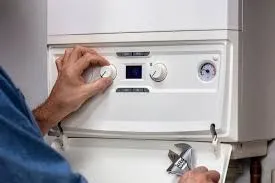
Why a tune up matters in Lewis Center, OH
Lewis Center experiences prolonged cold spells and occasional hard freezes that push boilers to full capacity. When a boiler is poorly adjusted, dirty, or suffering from pressure or control problems, those conditions accelerate wear and raise the chance of failures and costly emergency repairs. A tune up restores proper combustion, optimizes heat transfer, and verifies safety devices so your home stays comfortable and heating costs stay predictable.
Common boiler tune up issues in Lewis Center, OH
- Reduced efficiency from soot and scale build-up — Hard water mineral deposits and combustion soot reduce heat transfer and increase fuel consumption.
- Poor combustion and higher emissions — Improper air/fuel mix raises fuel use and can produce dangerous byproducts if venting is compromised.
- Faulty controls or pressure problems — Worn pressure switches, relief valves, or expansion tanks can lead to leaks, noisy operation, or loss of heat.
- Thermostat or sensor drift — Inaccurate temperature sensing leads to uneven heating and shorter cycling.
- Pilot or burner malfunctions — Clogged pilots, dirty burners, or failing ignition components cause unreliable firing and cold spots.
- Blocked venting or flue issues — Chimney and vent restrictions become a safety risk, especially in homes with older chimneys common to the area.
Typical boiler tune-up checklist
A complete tune up follows a systematic checklist to restore performance and document system condition. Typical tasks include:
- Combustion and efficiency testing (CO, O2, stack temperature, efficiency percentage)
- Burner and pilot cleaning (remove soot, inspect burner assembly, clean pilot and flame sensor)
- Inspection and cleaning of heat exchanger (look for scale, soot, cracks)
- Pressure and safety control checks (system pressure, relief valve operation, expansion tank)
- Thermostat calibration and control check (verify setpoints, cycle rates, sensor operation)
- Flue and vent inspection (clearances, corrosion, draft, proper termination)
- Fuel supply checks (natural gas pressure, propane or oil line condition if applicable)
- Circulator pump and valve inspection (lubrication, leaks, proper flow)
- Electrical and ignition component checks (wiring integrity, ignition timing, controls)
- Minor adjustments to optimize combustion and system settings for peak efficiency
- Documentation of findings and recommended repairs or parts replacement
What a technician will do — step by step
- Begin with a visual inspection of the boiler room, piping, venting, and surrounding clearances to spot obvious hazards.
- Run the boiler through a warm-up cycle while monitoring combustion readings and observing flame quality.
- Remove and clean accessible burner components, vacuum soot from the combustion chamber, and clean the pilot and flame sensors.
- Check system pressure, expansion tank condition, and test safety shutoffs and pressure relief valve operation.
- Inspect and test the thermostat and control logic; adjust calibration or recommend replacements for outdated controls.
- Evaluate the heat exchanger for signs of corrosion or scaling; measure stack temperature and calculate system efficiency.
- Verify proper venting and draft; test for combustion gas leakage and carbon monoxide risk where applicable.
- Provide a written summary of efficiency readings, any defects found, and suggested repairs or maintenance priorities.
How often to schedule a tune up
- Annual tune up before heating season — This is the standard recommendation for most Lewis Center homes, especially given Ohio’s cold winters.
- Semi-annual checks — Consider if you have an older boiler (10+ years), a high-use system, or known water quality issues that accelerate scale.
- After repairs or unusual behavior — If you experience banging noises, frequent cycling, loss of pressure, or any suspected gas smell, arrange an inspection before continuing normal operation.
Expected benefits
- Lower energy bills — Proper combustion tuning and clean heat transfer surfaces typically reduce fuel consumption.
- Fewer breakdowns — Small issues catchable during a tune up often prevent major failures during peak demand.
- Longer equipment life — Reducing soot, scaling, and improper cycling extends the life of heat exchangers, pumps, and burners.
- Improved comfort and control — Calibrated thermostats and optimized controls deliver steadier room temperatures.
- Safer operation — Venting, CO risk, and pressure safety checks reduce the likelihood of hazardous conditions.
- Documentation for home value — Records of annual maintenance help when selling a home by showing care and service history.
Typical timeframe and what to expect afterwards
A standard boiler tune up usually takes about 60 to 90 minutes for common residential systems, longer for older or more complex units. After the tune up you should receive a summary of work completed, measured efficiency figures, and any recommended repairs. If the technician recommends parts replacement (valves, ignition components, relief valves, or a failing expansion tank), addressing those items promptly preserves the benefits gained during the tune up.
Small homeowner steps that complement a professional tune up
- Bleed radiators and verify system balance to ensure even heat distribution.
- Check visible piping and connections for leaks or rust between seasons.
- Keep the boiler room clear of stored items and maintain proper vent clearances.
- Consider a water treatment or filtration option if hard water is accelerating scale in your system.
Routine, professional boiler tune ups tailored to Lewis Center, OH conditions keep boilers efficient, safe, and reliable when winters are at their worst. Regular maintenance reduces unexpected costs and helps your system perform predictably year after year.
Hot Deals & Cool Savings

.webp)
New Service Agreement Membership
.webp)
Any New Client Service
Next Service for Referring a New Client
New Service Agreement Membership
Any New Client Service
Next Service for Referring a New Client
.webp)
.webp)

Service Areas
