
Boiler Maintenance in Powell, OH
Powell, Ohio boiler maintenance service keeps your system safe and efficient. Schedule annual tune-ups today for reliable winter heat—learn more.

Boiler Maintenance in Powell, OH
An annual boiler maintenance program is one of the most effective ways to keep your home warm, safe, and energy efficient through Powell, OH winters. Regular inspections and tune ups reduce unexpected breakdowns, help control heating costs, and extend the life of your heating equipment.
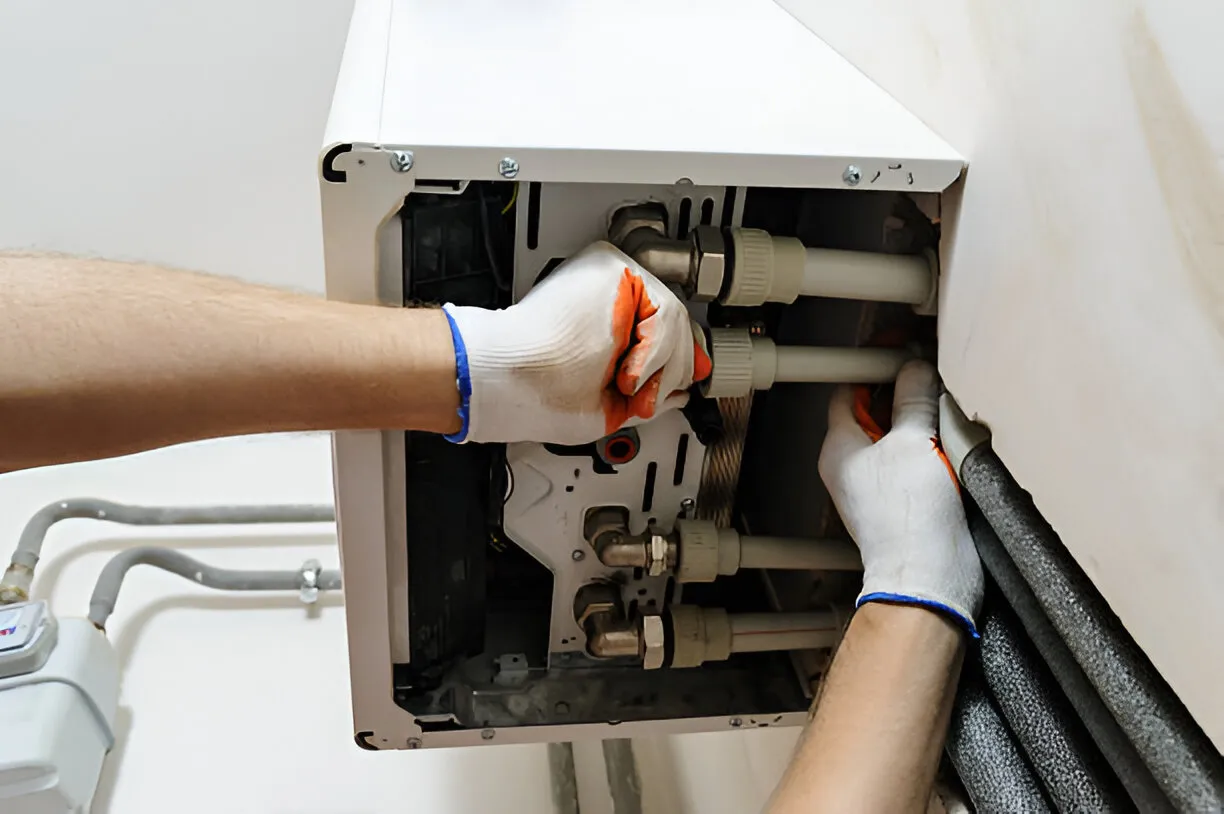
Why boiler maintenance matters in Powell, OH
Powell experiences cold winters with frequent freeze and thaw cycles that place extra stress on boilers, piping, and controls. Many homes in the area have older hydronic systems, cast iron boilers, or retrofit equipment that can develop leaks, corrosion, or efficiency losses if left unchecked. Seasonal maintenance addresses problems before they cause failures during peak demand, reduces the risk of carbon monoxide exposure, and preserves factory warranties that require documented service.
Common boiler maintenance issues in Powell, OH
- Soot and combustion deposits from poor burner tuning, reducing heat transfer and efficiency
- Pressure fluctuations and recurring low-pressure conditions caused by small leaks or failing expansion tanks
- Corrosion or pinhole leaks in older steel or cast iron headers and piping from water quality issues
- Ignition failures and intermittent cycling from dirty igniters, flame sensors, or control faults
- Air trapped in radiators or piping, leading to cold spots and noisy operation
- Inefficient operation from outdated controls, missing outdoor reset, or poorly sized pumps
- Safety control failures (pressure relief valve, low-water cutoff) that require immediate attention
Typical boiler maintenance services and what they include
A thorough annual boiler maintenance visit usually covers the following tasks. Each item is performed to ensure the system is safe, reliable, and operating near its designed efficiency.
- Visual and safety inspection
- Check combustion chamber, heat exchanger, piping, vents, and flue for corrosion, cracking, or blockages
- Verify operation of safety devices: pressure relief valve, low-water cutoff, and flame safeguard controls
- Cleaning
- Remove soot and combustion deposits from burners, heat exchanger surfaces, and venting components
- Clean or replace air filters on forced-air components connected to boilers
- Combustion analysis and burner tuning
- Measure CO, CO2, O2, and stack temperature to confirm safe and efficient combustion
- Adjust fuel/air mixture and burner settings to reach optimal combustion readings
- Pressure and leak checks
- Inspect system and boiler for leaks, test pressure levels, and verify expansion tank function
- Top up system water to required pressure after confirming there are no active leaks
- Control and electrical testing
- Test thermostat and control logic, circulator pumps, electrical connections, and safety interlocks
- Verify proper sequencing of burner, pump, and zone valves
- Component inspection and recommended replacements
- Inspect burners, electrodes/ignitors, pumps, valves, relief valves, and heat exchanger condition
- Provide a replacement schedule based on hours, corrosion, or manufacturer recommendations
Diagnostic process—what a technician will do
- Start with a system history and visual inspection to identify signs of past issues or repairs.
- Run the boiler and observe operation through a full cycle—note ignition, flame quality, pump operation, and shutdown.
- Perform combustion analysis for burner efficiency and safety.
- Check system pressure, expansion tank precharge, and look for slow leaks.
- Test all safety controls and document readings for warranty compliance.
- Recommend repairs or component replacements with expected impact on reliability and efficiency.
Repairs and solutions commonly performed after maintenance
- Burner and nozzle cleaning or replacement to restore efficient combustion
- Repair or replacement of leaking valves, seals, and gaskets to stop pressure loss
- Expansion tank replacement or recharging to stabilize system pressure
- Circulator pump rebuild or replacement to restore proper flow to zones
- Heat exchanger repair or replacement in cases of severe corrosion or cracking
- Upgrade of controls or thermostats to improve comfort and reduce fuel use
Component inspection and replacement schedules
- Burners and ignition components: inspect annually; replace as needed every 5 to 10 years depending on hours and fuel quality
- Pumps and motors: inspect annually; expect replacement every 8 to 15 years based on usage and maintenance history
- Pressure relief valves and safety devices: test annually; replace immediately if any sign of failure
- Heat exchanger: inspect annually for corrosion or cracking; replacement often required for older boilers after 15 to 25 years depending on water quality and maintenance
- Expansion tanks and valves: check annually; replace if bladder fails or corrosion is present
Benefits of regular boiler maintenance
- Improved reliability — fewer mid-winter failures and emergency repairs
- Lower energy bills — properly tuned combustion can reduce fuel consumption significantly
- Extended equipment life — routine cleaning and part replacement prevent premature breakdowns
- Safety assurance — testing safety controls reduces risk of carbon monoxide incidents
- Warranty protection — many manufacturers require documented annual service to keep warranties valid
What maintenance plans typically include
Most homeowners choose from tiered maintenance plans that fit different needs and equipment types. Typical plan structures include:
- Basic plan: Annual inspection and safety checks, basic cleaning, and combustion analysis
- Standard plan: All basic services plus priority scheduling, parts discounts, and seasonal tune ups
- Comprehensive plan: Semi-annual visits, full cleaning, replacement allowances for wear items, and detailed efficiency reporting
Plans generally document service dates and findings, which is helpful for warranty claims and resale value of the home.
Simple maintenance tips for Powell homeowners
- Keep the boiler room clear of clutter and stored items to allow proper ventilation and service access.
- Install and test carbon monoxide detectors near sleeping areas and the boiler room.
- Bleed radiators or purge air from zones if you notice cold spots or noisy pipes.
- Monitor system pressure and note any recurring drops between services.
- Use a softener or water treatment if your home has hard water to reduce scale and corrosion.
Regular, documented maintenance tailored to Powell, OH conditions protects your investment and keeps your home comfortable through the cold months. Annual inspections, combustion tuning, pressure checks, and timely component replacement are the foundation of responsible boiler ownership and reliable winter heating.
Hot Deals & Cool Savings

.webp)
New Service Agreement Membership
.webp)
Any New Client Service
Next Service for Referring a New Client
New Service Agreement Membership
Any New Client Service
Next Service for Referring a New Client
.webp)
.webp)

Service Areas
