
Boiler Replacement in Powell, OH
Powell, OH boiler replacement with expert installation to boost efficiency and comfort. Learn more and schedule a consultation today.

Boiler Replacement in Powell, OH
Upgrading an aging or inefficient boiler is one of the most impactful home investments for Powell, OH homeowners. With cold Ohio winters, older boilers struggle to maintain steady indoor temperatures, cost more to run, and pose higher repair and safety risks.
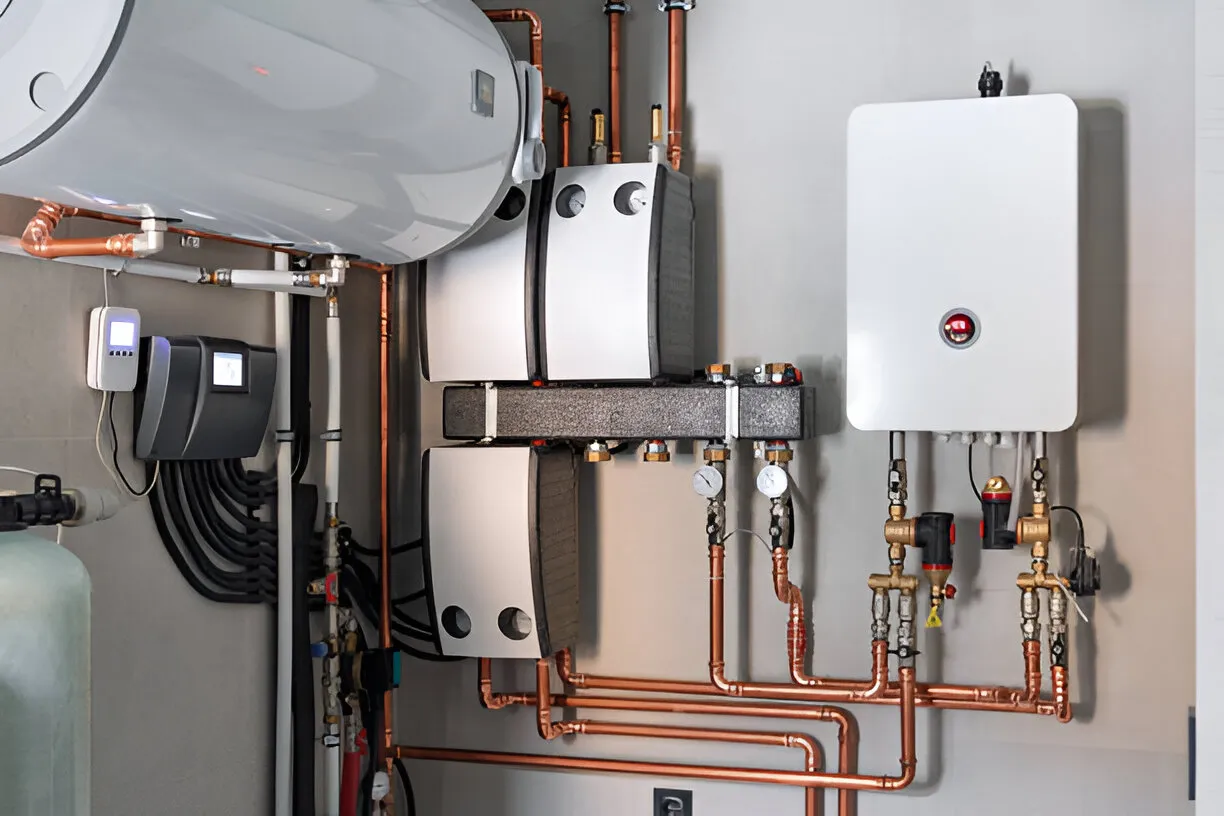
Why replace an aging boiler in Powell, OH
- Older boilers commonly operate at 60% AFUE or less, while modern condensing units can reach 90% to 98% AFUE. That translates to meaningful fuel savings during long heating seasons.
- Frequent repairs, loud cycling, slow heat recovery, uneven room temperatures, or pilot/ignition problems are signs a system is failing.
- Ohio’s freeze conditions increase the cost and discomfort of breakdowns; proactive replacement reduces the risk of emergency service in subzero weather.
- New installations improve safety (reduced carbon monoxide risk), home comfort (better zoning and controls), and often increase resale value.
Common boiler problems and replacement triggers in Powell, OH
- Repeated component failures (burner, heat exchanger, circulator pumps)
- Signs of heat exchanger corrosion or leaks
- Inefficient operation and high heating bills despite regular maintenance
- Incompatibility with modern zoning/thermostat controls
- Inadequate capacity for home improvements or additions
- Noncompliance with updated venting or combustion-air requirements
Professional assessment: load calculations and system evaluation
A thorough pre-replacement assessment includes:
- Heat loss/load calculation
- Measures actual heating demand using room-by-room heat loss methods (not just rule-of-thumb sizing). This prevents oversizing, which causes short cycling and inefficiency.
2. System evaluation
- Inspect piping, radiators/baseboards, distribution pumps, expansion tank, ventilation, and chimney or venting.
3. Fuel-source review
- Confirm natural gas availability (common in Powell), propane, oil, or electric options and evaluate fuel-line condition.
4. Flue and venting analysis
- Check flue size, chimney condition, and suitability for high-efficiency venting (PVC for condensers).
5. Control and zoning inspection
- Assess compatibility of the new boiler with existing thermostats, zone valves, or smart controls.
6. Water quality and hydronic system health
- Identify sludge, corrosion, or trapped air that would reduce life expectancy of new equipment.
This assessment yields a recommended capacity, equipment type, and a replacement plan tailored to Powell homes and local climate needs.
Replacement options: types and fuel choices
- High-efficiency condensing gas boilers: Best efficiency for gas-fed homes; require condensate drainage and PVC venting but deliver the greatest fuel savings.
- Non-condensing gas boilers: Simpler installation for existing chimneys but lower efficiency than condensing models.
- Propane or oil boilers: Viable where gas service is not present; modern oil units are improved, but fuel cost volatility is a factor.
- Electric boilers/heat-pump integration: Consider for all-electric homes or when electrification is prioritized; pairing with heat pumps for shoulder seasons can reduce operating costs.
- Modulating-condensing units: Adjust output to match load, reduce cycling, and improve comfort. Ideal for down-sized, properly designed systems.
Removal of old equipment and professional installation steps
- Pre-install preparation
- Obtain required permits and schedule inspections. Drain the system and isolate utilities.
2. Safe removal
- Disconnect fuel supply, electrical connections, and piping. Remove old boiler and responsibly dispose or recycle components.
3. System upgrades (as needed)
- Upgrade flue/venting, install condensate neutralizer, replace corroded piping, add low-loss header or pumping assemblies, and install new controls or thermostats.
4. Mechanical installation
- Mount and connect the new boiler, integrate with distribution system, and ensure proper clearances and combustion-air provisions.
5. Commissioning
- Fill and purge the system, perform air removal and hydronic balancing, combustion testing, carbon monoxide checks, and safety control verifications.
6. Startup and homeowner orientation
- Demonstrate system operation, zoning, and maintenance needs; provide documentation for warranties.
Permitting and code compliance for Powell, OH
Boiler replacement in Powell requires compliance with local building and mechanical codes. Typical requirements include:
- Building/mechanical permit from the City of Powell or Delaware County (depending on jurisdiction)
- Gas line and venting inspections for fuel-fired boilers
- Proper combustion-air provision and CO detector placement per local code
- Disposal of old oil tanks or regulated components according to county rules
Professional installers will handle permit submission and coordinate inspections to ensure code compliance and safe operation.
Cost factors and financing options (what influences project cost)
Instead of flat prices, focus on the variables that determine cost:
- Boiler type and efficiency level (condensing vs non-condensing)
- System complexity (number of zones, required piping/work)
- Fuel source modifications (gas line, propane tank, oil-to-gas conversions)
- Venting and chimney work
- Replacement of ancillary components (pumps, expansion tanks, controls)
- Accessibility and removal logistics
Financing options commonly available to homeowners:
- HVAC or home-improvement financing programs
- Energy-efficiency loans and on-bill financing in some utility territories
- Manufacturer financing plans and payment arrangements through installers
- Local or utility rebates and seasonal incentive programs that encourage high-efficiency equipment
Ask about eligibility for rebates and incentives in the Powell/Columbus area as they can affect the overall payback period.
Expected efficiency gains and savings
Replacing an older non-condensing boiler with a modern condensing unit typically increases system efficiency substantially. For many Powell homes this means:
- AFUE improvements from ~65% to 90%+ for natural gas units
- Seasonal fuel savings often in the 15% to 35% range depending on prior equipment, thermostat practices, and home insulation
- Reduced maintenance and fewer emergency repairs, which lowers total ownership costs
Combining a new boiler with zoning, programmable thermostats, and proper insulation accelerates the return on investment.
Warranty, maintenance, and post-installation support
- Manufacturer warranties usually cover parts for a defined period; extended warranties and labor guarantees may be available.
- Look for installers who provide a written labor warranty and a clear outline of included startup and commissioning tasks.
- Regular annual tune-ups and flushing or chemical treatment of the hydronic loop preserve efficiency and extend equipment life.
- Post-installation service typically includes performance verification, documentation, and guidance on maintenance intervals.
Replacing a boiler is more than new equipment: it’s an opportunity to modernize controls, right-size a system for actual demand, and ensure reliable heat through Powell’s cold seasons. Proper assessment, professional installation, and attention to local permitting and fuel considerations deliver the comfort, safety, and efficiency gains homeowners expect from a full replacement.
Hot Deals & Cool Savings

.webp)
New Service Agreement Membership
.webp)
Any New Client Service
Next Service for Referring a New Client
New Service Agreement Membership
Any New Client Service
Next Service for Referring a New Client
.webp)
.webp)

Service Areas
