
Boiler Repair in Pickerington, OH
Boiler repair in Pickerington, OH ensures safe, efficient heat with emergency and scheduled service options. Learn more and schedule today.

Boiler Repair in Pickerington, OH
Boiler repair in Pickerington, OH is a seasonal necessity for many homeowners and small businesses. Winters here are cold and prolonged, which puts extra strain on boiler systems and increases the chance of breakdowns. Whether you need emergency boiler repair or scheduled maintenance after noticing unusual noises or inefficiency.
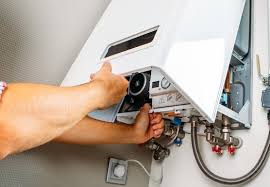
Why timely boiler repair matters in Pickerington, OH
Pickerington experiences below-freezing temperatures several months each year. A failing boiler can quickly affect comfort, freeze pipes, or create unsafe conditions. Addressing problems early preserves boiler lifespan, restores efficiency (and helps control fuel costs), and reduces the risk of more costly failures during peak heating season. Local factors, like older homes with original plumbing and the seasonal cycling of heating systems, make prompt, expert repair especially relevant.
Common boiler problems in Pickerington homes
- No heat or inconsistent heat: Often due to thermostat issues, failed ignition, or a malfunctioning circulator pump.
- Frequent cycling or short cycling: Caused by improper water pressure, a failing aquastat, or thermostat errors.
- Leaking water: From corroded pipes, pressure relief valve failure, or a cracked heat exchanger.
- Strange noises (knocking, banging, gurgling): Air in the system, kettling from scale buildup, or failing pumps.
- Pilot light or ignition failure: Faulty thermocouple, ignition module, or gas valve problems.
- Low pressure or pressure loss: Leaks, faulty expansion tank, or a failing pressure relief valve.
- Poor efficiency or high fuel use: Scale and sediment in older boilers, worn components, or incorrect combustion settings.
Hard water and mineral buildup common in parts of Ohio can accelerate scaling in heat exchangers and reduce efficiency. Freeze-thaw cycles can also stress pipes and seals, increasing leak risk.
Emergency vs scheduled boiler repair
- Emergency boiler repair addresses immediate safety and comfort threats: complete loss of heat during freezing weather, active leaks, or signs of a gas leak or carbon monoxide exposure. Emergency service focuses on stabilization and rapid restoration of safe operation.
- Scheduled repairs are for non-urgent issues such as routine replacement of failing components, recurring inefficiencies, or planned upgrades. These allow time for diagnostic testing and parts sourcing.
Diagnostic and troubleshooting process
Technicians follow a structured diagnostic workflow to identify root causes and avoid unnecessary replacements:
- Initial assessment and history: collect symptoms, recent changes, and operating patterns.
- Visual inspection: check for corrosion, leaks, soot, and condition of visible components.
- Operational checks: measure system pressure and temperature, observe burner ignition, and listen for abnormal noises.
- Electrical and control diagnostics: test thermostats, safety switches, control boards, and sensors for proper function.
- Combustion and venting evaluation: confirm proper combustion efficiency and inspect flues for blockages or exhaust issues.
- Water quality and flow checks: evaluate for scale or air in the system and verify circulator pump operation.
- Leak detection and pressure testing if applicable.
Technicians document findings, explain repair options, and prioritize safety before proceeding.
Typical parts replaced and repair timelines
Common replacement parts and rough timeframes based on typical scenarios:
- Thermostat or controls: usually replaceable same day; diagnostics and programming take a few hours.
- Ignition module, thermocouple, or pilot assembly: often repaired or replaced same day.
- Circulator pump: many can be replaced same day if a compatible pump is in stock; 4 to 8 hours typical.
- Pressure relief valve or expansion tank: same day replacement in most cases.
- Gas valve replacement: can be same day but may require specialized parts; expect several hours.
- Heat exchanger replacement: complex and can require ordering a model-specific exchanger or replacing the boiler; timeline ranges from 1 to 3 days or longer depending on parts and any required permits.
- Zone valve or actuator replacement: typically completed within the day.
Parts availability and the complexity of accessing the unit influence timelines. Emergency stabilization work is prioritized when heat loss or safety hazards are present.
Safety checks after repair
Every repaired boiler should undergo a standardized set of safety checks before returning to regular service:
- Visual confirmation that all connections are secure and no leaks exist
- Pressure and temperature setpoint verification
- Combustion efficiency and CO testing to confirm safe exhaust
- Venting and flue integrity inspection
- Operation of safety devices (pressure relief valve, low-water cutoff, high-limit switches)
- Electrical grounding and control wiring checks
- System purge and air elimination to prevent pump damage and noise
Technicians also document test results and explain any remaining recommendations for ongoing safety and performance.
Warranty and service guarantee information
Reliable repair work is backed by warranties and guarantees that protect parts and labor:
- Most parts come with manufacturer warranties that vary by component (for example, heat exchangers typically carry longer manufacturer coverage than consumables).
- Labor guarantees commonly cover workmanship for a defined period after repair; typical labor warranties range from several months to a year depending on the service provider.
- Service guarantees usually specify that repairs will restore safe and intended function and will address failures of the repaired components within the guarantee period.
Ask for clear, written documentation of what the warranty covers, exclusions, and any maintenance required to keep the warranty valid.
How to prepare for and schedule fast-response service
When seeking fast-response boiler repair in Pickerington, having the following information ready helps dispatch and shortens on-site diagnosis:
- Exact address and unit location in the building
- Description of symptoms, unusual noises, or warning lights
- Whether the issue is ongoing or intermittent and when it began
- Boiler make, model, and approximate age if available
- Any recent service history or parts replaced
For emergency-like conditions (complete heat loss in freezing weather, active water leaks, gas smell, or carbon monoxide alarm), prioritize safety first: evacuate if you suspect gas or CO exposure and contact emergency services as needed. Technicians then confirm the level of urgency and prioritize dispatch accordingly.
Preventive measures post-repair
To reduce the likelihood of repeat breakdowns in Pickerington’s climate, consider seasonal inspections, annual combustion tune-ups, water quality treatment if scaling is present, and timely replacement of worn components. Proper maintenance extends boiler life and improves reliability during the coldest months.
This overview equips homeowners and property managers in Pickerington, OH to understand what to expect from emergency and scheduled boiler repair, how technicians diagnose and fix issues, typical repair parts and timelines, the safety verifications performed after service, and how warranty coverage generally works. Use these details to evaluate repair options and make informed decisions about keeping your heating system safe and reliable.
Hot Deals & Cool Savings

.webp)
New Service Agreement Membership
.webp)
Any New Client Service
Next Service for Referring a New Client
New Service Agreement Membership
Any New Client Service
Next Service for Referring a New Client
.webp)
.webp)

Service Areas
