
Boiler Replacement in Pickerington, OH
Boiler replacement in Pickerington, OH delivers upgrades with expert installation. Learn costs, financing, and request a quote.

Boiler Replacement in Pickerington, OH
Replacing a boiler is a major home investment and an important decision for Pickerington, OH homeowners. Winters in central Ohio bring prolonged cold and freeze-thaw cycles that put extra strain on aging boilers.
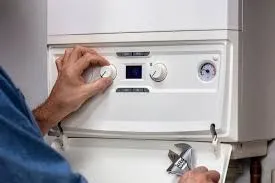
When to replace vs. repair
Choose replacement when one or more of these conditions apply:
- The boiler is older than 12 to 15 years and has declining performance or frequent breakdowns. Older units are less efficient and parts become harder to source.
- Repair costs are recurring or approach the residual market value of a new unit. Ongoing band-aid fixes indicate systemic wear or corrosion.
- The boiler’s efficiency (AFUE) is low and your heating bills are rising relative to similar homes in Pickerington. Upgrading can reduce fuel use and improve comfort.
- The system cannot reliably maintain temperature during Pickerington’s cold snaps, or it cannot support modern zoning controls, smart thermostats, or additions such as a finished basement.
- Safety concerns exist: persistent CO detector alerts, combustion instability, or visible corrosion around combustion areas.
If the issue is a single failed component, minor leak, or routine service need, repair is usually appropriate. A professional evaluation and heat loss assessment will identify whether replacement delivers better long-term value.
Common boiler types and selecting the right one
Pickerington homes use a variety of distribution systems—radiators, baseboard hot water, and in-floor radiant—so matching the boiler to your distribution type is critical.
Primary boiler types:
- Condensing natural gas boilers: High-efficiency (often 90%+ AFUE), best for hot water baseboard and radiant systems if venting and condensate handling are feasible.
- Non-condensing gas boilers: Simpler and sometimes cheaper up front but less efficient; not recommended for long-term energy savings.
- Combi boilers: Combine space heating and domestic hot water in one unit; good for smaller homes or where space is limited.
- Oil or propane boilers: Common on properties without natural gas service; modern oil units are more efficient than older models but fuel availability and cost volatility matter.
- Electric boilers or hybrid heat pump combinations: Viable where electrification is a priority, or gas is unavailable; consider electricity rates and cold-climate performance.
Sizing guidance:
- Always use a professional heat loss calculation based on your Pickerington home’s insulation, window quality, orientation, and square footage. Oversized boilers short cycle and waste energy; undersized boilers cannot meet demand during cold snaps.
- Account for future changes like home additions, finished basements, or improved air sealing when sizing to avoid premature replacement.
Energy-efficiency comparisons and operating savings
Efficiency is measured by AFUE for combustion boilers. Modern condensing boilers and modulating-condensing models recover heat from exhaust gases and can deliver substantial fuel savings compared with pre-2000 units. Typical operating savings depend on boiler age, fuel type, and usage patterns, but homeowners in Pickerington often see meaningful reductions in winter heating costs after upgrading to a high-efficiency unit, especially when paired with proper system controls and zoning.
Factor in:
- Modulating burners and variable-speed pumps for reduced cycling and electricity use.
- Improved controls and zoning to heat only occupied areas.
- Water quality treatment to prevent scale and maintain efficiency over time.
Local climate (cold winters and occasional deep freezes) increases the value of an efficient, reliable boiler that can maintain comfort without excessive fuel consumption.
Removal of the old system
Safe removal includes disconnecting fuel lines, draining and flushing the system, and disposing of the old unit and fluids per local regulations. Older systems may contain asbestos insulation or components that require special handling; professional crews use protective measures and coordinate disposal. If you have an old oil tank or lead-lined components, removal should follow environmental safety protocols.
Professional installation process and quality checks
A typical professional replacement follows these steps:
- Site assessment and load calculation: Verify distribution type, pipe layout, venting options, and any necessary upgrades.
- System design: Choose boiler model, controls, and zone configuration; coordinate with building envelope or plumbing changes.
- Permits and scheduling: Obtain required local permits and inspections.
- Removal and prep: Disconnect and remove old equipment, prep mounting area and venting pathways.
- Installation: Set the new boiler, connect fuel, water, venting, and condensate lines; install controls and safety devices.
- Start-up and commissioning: Pressure test, purge air, balance zones, and verify combustion, venting, and control operation.
- Final inspection: Local inspector verifies code compliance and safe operation.
Installation quality affects efficiency, longevity, and safety. Proper venting, adequate combustion air, and correct piping and pump selection are essential.
Permitting and code compliance
Pickerington installations require applicable building and mechanical permits and inspections. Installations must meet state and local codes for combustion ventilation, venting, gas piping, and electrical connections. Documentation of manufacturer specifications and combustion test results may be required during inspection. Professional installers handle permit submission and ensure the installation passes final inspection.
Financing, incentives, and cost considerations
Replacement projects can be financed through home improvement loans, energy financing programs, or lender offerings tailored to HVAC. Utility companies and government programs sometimes provide rebates, tax incentives, or low-interest financing for high-efficiency equipment. Evaluate total cost of ownership—fuel savings, maintenance, and warranty coverage—when comparing options.
Warranty options and service coverage
New boilers include manufacturer warranties for heat exchangers and components; installers may offer labor warranties or maintenance plans. Extended warranties and annual service agreements help protect against unexpected repair costs and preserve efficiency. Keep documentation and register the equipment to ensure warranty validity.
Expected timeline
A typical boiler replacement timetable:
- Initial assessment and estimate: within a few days to one week.
- Permit approval: varies by municipality but often a few days to two weeks.
- Equipment lead time: same-day to several weeks depending on model availability.
- Installation and commissioning: usually one to three days for straightforward replacements; longer when system reconfiguration, zoning, or additional plumbing is required.
- Final inspection: scheduled after installation; timing varies by local inspector availability.
Maintenance and long-term benefits
After replacement, regular annual service keeps performance and efficiency high. Tasks include combustion testing, flushing or chemical treatment as needed, checking controls and safety devices, and verifying pump and valve operation. Benefits of a properly selected and installed boiler in Pickerington include improved winter comfort, lower fuel use, increased home value, reduced repair frequency, and peace of mind during the cold season.
Choosing replacement over repair is often a long-term decision based on age, efficiency loss, reliability, and system compatibility with modern controls. For Pickerington homeowners, addressing hard water, sizing correctly, and planning for local cold-weather performance are key elements in achieving the best outcome from a boiler replacement.
Hot Deals & Cool Savings

.webp)
New Service Agreement Membership
.webp)
Any New Client Service
Next Service for Referring a New Client
New Service Agreement Membership
Any New Client Service
Next Service for Referring a New Client
.webp)
.webp)

Service Areas
