
Boiler Replacement in New Albany, OH
Replace your boiler with efficient, reliable options in New Albany, OH. Learn more today and explore sizing, permits, and installation options.

Boiler Replacement in New Albany, OH
Replacing a boiler is one of the most effective upgrades a New Albany, OH homeowner can make for comfort, reliability, and energy savings. Cold Ohio winters, fluctuating spring temperatures, and the long-term impact of freeze-thaw cycles make a dependable, properly sized boiler essential.
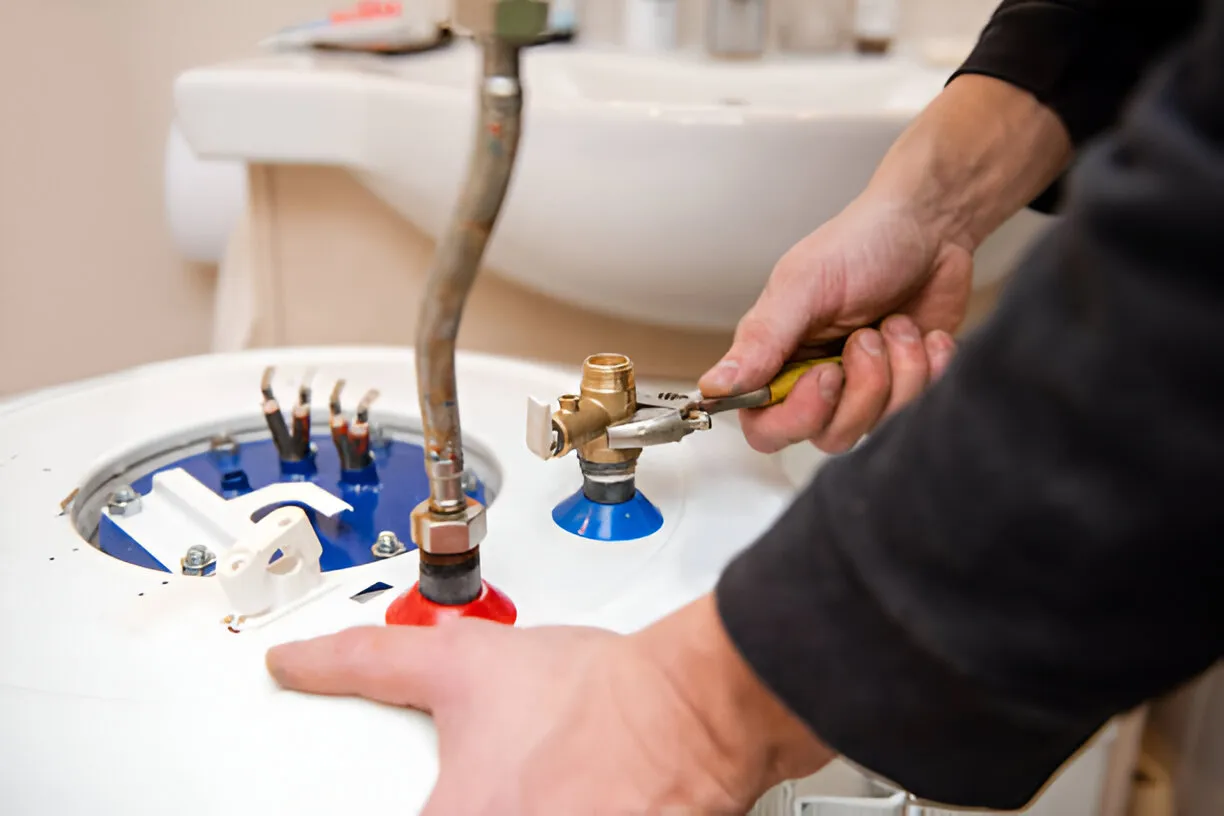
Common signs a boiler needs replacement in New Albany homes
Recognizing the problem early helps avoid midwinter failures, safety risks, and rising heating bills. Look for:
- Frequent breakdowns or high repair frequency — repeated trips from a technician often indicate end-of-life.
- Age and obsolescence — many residential boilers begin to lose efficiency and reliability after 15 to 20 years.
- Rising fuel consumption despite similar usage patterns.
- Uneven heating or cold spots across rooms or floors, which can indicate failing components or poor system performance.
- Corrosion, leaks, or rust on the boiler body, piping, or fittings.
- Strange odors or noises such as kettling, banging, or persistent hissing.
- Pilot or ignition failures on gas-fired models that are not resolved by standard service.
- Difficulty maintaining set temperatures or long recovery periods after heavy use.
Modern, energy-efficient boiler options and comparisons
Choosing the right replacement depends on your home’s layout, fuel type, and efficiency goals. Key modern types include:
- Condensing gas boilers
High-efficiency models that extract additional heat from exhaust gases. Best for homes on natural gas in New Albany looking for lower fuel use and reduced emissions. They require proper venting and a condensate drain. - Modulating-condensing boilers
These adjust output to match demand, reducing short cycling and improving comfort in variable winter conditions typical of central Ohio. - Combi boilers (combination boilers)
Provide space heating and on-demand domestic hot water without a separate hot water tank. Good for smaller homes or where space is limited, but require properly sized piping and adequate flow rates. - High-efficiency electric boilers
An option where electric rates and environmental goals align. They have simpler installations but assess operating costs carefully given energy prices. - Conversion/upgrades to modern cast-iron alternatives or stainless steel heat exchangers
For homes retaining radiators or existing hydronic distribution, newer cast-iron or stainless steel solutions can offer longer life and better corrosion resistance.
Load calculation and proper sizing
Correct sizing is essential. Oversizing leads to short cycling, increased wear, and wasted fuel; undersizing causes discomfort during the coldest New Albany freezes. A professional heat loss calculation typically considers:
- Square footage and ceiling heights
- Insulation levels and window performance
- Air infiltration and local exposure (north-facing walls, rooflines)
- Desired indoor temperatures and distribution type (radiators, baseboards, in-floor hydronic)A qualified technician will perform a room-by-room heat loss (often called Manual J or equivalent for boilers) and then select a boiler size and model that matches that load, accounting for modulation and system losses.
Removal, disposal, and potential hazards
Safe removal of an old boiler includes:
- Draining and disconnecting hydronic lines and fuel sources (gas or oil)
- Proper handling of heavy components and chimney or venting work
- Identification of hazardous materials in older installations, such as asbestos on pipe insulation or old vent liners; these require licensed abatement if present
- Responsible disposal or recycling of the old unit and components, following local regulationsNew Albany properties and local contractors will follow municipal and county disposal rules and coordinate any necessary hazardous material services.
Installation timeline and what to expect
Typical replacement work follows a predictable sequence and often takes 1 to 3 days for straightforward like-for-like swaps. More complex projects that involve switching fuel types, resizing piping, installing new venting, or upgrading controls may take several days to a week. Stages include:
- Onsite assessment and final equipment selection
- Permitting and scheduling inspections
- Old unit removal and site preparation
- Installation of new boiler, controls, and combustion venting
- System fill, air removal, balancing, and startup
- Safety checks and final inspection
Permitting, code compliance, and inspections in New Albany
Boiler replacement must comply with building codes and local ordinances. Typical requirements include:
- A building permit and mechanical or gas permit where applicable
- Inspection of gas connections, combustion venting, and pressure/temperature safety devices
- Compliance with local utility or energy code requirements and any mandatory efficiency standardsWorking with contractors familiar with New Albany and Franklin County inspection processes reduces delays and ensures a compliant installation.
Cost factors and financing options (what affects price)
Rather than fixed pricing, homeowners should evaluate factors that drive cost:
- Equipment type, efficiency level, and brand
- Required changes to venting, piping, or zone controls
- Labor complexity tied to access, location, or structural changes
- Permitting, inspection fees, and any necessary remediation (like asbestos abatement)Financing options commonly used include home improvement loans, equipment financing through specialty lenders, and potential utility or energy efficiency incentives. Discussing finance options with lenders and checking for local rebate programs can make a high-efficiency upgrade more affordable.
Expected energy savings and warranties
Replacing an old non-condensing boiler with a modern condensing or modulating-condensing model typically produces meaningful reductions in fuel use and operating costs. Many homes see a significant improvement in efficiency and comfort; exact savings depend on current equipment, fuel type, and usage patterns. Manufacturer warranties commonly cover parts for a set period, and heat exchanger warranties vary by brand; labor warranties depend on the installer. Ask for written warranty terms that specify parts coverage and any required maintenance to keep warranties valid.
Step-by-step plan for New Albany homeowners considering an upgrade
- Schedule a professional inspection and heat loss assessment to confirm replacement need.
- Review system goals: efficiency, comfort, hot water needs, and long-term reliability.
- Compare suitable boiler types and controls for your home and distribution system.
- Request detailed proposals that include equipment specs, scope of work, permitting, and testing procedures.
- Verify permits and code compliance expectations for New Albany and plan for inspections.
- Confirm removal and disposal plans, including handling of any hazardous materials.
- Review warranty terms and maintenance requirements for the new equipment.
- Plan a maintenance schedule and ask about annual tune-ups to preserve efficiency and warranty coverage.
Replacing a boiler in New Albany, OH is a practical investment in comfort, safety, and energy efficiency. With the right sizing, modern equipment, and compliant installation, homeowners gain more consistent heat through Ohio winters, lower operating costs, and a system built to last.
Hot Deals & Cool Savings

.webp)
New Service Agreement Membership
.webp)
Any New Client Service
Next Service for Referring a New Client
New Service Agreement Membership
Any New Client Service
Next Service for Referring a New Client
.webp)
.webp)

Service Areas
