
Boiler Tune-Up in New Albany, OH
Boiler tune up in New Albany, OH ensures safe, efficient heating. Comprehensive diagnostic, cleaning, and calibration with clear recommendations. Schedule now.

Boiler Tune Up in New Albany, OH
A professional Boiler Tune Up in New Albany, OH ensures your heating system runs safely, efficiently, and reliably through Ohio’s cold months. With winter temperatures that regularly dip below freezing and occasional extended cold snaps, boilers in New Albany face heavy seasonal demand. A thorough tune up addresses performance problems before they cause breakdowns, reduces fuel use, and eliminates common safety risks like carbon monoxide leaks.
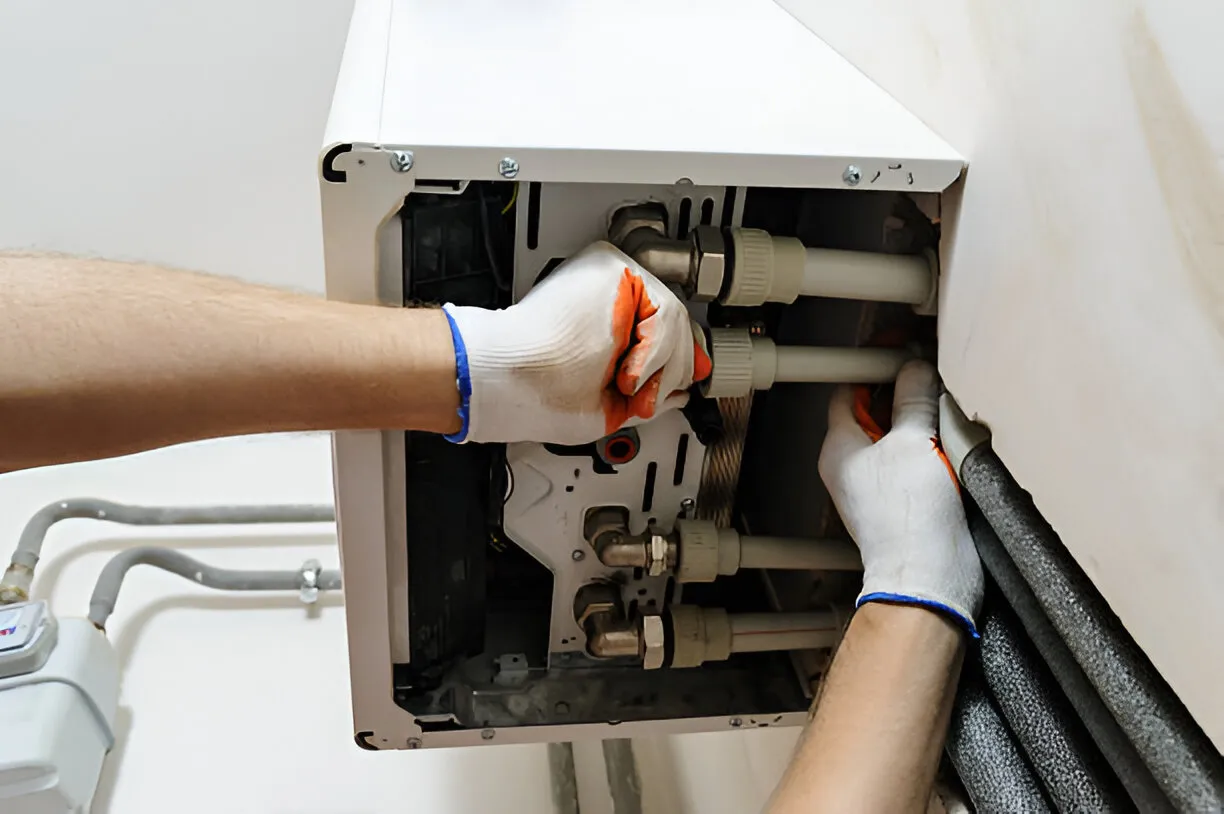
What a professional boiler tune up includes
A comprehensive tune up inspects, cleans, adjusts, and tests every component that affects performance and safety. Key services typically included:
- Combustion and burner cleaning
Cleaning and adjusting burners removes soot and deposits that reduce heat transfer and create inefficient combustion. Technicians tune the air-to-fuel ratio to achieve a stable, blue flame and lower fuel consumption. - Controls and thermostat calibration
Checking and calibrating zone controls, limit switches, and thermostats ensures the system responds correctly to temperature settings and prevents short cycling or overheating. - Flue and venting inspection
Inspect flue pipes, chimney connections, and vent caps for corrosion, blockages, or leaks. Proper venting prevents dangerous combustion gases from entering living spaces. - Combustion efficiency and safety device testing
Using combustion analyzers, techs measure efficiency and CO levels. Safety devices like low-water cutoffs, pressure relief valves, and flame sensors are tested for correct operation. - Leak, pressure, and pump checks
Inspect for water leaks, check system pressures and expansion tanks, verify proper pump operation, and bleed air from radiators or baseboards for balanced heat. - Heat exchanger inspection
Visual and instrument checks for cracks or corrosion in the heat exchanger — a compromised heat exchanger can be unsafe and costly. - Condensate and drain checks (for high-efficiency boilers)
High-efficiency condensing boilers require clean condensate traps and unobstructed drains; tune ups include verifying proper condensate handling. - Detailed service report with recommendations
A clear report documents findings, efficiency metrics, safety test results, and prioritized repair or replacement recommendations to improve reliability and performance.
Common boiler tune up issues in New Albany, OH
New Albany’s climate and regional home types contribute to specific problems technicians often see:
- Scale and mineral buildup — Hard water in the Columbus area can leave scale on heat exchangers, reducing efficiency and raising fuel costs.
- Soot and combustion deposits — Older boilers and systems with infrequent service accumulate soot that degrades combustion quality.
- Flue and chimney corrosion — Freeze-thaw cycles and humid conditions accelerate wear on flue liners and venting components.
- Leaking fittings and gaskets — Thermal cycling causes seals and gaskets to deteriorate, producing low pressure or water loss.
- Control and thermostat drift — Electronic controls can lose calibration over time, leading to uneven heating or unnecessary runtime.
Diagnostic and service process — what to expect
An effective tune up follows a logical diagnostic sequence so issues are found and fixed efficiently:
- Initial visual inspection — Check exterior of boiler, piping, expansion tank, and venting for obvious issues.
- System startup and observation — Start the boiler to observe burner behavior, ignitions, and cycling.
- Combustion analysis — Measure oxygen, CO, and stack temperatures to calculate combustion efficiency.
- Component testing — Test safety devices, pumps, thermostats, zone valves, and pressure controls.
- Cleaning and adjustments — Clean burners and heat exchanger surfaces, adjust air-fuel mixture, and lubricate moving parts as needed.
- Pressure and leak testing — Verify system pressure, fill and expansion performance, and look for slow leaks.
- Final verification and report — Recheck settings, document efficiency improvement, and list recommended repairs or parts.
Typical repairs and solutions found during tune ups
A tune up can reveal problems that are easily fixed during the service or that should be scheduled for repair:
- Replacing worn gaskets and seals to stop leaks and restore proper pressure
- Cleaning or replacing burner components and igniters to restore efficient combustion
- Repairing or replacing a failing circulator pump to restore hot water flow
- Adjusting or replacing thermostats and controls for consistent comfort and reduced cycling
- Repairing flue connections or adding venting insulation to prevent backdrafting and improve safety
- Flushing or descaling the heat exchanger in systems affected by hard water
Each repair improves reliability, reduces emergency calls on the coldest nights, and extends the useful life of the boiler.
When to schedule a tune up and how often
- Annual tune up before the heating season — The best time in New Albany is late summer or early fall, before sustained furnace or boiler use begins. That timing gives time to address recommended repairs before winter.
- After long idle periods — If your boiler has not been used for months, an out-of-season check helps avoid failures when you restart the system.
- If you notice warning signs — Schedule service if you see yellow flames, soot, higher fuel bills, water around the boiler, unusual noises, or frequent short cycling.
Simple maintenance tips for New Albany homeowners
- Keep the boiler area clean and free of storage or debris to maintain airflow and service access.
- Install and test carbon monoxide detectors near sleeping areas and in the boiler room.
- Check visible piping and radiators for leaks and bleed stray air from radiators to improve heat distribution.
- Insulate exposed pipes in unheated spaces to reduce freeze risk during hard freezes.
- Monitor energy bills and indoor comfort — sudden changes often point to a system issue.
Hot Deals & Cool Savings

.webp)
New Service Agreement Membership
.webp)
Any New Client Service
Next Service for Referring a New Client
New Service Agreement Membership
Any New Client Service
Next Service for Referring a New Client
.webp)
.webp)

Service Areas
