
Heat Pump Maintenance in Hilltop, OH
Heat pump maintenance in Hilltop, OH keeps systems efficient year-round. Schedule spring and fall tune-ups, learn about recommended service plans today.

Heat Pump Maintenance in Hilltop, OH
Keeping your heat pump in top condition is essential for reliable year-round comfort in Hilltop, OH. Regular maintenance reduces energy use, extends equipment life, and cuts the chance of emergency breakdowns during cold snaps or heat waves.
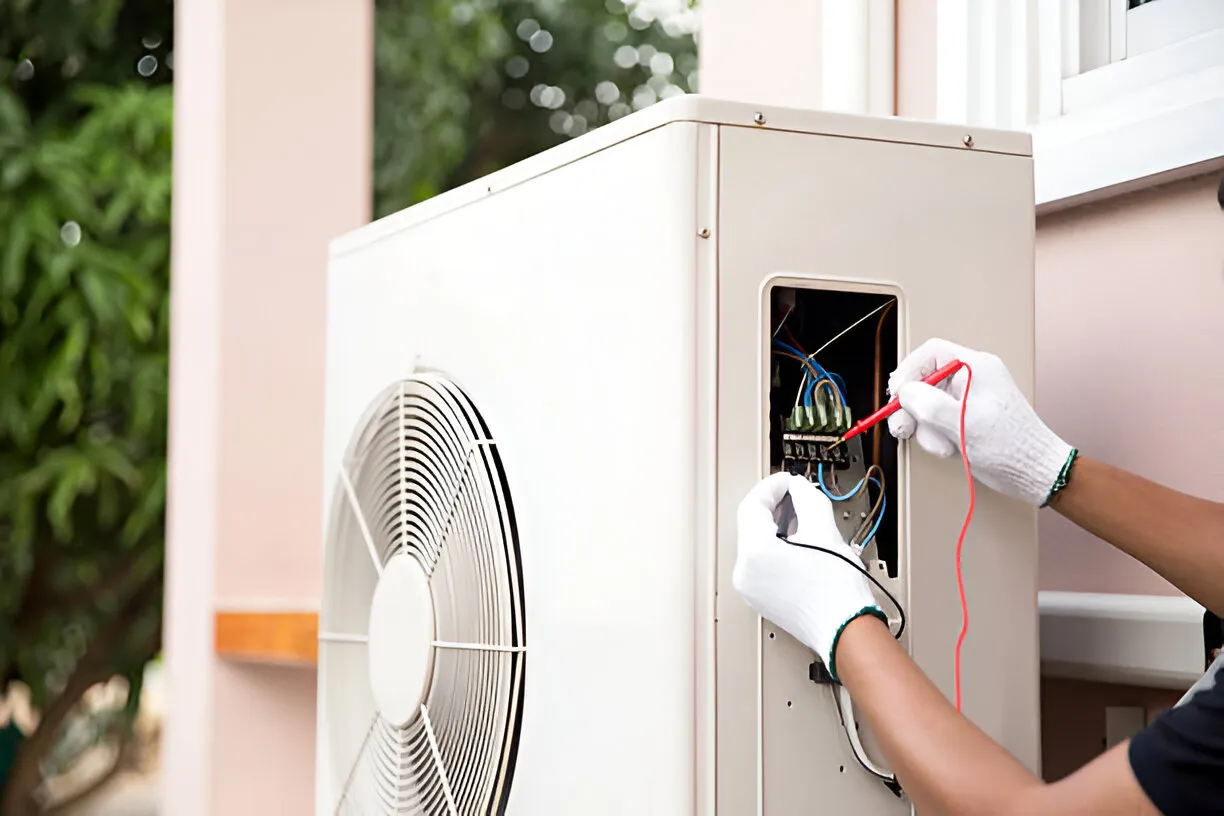
Why timely heat pump maintenance matters in Hilltop, OH
Hilltop experiences cold, sometimes icy winters and warm, humid summers. Heat pumps run as both heating and cooling systems here, so they face a wider range of stress than seasonal-only equipment. Local conditions that make maintenance especially important:
- Winter freeze-thaw cycles and road salt can speed corrosion of outdoor coils and fasteners.
- Summer humidity and tree pollen increase filter and coil fouling, reducing airflow and efficiency.
- Frequent temperature swings lead to more defrost cycles, affecting refrigerant balance and reversing valves.Regular service keeps the heat pump running efficiently, reduces utility costs, and helps avoid emergency repairs at the worst possible times.
Seasonal inspection checklists
Performing targeted checks before the heating and cooling seasons catches problems early. Below are practical checklists for Hilltop homes.
Spring checklist (prepare for cooling season)
- Inspect and replace or clean filters.
- Clean outdoor unit: remove leaves, pollen, and debris; clear 2 feet of space around the unit.
- Check refrigerant levels and look for visible leaks.
- Inspect condenser coils for dirt or damage; clean as needed.
- Verify fan motor operation and blade condition.
- Test thermostat operation and cooling setpoints.
- Flush condensate drain and check drain pan for clogs or standing water.
- Check electrical connections for tightness and signs of wear.
Fall checklist (prepare for heating season)
- Replace or clean filters.
- Test reversing valve and defrost cycle performance.
- Inspect indoor coils and blower assembly for dust buildup.
- Check refrigerant charge and pressure readings.
- Measure temperature split to confirm proper heating output.
- Inspect outdoor unit for corrosion from salt or chemicals.
- Test safety controls and compressor startup current.
- Examine ductwork for leaks that can reduce heating capacity.
Standard maintenance procedures explained
Routine work focuses on cleaning, inspection, testing, and small adjustments that restore factory performance without unnecessary complexity.
Filters and airflow
- Replace disposable filters or clean reusable filters. Clogged filters are the most common cause of poor performance and increased energy use.
- Measure static pressure or visually inspect airflow through registers. Poor airflow often points to filter, coil, or duct issues.
Coil cleaning
- Clean indoor evaporator and outdoor condenser coils using manufacturer-approved cleaners to restore heat transfer efficiency.
- Straighten bent fins and remove debris from coil surfaces. Improved coil condition can recover several percentage points of efficiency.
Refrigerant check
- Verify refrigerant charge with proper gauges and temperature-split testing. Both overcharge and undercharge reduce efficiency and increase wear.
- Inspect lines and connections for oil stains or corrosion that suggest leaks. Small leaks left unchecked become major failures.
Electrical and mechanical inspection
- Tighten and inspect electrical connections, capacitors, contactors, and relays. Loose connections cause arcing and premature component failure.
- Measure motor amperage and compare to manufacturer specifications to detect motor or bearing wear.
- Lubricate fan and motor bearings where applicable.
Condensate and drain maintenance
- Flush condensate drains and clean drain pans to prevent clogs and microbial growth that cause odors and water damage.
- Verify proper slope and drainage from the indoor coil to the condensate outlet.
Performance testing
- Run cooling and heating cycles to measure temperature differentials, defrost cycle timing, and runtime behavior.
- Use true-root-cause diagnostics: temperature split, suction/discharge pressures, and electrical load readings identify subtle issues before they become failures.
Safety precautions
- All electrical work should be performed with the appropriate disconnect and meter testing. Technicians should follow safety protocols to prevent shocks and equipment damage.
Recommended maintenance frequency for Hilltop homes
- Minimum: Annual comprehensive inspection and tune-up. This meets many manufacturer warranty requirements.
- Best practice for heat pumps in mixed climates like Hilltop: Twice per year (spring and fall). Because heat pumps handle both heating and cooling, a biannual visit ensures both modes are optimized and minimizes seasonal surprises.
- High-use or older systems: Consider quarterly checks if the unit is past its expected service life or if the home has indoor air quality or dust issues.
How maintenance reduces emergency breakdowns
Regular inspections and proactive repairs eliminate the small faults that escalate into failures. Examples:
- Tightened electrical connections prevent compressor burnout and motor shorts.
- Correct refrigerant charge keeps the compressor operating within safe parameters and avoids overheating.
- Clean coils and adequate airflow reduce frost buildup and excessive defrost cycles that can cause compressor stress.
- Routine lubrication and bearing checks stop noisy, worn motors from seizing unexpectedly.Taken together, these steps reduce the likelihood of emergency calls during cold nights or heat waves when repair times can be longer and consequences more severe.
Service plan options for Hilltop homeowners
Service plans can be structured to match your home’s needs and budget while delivering predictable maintenance outcomes. Typical plan tiers include:
- Seasonal tune-up plan: One visit in spring and one in fall that covers filter checks, coil cleaning, refrigerant checks, basic electrical inspections, and performance testing.
- Annual comprehensive plan: Full system inspection once per year with expanded diagnostics, refrigerant verification, and priority scheduling for parts replacement.
- Premium maintenance plan: Biannual visits plus added benefits such as seasonal system performance reports, priority scheduling, and preventive parts replacement recommendations for aging components.
- Diagnostic and repair add-ons: Flat diagnostic checks that integrate with plan visits, with documented findings and recommended timing for any needed repairs.
Long-term benefits and maintenance tips
- Energy efficiency: Well-maintained heat pumps use less electricity, keeping utility bills lower.
- Extended equipment life: Routine care delays costly replacements by preventing corrosive damage and mechanical wear.
- Consistent comfort: Properly tuned systems maintain steady temperatures and humidity control.
- Warranty protection: Many manufacturers require recorded annual maintenance to maintain warranty coverage.
Practical homeowner maintenance tips
- Replace or clean filters monthly during heavy-use seasons.
- Keep at least 2 feet of clearance around the outdoor unit and remove visible debris.
- Monitor your system for unusual noises, long runtimes, or changes in comfort and note them for technicians.
- Track maintenance dates and saved service reports to preserve warranty compliance and resale value.
Regular heat pump maintenance tailored to Hilltop’s seasonal stresses protects your comfort and investment while reducing costly emergency breakdowns. Properly timed inspections, thorough cleaning, and accurate diagnostics keep your system operating efficiently through Ohio winters and humid summers.
Hot Deals & Cool Savings

.webp)
New Service Agreement Membership
.webp)
Any New Client Service
Next Service for Referring a New Client
New Service Agreement Membership
Any New Client Service
Next Service for Referring a New Client
.webp)
.webp)

Service Areas
