
Heat Pump Maintenance in Powell, OH
Heat pump maintenance in Powell, OH offers seasonal tune-ups, flexible plans, and preventive care to boost efficiency and reliability.

Heat Pump Maintenance in Powell, OH
Keeping your heat pump tuned and reliable is especially important for Powell, OH homes where humid summers and cold, changeable winters demand consistent heating and cooling performance. Regular heat pump maintenance reduces energy bills, prevents mid-season breakdowns, preserves indoor comfort, and helps protect equipment warranties.
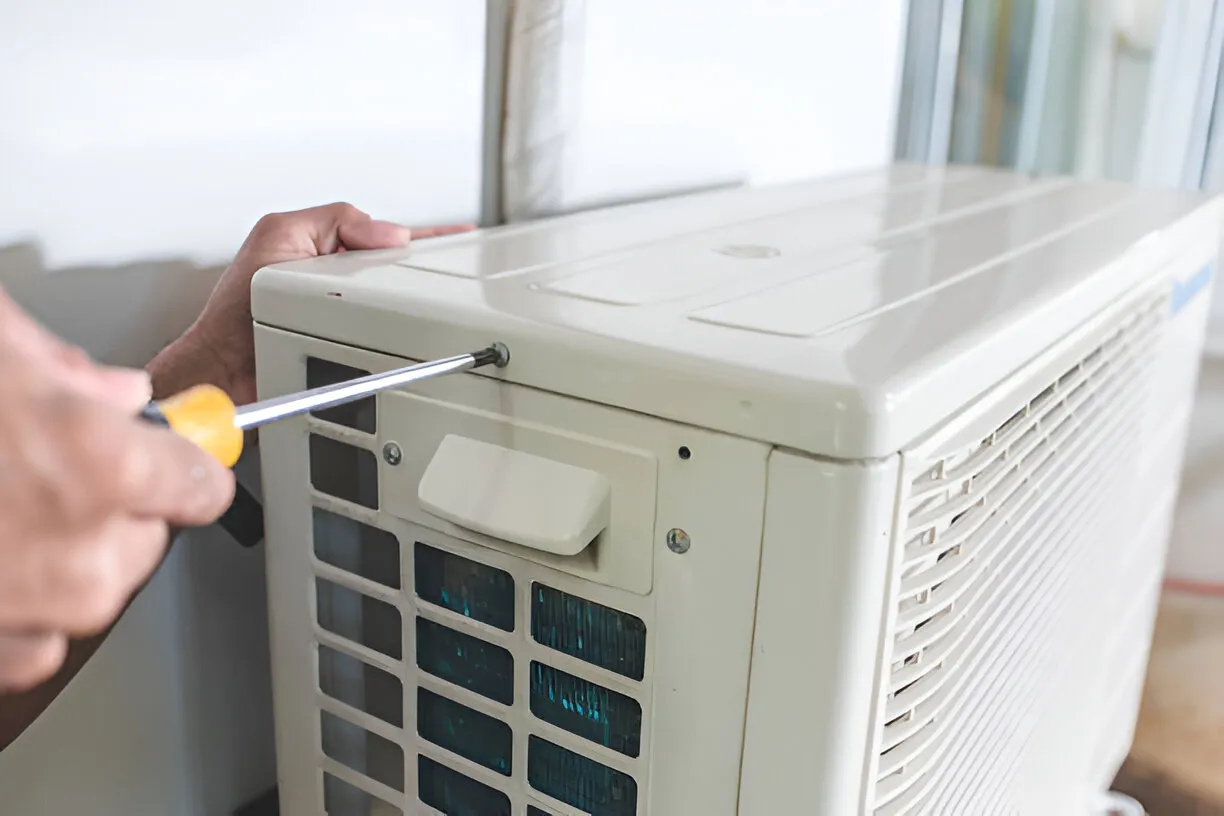
Why maintenance matters for Powell, OH homes
Powell experiences hot, humid summers and winters that can alternate between mild and sharply cold. That variability stresses heat pump components year round. Common local factors that increase the need for proactive care:
- High summer humidity and tree pollen that clog coils and filters, reducing cooling capacity.
- Cold snaps and freeze-thaw cycles that can cause ice buildup or stress defrost controls in winter.
- Seasonal vegetation and wildlife that can obstruct outdoor units or damage wiring.Routine maintenance accounts for these local challenges and keeps systems running efficiently when you need them most.
Common heat pump maintenance issues in Powell, OH
Understanding typical problems helps homeowners see the value of tune-ups:
- Reduced airflow from dirty filters, blocked vents, or failing blower motors.
- Dirty evaporator or condenser coils that lower efficiency and increase run time.
- Refrigerant leaks producing poor heating or cooling and higher energy use.
- Electrical wear: loose connections, failing capacitors, or contactor problems.
- Defrost system faults and reversing valve issues that impact winter performance.
- Thermostat calibration drift causing uneven temperatures or short cycling.
What a seasonal tune-up includes
A comprehensive seasonal tune-up follows a systematic checklist to find and fix small issues before they become failures. Typical tasks performed during a heat pump maintenance visit:
- Visual inspection of indoor and outdoor unit for physical damage, debris, and animal nesting.
- Filter inspection and replacement or cleaning as needed.
- Condenser and evaporator coil cleaning to restore heat transfer efficiency.
- Refrigerant check: verify levels and look for signs of leaks.
- Electrical inspection: tighten connections, test capacitors, contactors, and breakers.
- Compressor performance test and amp draw measurement.
- Defrost cycle and reversing valve check for proper winter operation.
- Blower motor and belt inspection; airflow measurement and duct check for obstructions.
- Thermostat calibration and control system verification.
- Safety checks including float switch, disconnects, and grounding.
- Condensate drain cleaning to prevent overflow and mold issues.
- Detailed service report and recommended repairs or parts replacements.
Diagnostics and how technicians work
Technicians follow a methodical diagnostic process to isolate issues and recommend solutions:
- Start with performance history and homeowner observations (noise, runtime, uneven temperatures).
- Run system through heating and cooling cycles to observe operation and capture live measurements.
- Use diagnostic tools: refrigerant gauges, multimeters, and airflow meters to quantify problems.
- Prioritize repairs that restore safe and efficient operation, replacing worn parts like capacitors or contactors when necessary.
- Verify repairs by rechecking system pressures, electrical readings, and thermostat response.A tune-up focuses on preventive adjustments and small repairs to avoid emergency service during extreme weather.
Maintenance programs and service plan options
Planned maintenance yields the best value. Typical service plan elements that benefit Powell homeowners:
- Seasonal tune-ups scheduled in spring for cooling and fall for heating.
- Filter change schedules based on filter type and household factors such as pets or allergy sufferers.
- Priority appointment windows during peak seasons to avoid long delays.
- Maintenance records and inspection reports useful for warranty compliance and resale value.
- Optional add-ons such as air quality services, extended component checks, or parts discounts.Service plans deliver predictable upkeep that prevents sudden failures and keeps operating costs lower over time.
Benefits of preventive heat pump maintenance
Consistent maintenance produces measurable advantages:
- Improved efficiency: clean coils and correct refrigerant levels reduce energy consumption.
- Lower risk of breakdowns: worn parts are identified and addressed before failure.
- Extended equipment life: routine care minimizes wear on compressors and fans.
- Better indoor comfort: accurate airflow and thermostat calibration deliver consistent temperatures.
- Health and safety: clean drains and filters reduce mold, and safety checks prevent electrical hazards.
- Cost predictability: preventing major failures avoids costly emergency repairs and premature replacement.
How often to schedule maintenance and what to watch for
Recommended schedule:
- Seasonal tune-up twice a year: spring for cooling, fall for heating performance verification.
- Filter inspection and replacement every 1 to 3 months depending on filter type, number of occupants, pets, and indoor air quality needs.Signs you should book a maintenance visit:
- Higher than normal energy bills without a change in use.
- Increased runtime or frequent cycling.
- Weak heating or cooling output, or uneven room temperatures.
- Unusual noises, odors, or visible corrosion and ice buildup on the outdoor unit.
- Frequent tripping of breakers or error codes on the thermostat.
Preventive maintenance is an investment that pays off in comfort, reliability, and lower lifetime operating costs. For Powell, OH homes facing seasonal humidity, pollen, and temperature swings, a consistent maintenance program ensures your heat pump delivers safe, efficient performance year round.
Hot Deals & Cool Savings

.webp)
New Service Agreement Membership
.webp)
Any New Client Service
Next Service for Referring a New Client
New Service Agreement Membership
Any New Client Service
Next Service for Referring a New Client
.webp)
.webp)

Service Areas
