
Heat Pump Tune-Up in Powell, OH
Heat pump tune up in Powell, OH boosts comfort and efficiency. Schedule service now for inspection and preventive maintenance.

Heat Pump Tune Up in Powell, OH
A professional heat pump tune up in Powell, OH ensures your system delivers dependable comfort and efficient operation through hot, humid summers and cold Ohio winters. Powell homeowners face seasonal extremes that stress heat pump components: high summer humidity that fouls coils and filters, spring pollen that clogs intake screens, and winter freeze-thaw cycles that challenge defrost systems. A focused tune up targets the most common causes of reduced performance and premature failure so your heat pump runs cleaner, uses less energy, and requires fewer emergency repairs.
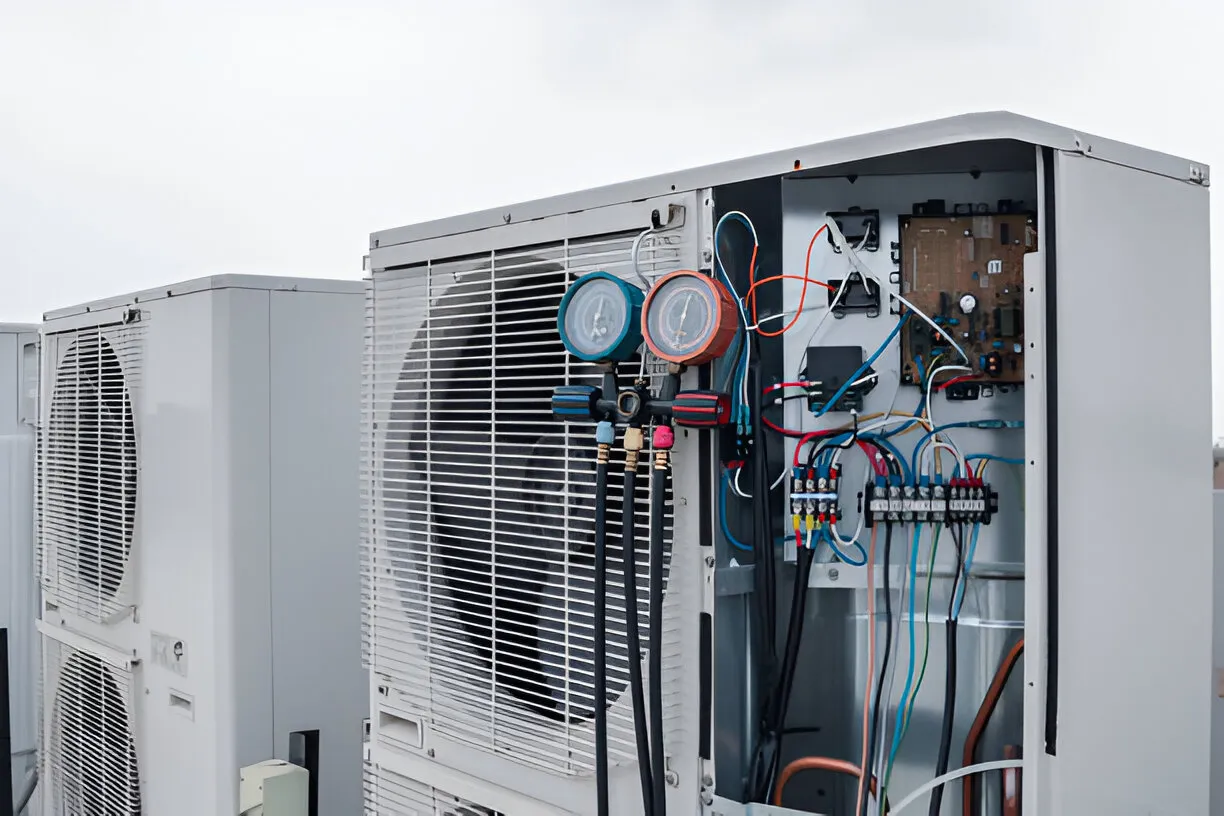
Why a Heat Pump Tune Up Matters in Powell, OH
Powell experiences both heavy cooling demand in summer and sustained heating demand in winter. When coils, fans, refrigerant charge, or electrical components are out of spec, the heat pump works harder, costs more to operate, delivers uneven comfort, and is more likely to fail during extreme weather. A tune up:
- Restores efficiency so your system uses less electricity for the same comfort
- Reduces the risk of mid-season breakdowns when local HVAC pros are busiest
- Improves indoor comfort and consistent temperature control across rooms
- Helps identify refrigerant leaks and electrical issues before they become costly repairs
Common Heat Pump Issues in Powell, OH
Local weather and landscape contribute to predictable problems that technicians find during tune ups:
- Low airflow from dirty filters, pollen, or obstructed vents, leading to poor performance
- Dirty condenser and evaporator coils from summer humidity and spring pollen
- Refrigerant charge that is low due to slow leaks, reducing capacity and efficiency
- Worn motors, fan bearings, and unlubricated moving parts causing noise and increased energy use
- Electrical issues such as loose connections, failing capacitors, and contactor wear
- Thermostat calibration or sensor problems causing cycling or wrong setpoint behavior
- Defrost cycle malfunctions or reversing valve problems that reduce winter heating ability
What a Typical Tune Up Covers
A professional tune up is a focused visit that follows a clear checklist so nothing important is missed. A full tune up for Powell homes usually includes:
- Visual inspection of the indoor and outdoor units for obvious damage or debris
- Refrigerant level verification and leak assessment to ensure charge matches manufacturer specifications
- Electrical inspection including tightening connections, testing capacitors, contactors, and breakers for safe operation
- Lubrication of accessible motors and bearings to lower friction and extend component life
- Cleaning coils and filters: removing pollen, dust, and grime that reduce heat transfer
- Verifying thermostat operation and controls including setpoints, scheduling features, and sensor accuracy
- Airflow assessment: checking filters, return grills, and basic duct conditions so the system can move the required air
- Performance testing: measuring temperature split, current draw, and system pressures to quantify condition
- Defrost and reversing valve checks for reliable winter operation
- A concise performance report and recommendations that lists measurements, status of key components, and suggested repairs or scheduled follow ups
Technicians use gauges, multimeters, and temperature readings to produce objective data, not just visual checks. That data helps you understand system health in plain terms and prioritize fixes.
Measurable Benefits of Regular Tune Ups
A tune up is an investment that pays back through better performance and fewer surprises. Typical, measurable improvements include:
- Improved energy efficiency: tune ups commonly restore 5 to 15 percent of lost system efficiency, depending on pre-tune condition
- More consistent comfort: corrected airflow and thermostat calibration reduce hot or cold spots
- Longer equipment life: reducing mechanical and electrical stress delays component failure and extends system life
- Fewer emergency repairs: identifying worn parts early prevents expensive mid-winter or mid-summer breakdowns
- Better indoor air quality: cleaner coils and filters reduce dust and allergen circulation, a notable benefit in high-pollen seasons
Recommended Frequency for Powell Homes
Because Powell sees both high cooling loads and cold winters, timing matters. For most heat pumps we recommend:
- A thorough tune up at least once annually as a baseline
- Preferably two seasonal tune ups per year - spring before cooling season and fall before heating season - to catch seasonal issues like coil fouling and defrost readiness
Twice-yearly checks are especially valuable if you have an older system, live in a home near trees that drop pollen or leaves, or if you rely on your heat pump as the primary heat source during Ohio winters.
Homeowner Tasks Between Tune Ups
You can extend the benefits of professional maintenance with simple checks:
- Replace or clean air filters every 1 to 3 months during heavy use
- Keep the outdoor unit free of leaves, grass clippings, and snow; maintain 18 to 24 inches of clearance
- Ensure vents and returns inside the home are not blocked by furniture or draperies
- Check thermostat batteries and settings seasonally
- Note unusual noises, reduced airflow, or rising energy bills and document when they started so technicians have a clear history
What to Expect After a Tune Up
After a comprehensive heat pump tune up in Powell, OH you should notice steadier temperatures, quieter operation, and more consistent energy use. The performance report will explain any abnormalities discovered, the readings taken, and recommended next steps if repairs or refrigerant work are needed. Regular tune ups make seasonal transitions smoother and reduce the likelihood of costly emergency service when temperatures become extreme.
Hot Deals & Cool Savings

.webp)
New Service Agreement Membership
.webp)
Any New Client Service
Next Service for Referring a New Client
New Service Agreement Membership
Any New Client Service
Next Service for Referring a New Client
.webp)
.webp)

Service Areas
