
Heat Pump Replacement in Downtown Columbus, OH
Downtown Columbus heat pump replacement: expert installation for urban homes and multi-family buildings. Boost comfort and energy savings.

Heat Pump Replacement in Downtown Columbus, OH
Replacing a full heat pump system is one of the most impactful upgrades a Downtown Columbus home or multi-family building can make for comfort, energy bills, and indoor air quality. Whether you live in an older rowhouse, a mid-rise condo, or a renovated commercial space, a professionally managed heat pump replacement ensures the new system is properly sized, installed, and integrated with your existing ductwork and controls — and tailored to the specific climate challenges of Columbus, including hot, humid summers and cold winter snaps.
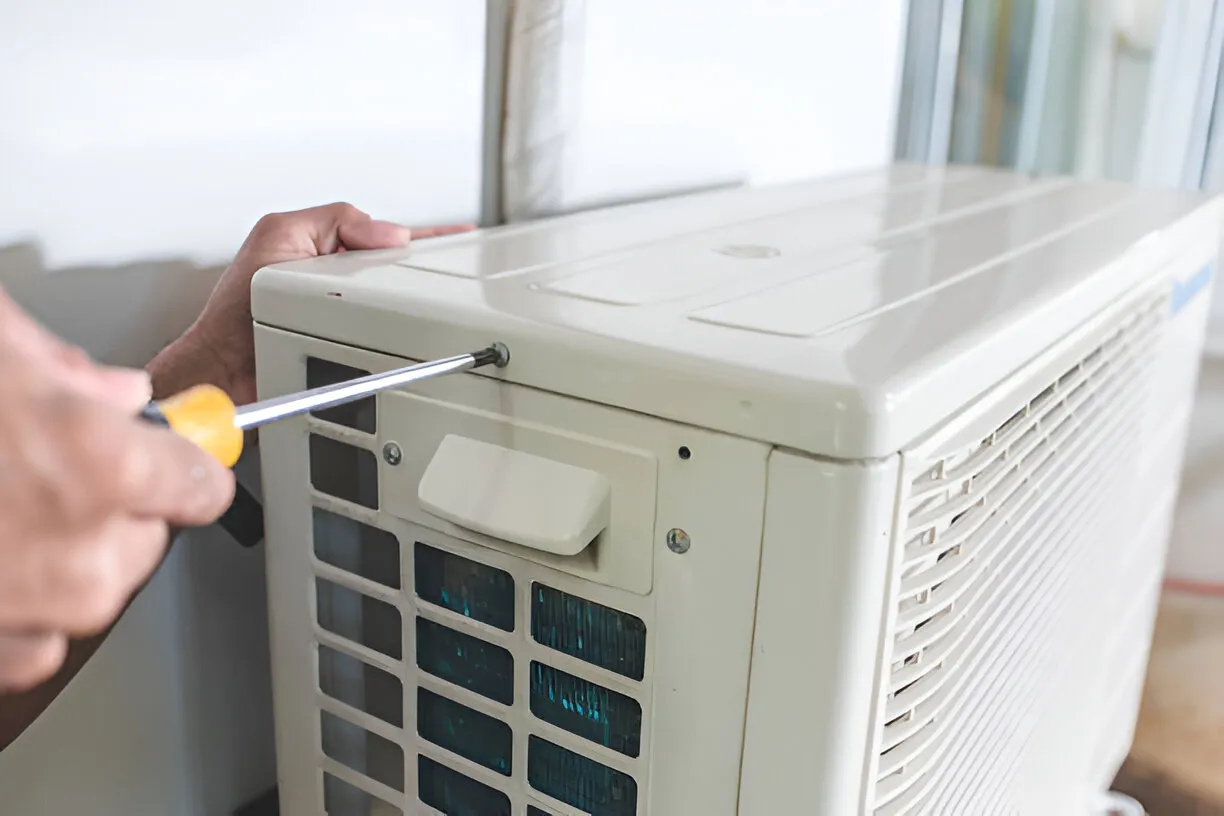
Why replacement matters in Downtown Columbus homes
- Older or failing heat pumps lose efficiency, struggle during sudden cold spells, and can drive up utility bills in the city where electric rates and seasonal demand vary.
- Urban properties often face space constraints and noise restrictions, so selecting compact, quiet outdoor units matters.
- Many downtown buildings have older ductwork, limited outdoor placement options, or shared mechanical systems that require careful planning to avoid airflow and code issues.
If your system is more than 10 to 15 years old, needs frequent repairs, or fails to keep the home comfortable, a full-system replacement typically delivers the best long-term performance and cost savings.
Common heat pump replacement scenarios in Downtown Columbus
- Complete swap of an aging air-source heat pump with a modern high-efficiency unit
- Conversion from a split gas furnace and AC setup to an all-electric heat pump system for heating and cooling
- Replacement in tight urban yards or rooftops requiring compact or low-noise outdoor units
- Multi-zone upgrades in rowhouses and condo units to improve comfort and reduce shared-system conflicts
- Ductwork upgrades or conversion to ductless mini-splits when ducts are undersized or impractical
Site assessment and load calculations
A thorough site assessment is the foundation of a successful replacement. On-site work includes:
- Visual inspection of the current system, ductwork, thermostat, and outdoor unit location
- Measurement of the conditioned space, insulation levels, window orientation, and sources of heat loss
- Performing a Manual J load calculation or equivalent to determine exact heating and cooling loads — not estimating by square footage alone
- Evaluating duct condition and static pressure to determine if repairs or a redesign are needed
- Checking electrical service and disconnects, available space for outdoor equipment, and local code or historic district constraints
Accurate load calculations prevent under- or oversized systems, both of which reduce efficiency and comfort.
Recommendations for energy-efficient models and correct sizing
- We focus on recommending heat pump models with proven seasonal performance for both cooling and low-temperature heating. Look for higher SEER and HSPF ratings for cooling and heating efficiency; in colder months consider systems with strong low-ambient performance.
- Sizing is based on the load calculation: a correctly sized unit runs efficiently and cycles less, reducing wear and improving humidity control.
- For Downtown Columbus installations, consider low-noise models, variable-speed compressors, and multi-stage units that modulate to match urban comfort needs and reduce neighbor disturbance.
- Where ductwork is problematic, recommend ductless mini-splits or multi-zone systems to deliver efficient heating and cooling without major renovations.
Removal of old equipment and disposal
Full-system replacement includes safe removal and disposal of the old outdoor unit, air handler, and associated components. Proper steps:
- Recover refrigerant per federal and state regulations
- Disconnect and remove equipment with minimal disturbance to the property
- Recycle metal and electronics and provide documentation of proper disposal when required
- Prepare site for new unit placement, often adapting to limited rooftop or courtyard spaces in downtown properties
Professional installation steps and expected timeline
Typical installation process and what to expect:
- Final scheduling and pre-install checklist: confirm permits, access, and materials — 1 to 3 days
- Old equipment removal and site prep — day 1 of installation
- Installation of new outdoor unit, indoor air handler or coils, refrigerant line sets, electrical connections, and thermostat wiring — day 1 to day 2 depending on complexity
- Ductwork repairs or modifications, condensate and ventilation adjustments — concurrent or next day
- System charging, balancing, and startup — final step on installation day
- Post-install testing and walkthrough — same day
Most single-family installations are completed in 1 to 3 days. Complex multi-unit or duct conversion projects may take longer. Permitting timelines for Downtown Columbus can add a few days depending on scope.
Post-installation testing and warranties
After installation we perform a full startup and testing sequence:
- Verify proper refrigerant charge, airflow, and static pressure
- Confirm thermostat calibration, controls, and zoning operation
- Test heating performance at lower outdoor temperatures to validate low-ambient operation
- Check noise and vibration levels, roof or pad mounting, and condensate management
- Provide documentation of system settings, maintenance intervals, and any changeover procedures
New systems carry manufacturer warranties on compressors and parts, and many installations include workmanship guarantees. Keep warranty paperwork and service records to preserve coverage.
Financing and local rebate options
Replacing a full heat pump is an investment. In Downtown Columbus, homeowners often have access to:
- Utility rebates and incentives for high-efficiency equipment or electrification upgrades
- State or local programs that encourage reduced fossil fuel use in buildings
- Flexible financing options through lenders or energy-efficiency financing programs
We recommend checking current utility and municipal programs before purchase to capture available rebates. Typical programs require pre-approval or proof of qualification, and rebates are often tied to specific efficiency levels or qualified installers.
Expected efficiency and cost-savings comparisons
- Replacing an outdated heat pump or a fossil gas furnace with a modern high-efficiency heat pump typically results in noticeable energy savings. Typical reductions in heating and cooling energy use range from 20 percent to as much as 40 percent versus older equipment, depending on climate, use patterns, and system selection.
- Savings are greater when combined with improved duct sealing, thermostat controls, and basic insulation or air-sealing upgrades common in older Downtown Columbus buildings.
- Beyond utility savings, benefits include more consistent indoor comfort, improved humidity control during humid Columbus summers, and lower maintenance and repair costs over time.
Maintenance and long-term benefits
- Schedule annual tune-ups for refrigerant checks, airflow verification, coil cleaning, and system software updates where applicable.
- Replace or clean filters regularly and keep outdoor units clear of debris or snow in winter.
- Consider a smart or programmable thermostat to optimize runtime and reduce wasted energy during unoccupied periods.
Long-term benefits include reduced operational costs, fewer emergency repairs, lower carbon footprint, and increased property comfort and value.
Hot Deals & Cool Savings

.webp)
New Service Agreement Membership
.webp)
Any New Client Service
Next Service for Referring a New Client
New Service Agreement Membership
Any New Client Service
Next Service for Referring a New Client
.webp)
.webp)

Service Areas
