
Heat Pump Replacement in Grove City, OH
Upgrade to a high-efficiency heat pump in Grove City, OH. Learn when replacement is right, expected savings, and how to install.

Heat Pump Replacement Grove City, OH
Replacing a failing heat pump is a major home decision that affects comfort, energy bills, and long-term reliability. For Grove City, OH homeowners, a properly sized, high-efficiency heat pump improves indoor comfort through hot, humid summers and cold, changeable winters while cutting utility costs and reducing risk of mid-winter breakdowns.
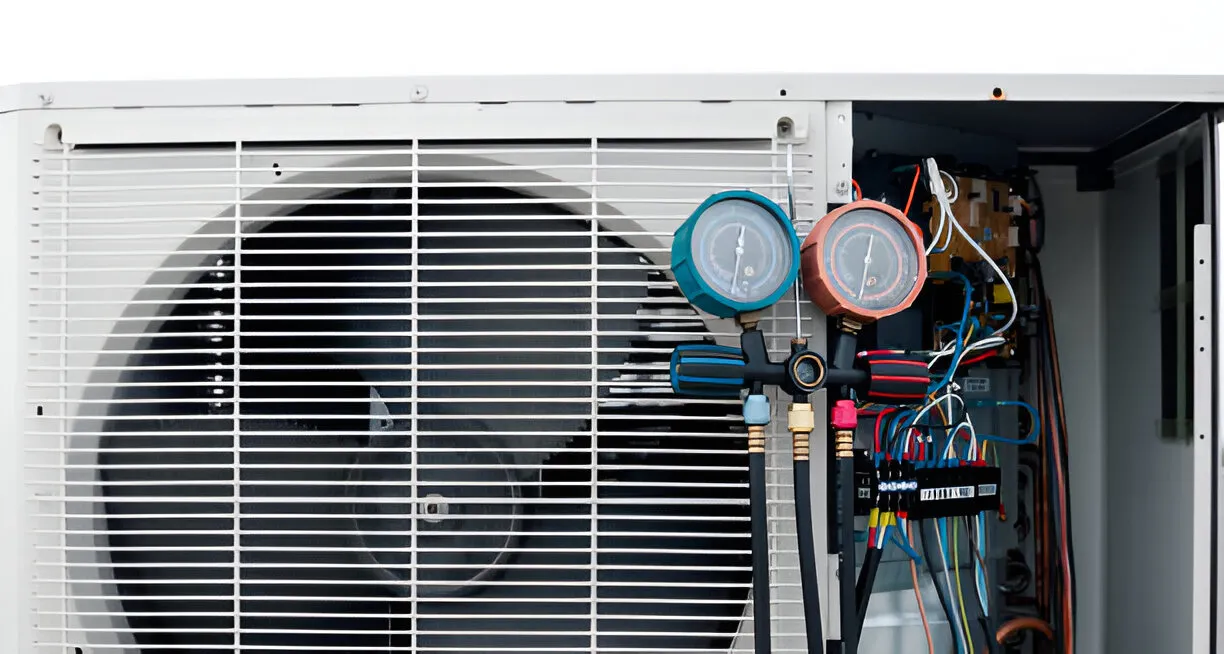
Common signs your heat pump should be replaced in Grove City, OH
Recognizing the right time to replace avoids emergency failures at the worst times of year. Common replacement indicators include:
- Age over 10 to 15 years - Most heat pumps lose efficiency and reliability after a decade; older systems often use outdated refrigerants.
- Rising energy bills despite similar use - A marked, unexplained increase in heating or cooling costs usually signals reduced system efficiency.
- Frequent repairs - When annual repair bills approach the value of a replacement, replacement becomes the more economical choice.
- Uneven temperatures and poor humidity control - Older or undersized systems struggle to maintain consistent comfort in Grove City's humid summers and cold snaps.
- Short cycling or noisy operation - These symptoms point to compressor strain or airflow problems that often justify replacement.
- Refrigerant concerns - Systems using phased-out refrigerants may be costly to recharge or repair and are good candidates for replacement.
Benefits of modern high-efficiency heat pumps
Upgrading to a new heat pump delivers immediate and long-term benefits tailored to central Ohio conditions:
- Lower energy bills - New units with higher SEER and HSPF ratings use less electricity to heat and cool.
- Improved comfort - Variable-speed compressors and better airflow reduce hot/cold spots and improve humidity control during Grove City summers.
- Better cold-weather performance - Cold-climate heat pumps maintain capacity at lower outdoor temperatures than older models.
- Quieter, smoother operation - Advances in compressor technology and sound-dampening make modern systems less intrusive.
- Environmental benefits - New refrigerants and higher efficiency reduce greenhouse gas impact.
- Increased home value and marketability - A modern HVAC system is attractive to buyers and appraisers.
Equipment selection and proper sizing (load calculations)
A correct replacement starts with accurate sizing and equipment selection, not simply matching the old unit.
- Load calculation (Manual J) - This calculation measures your home’s heating and cooling needs based on square footage, insulation, window orientation, air infiltration, and local design temperatures for Grove City, OH.
- Equipment selection (Manual S) - After the load is known, select a heat pump model and capacity that matches the load, factoring in seasonal efficiency (SEER2), heating performance (HSPF2 or HSPRi), and cold-climate ratings.
- Ductwork and airflow assessment - Undersized or leaky ducts reduce the effectiveness of a new heat pump. Sealing and balancing airflow can be as important as the new equipment.
- Matched systems and controls - Choosing a matched outdoor unit, indoor coil, and compatible thermostat ensures optimal performance, especially for variable-speed systems and zoning.
- Consider zoning and insulation upgrades - For split-level layouts or homes with uneven loads, zoning can improve comfort and reduce runtime.
Safe removal and responsible disposal of old systems
Proper removal protects your home, the environment, and ensures compliance:
- Refrigerant recovery - EPA-compliant recovery and handling of refrigerant is mandatory to prevent atmospheric release.
- Component disposal and recycling - Outdoor units, coils, and metal components are recycled where possible; hazardous components are handled according to local regulations.
- Site restoration - Old pads or supports are removed or re-leveled; condensate lines and electrical connections are safely capped or replaced.
- Permits and inspections - Local permits or final inspections may be required for equipment replacement and refrigerant handling.
Typical installation timeline and what to expect
A planned replacement minimizes disruption and ensures quality:
- Pre-install assessment - On-site measurements, load calculation, and system selection typically done before work day.
- Day 1: Removal - Technicians recover refrigerant, disconnect and remove the old outdoor and indoor equipment. This can take a few hours.
- Day 1 or 2: Installation - New outdoor unit, indoor coil or air handler, and controls are installed. Duct modifications and pad adjustments are completed as needed.
- System start-up and commissioning - Refrigerant charging, airflow balancing, and thermostat programming are completed. Technicians test performance and safety controls.
- Final walkthrough - You receive operational instructions and maintenance recommendations. Total time commonly ranges from one to three days depending on complexity.
Rebates, incentives, and financing considerations in Grove City
Replacing with a high-efficiency heat pump may qualify for multiple incentives:
- Utility rebates and efficiency programs - Local utilities and state energy programs often offer rebates for qualifying heat pumps with minimum efficiency ratings.
- Federal tax credits - Periodic federal incentives for high-efficiency heat pumps can reduce net cost for eligible installations.
- Manufacturer and financing options - Some equipment manufacturers and financing programs provide deferred payment or low-interest options to spread the investment.
- Eligibility depends on model, efficiency level, and program rules, so gather documentation and verify requirements before purchase.
Expected energy savings and payback
Energy savings vary by starting condition and usage patterns, but typical results are:
- Efficiency gains - Replacing an older heat pump with a modern ENERGY STAR rated unit commonly reduces heating and cooling energy use by 20 to 50 percent, depending on climate and system condition.
- Simple payback example - If a replacement yields $400 to $800 in annual energy savings, net payback periods after incentives often fall in the 6 to 12 year range. Actual payback depends on up-front cost, local energy prices, and available rebates.
- Non-energy returns - Improved comfort, fewer emergency repairs, and potential increases in resale value contribute additional long-term value.
Warranty coverage and recommended aftercare
Long-term performance depends on proper warranty and maintenance:
- Manufacturer warranties - Modern compressors and major components frequently carry 5 to 10 year warranties; some offer extended coverage for registered systems.
- Labor warranty - Installation labor coverage varies; verify terms and length with your installer.
- Routine maintenance - Annual tune-ups, filter replacement, coil cleaning, refrigerant leak checks, and airflow tests keep warranties valid and system efficiency high.
- Seasonal checks - Spring cooling checks and fall heating checks help catch issues early and extend equipment life.
Replacing a heat pump is both a technical decision and a financial one. For Grove City, OH homes dealing with humid summers and cold winters, selecting the right high-efficiency system, sized through proper load calculations and installed with attention to ductwork and commissioning, delivers reliable comfort, lower energy bills, and long-term peace of mind. Regular maintenance and understanding available incentives complete the picture, ensuring the system performs as expected for years to come.
Hot Deals & Cool Savings

.webp)
New Service Agreement Membership
.webp)
Any New Client Service
Next Service for Referring a New Client
New Service Agreement Membership
Any New Client Service
Next Service for Referring a New Client
.webp)
.webp)

Service Areas
