
Furnace Installation in Minerva Park, OH
Professional furnace installation in Minerva Park, OH. Accurate load sizing, venting, and permitting. Schedule a start-to-finish installation today.

Furnace Installation in Minerva Park, OH
Replacing or installing a furnace is one of the most important home investments for comfort, safety, and energy bills—especially in Minerva Park, OH, where cold Central Ohio winters put heating systems to the test.
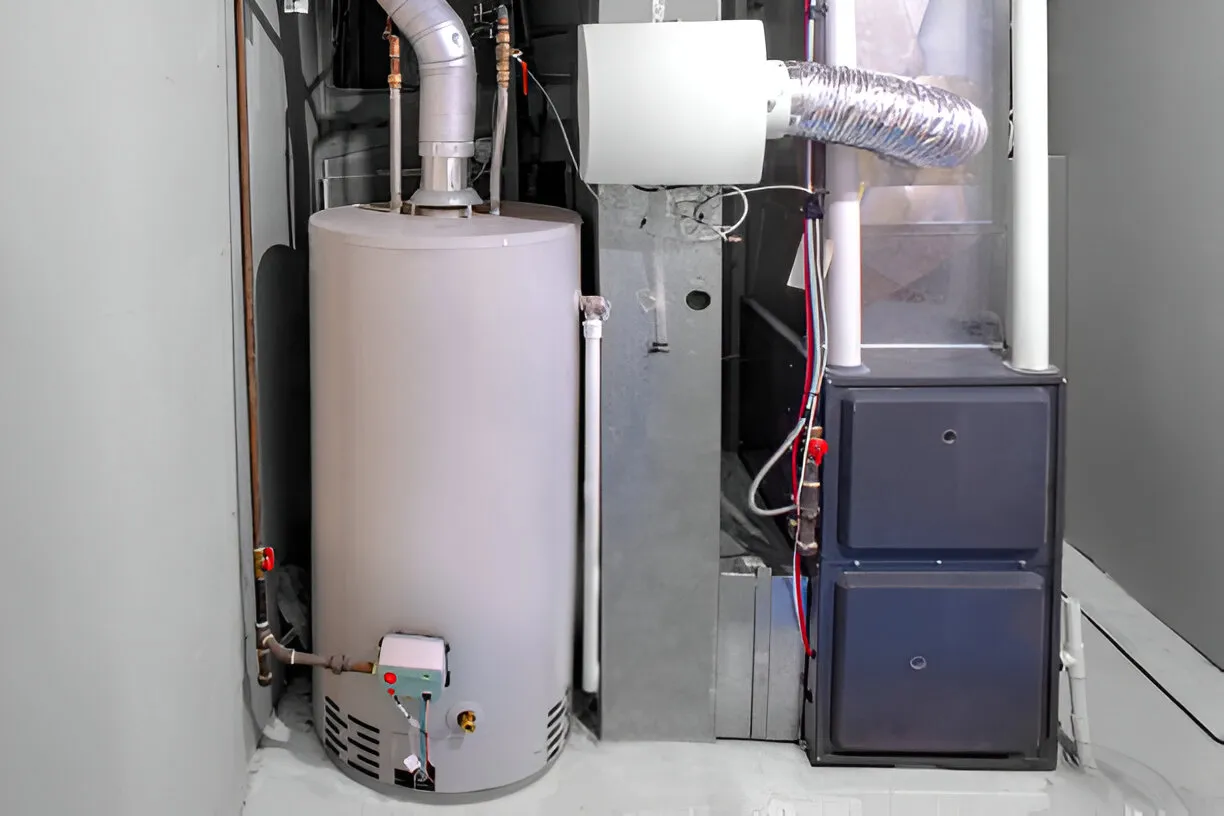
Why proper furnace installation matters in Minerva Park
Minerva Park homes—many built in the mid 20th century and closely integrated into the Columbus metro—face real seasonal extremes: below-freezing temperatures and wind in winter, plus humid summers. A correctly sized, well-installed furnace delivers:
- Reliable heat during cold snaps
- Lower utility bills through higher efficiency
- Even comfort across rooms with balanced airflow
- Reduced carbon monoxide and safety risks with correct venting
- Longer equipment life and fewer emergency repairs
Improper sizing, poor venting, or inadequate commissioning are common causes of early failure, high energy use, uneven warmth, or safety hazards. Local installers who understand Franklin County permitting and typical Minerva Park house layouts help avoid these pitfalls.
Common furnace types and model recommendations
For Minerva Park homes you’ll commonly choose between:
- Gas furnaces (most common): Available in single-stage, two-stage, and modulating options. Two-stage or modulating units improve comfort and efficiency in homes with variable heating loads.
- Electric furnaces: Simpler and used where gas service is not available; higher operating cost in cold months.
- High-efficiency condensing furnaces: AFUE ratings typically above 90%; require proper condensate drainage and corrosion-resistant venting.
- Mid-efficiency furnaces: Lower upfront cost with acceptable performance for moderate-use homes.
Model recommendations depend on home size, insulation, ductwork, and budget. In Minerva Park, high-efficiency gas units are popular because winters demand steady, affordable heating. For tight, well-insulated homes, a high-efficiency, variable-speed blower and a modulating gas valve can significantly improve comfort and reduce cycling.
Sizing and load calculations (what professionals do)
Accurate sizing is critical. Installers perform a Manual J heat load calculation to determine your home’s exact heating needs by considering:
- Square footage and ceiling heights
- Insulation levels, window types, and air leakage
- Local design temperature (Columbus/Minerva Park winter lows)
- Orientation and sun exposure
Oversizing leads to short-cycling, higher bills, and poor humidity control; undersizing leaves you cold on the coldest nights. A properly done Manual J, combined with duct evaluation (Manual D) and airflow testing, ensures you get the right furnace capacity.
Venting and ductwork considerations specific to Minerva Park
Venting and ductwork are often the limiting factors in successful installations:
- Gas furnace venting: High-efficiency condensing units use PVC or specialized stainless flue piping and must have a gravity-free condensate drain routed to an approved location. Older homes may need new vent penetrations or chase work.
- Combustion air: Proper combustion air supply is required for sealed or unsealed installations to prevent backdrafting.
- Ductwork: Many Minerva Park homes have original duct runs that may be undersized, leaky, or poorly insulated. Sealing and insulating ducts, adding return paths, or resizing supply runs improves comfort and system efficiency.
- Basement vs. attic installations: Each location has different condensation, freezing, and service-access considerations; contractors select components and routing to minimize freeze risk and maximize serviceability.
Permitting and code compliance
Furnace installation requires compliance with Ohio building codes and local Minerva Park/Franklin County permitting. Key points:
- Permit application and inspection ensure safe venting, gas line sizing, combustion air, carbon monoxide detectors placement, and electrical connections.
- Licensed HVAC technicians and plumbers typically perform gas piping and refrigerant work; local code officials perform inspections at predetermined stages.
- Documentation for manufacturer warranty activation often requires proof of professional installation and permits.
Expect permit turnaround time to add a few days to the project schedule, and final inspection before the system can be signed off.
Typical installation process and timeline
A full furnace installation typically follows these stages:
- Initial assessment and load calculation (1 visit) — Manual J/D, duct inspection.
- Proposal and equipment selection — sizing, efficiency level, venting plan.
- Permit submission (timing varies by locality) — usually a few days to a week.
- Demolition and removal of old equipment — 1 day.
- Rough installation — positioning furnace, modifying venting and gas line, duct connections, condensate routing — 1 day.
- Final connections, startup, and commissioning — testing, airflow balancing, thermostat setup — same day as final install or next day.Total on-site time for most single-family homes is commonly 1–3 days once permits are issued. Larger or complex projects (duct redesign, additional electrical work, structural modifications) take longer.
Warranty coverage and what it covers
Furnace installations carry two main warranty types:
- Manufacturer warranty: Covers components (heat exchanger, control boards, parts). Heat exchanger warranties often range from 10 years to lifetime on high-end models; parts warranties vary by model.
- Installer (labor) warranty: Covers workmanship, installation errors, and service for a defined period (commonly 1 year or more depending on the installer).
To protect warranties, keep records of the permit, installation paperwork, and manufacturer registration. Regular maintenance is usually required to keep warranties valid.
Post-installation commissioning and checks
A professional commissioning walk-through should include:
- Safety checks: gas leak test, carbon monoxide testing, proper vent draft and sealing.
- Performance checks: temperature rise across the heat exchanger, combustion efficiency (where applicable), blower airflow, thermostat calibration.
- Duct balance and airflow adjustments to eliminate cold spots.
- Condensate drain testing on condensing furnaces.
- Homeowner orientation: filter placement, recommended filter types, maintenance schedule, and thermostat programming tips.
This ensures the system runs efficiently, safely, and as expected in actual Minerva Park conditions.
Long-term benefits and maintenance advice
Proper installation plus routine maintenance delivers:
- Lower energy bills and predictable heating costs
- Fewer emergency repairs and longer equipment life
- Better indoor air quality and more consistent home comfort
- Enhanced safety and code compliance
Maintenance tips for Minerva Park homeowners:
- Change filters every 1–3 months depending on filter type and household conditions.
- Schedule annual pre-season tune-ups to check combustion, airflow, and controls.
- Have carbon monoxide detectors installed and tested regularly.
- Address duct leaks and insulation issues to improve efficiency.
A thoughtful, code-compliant furnace installation tailored to the specific needs of Minerva Park homes provides dependable heat, peace of mind, and long-term savings. If you are comparing options, focus on accurate load sizing, proper venting and ductwork, clear permit handling, and documented warranties to make a confident decision.
Hot Deals & Cool Savings

.webp)
New Service Agreement Membership
.webp)
Any New Client Service
Next Service for Referring a New Client
New Service Agreement Membership
Any New Client Service
Next Service for Referring a New Client
.webp)
.webp)

Service Areas
