
Furnace Maintenance in Minerva Park, OH
Furnace maintenance services in Minerva Park, OH. Learn what a professional tune-up includes, schedule now, and keep your furnace safe, efficient, and reliable.

Furnace Maintenance in Minerva Park, OH
Keeping your furnace tuned and safe is essential for Minerva Park homes where cold Ohio winters and frequent temperature swings put heating systems under stress. Regular furnace maintenance reduces the risk of winter breakdowns, keeps energy costs down, and protects your household from safety hazards like carbon monoxide.
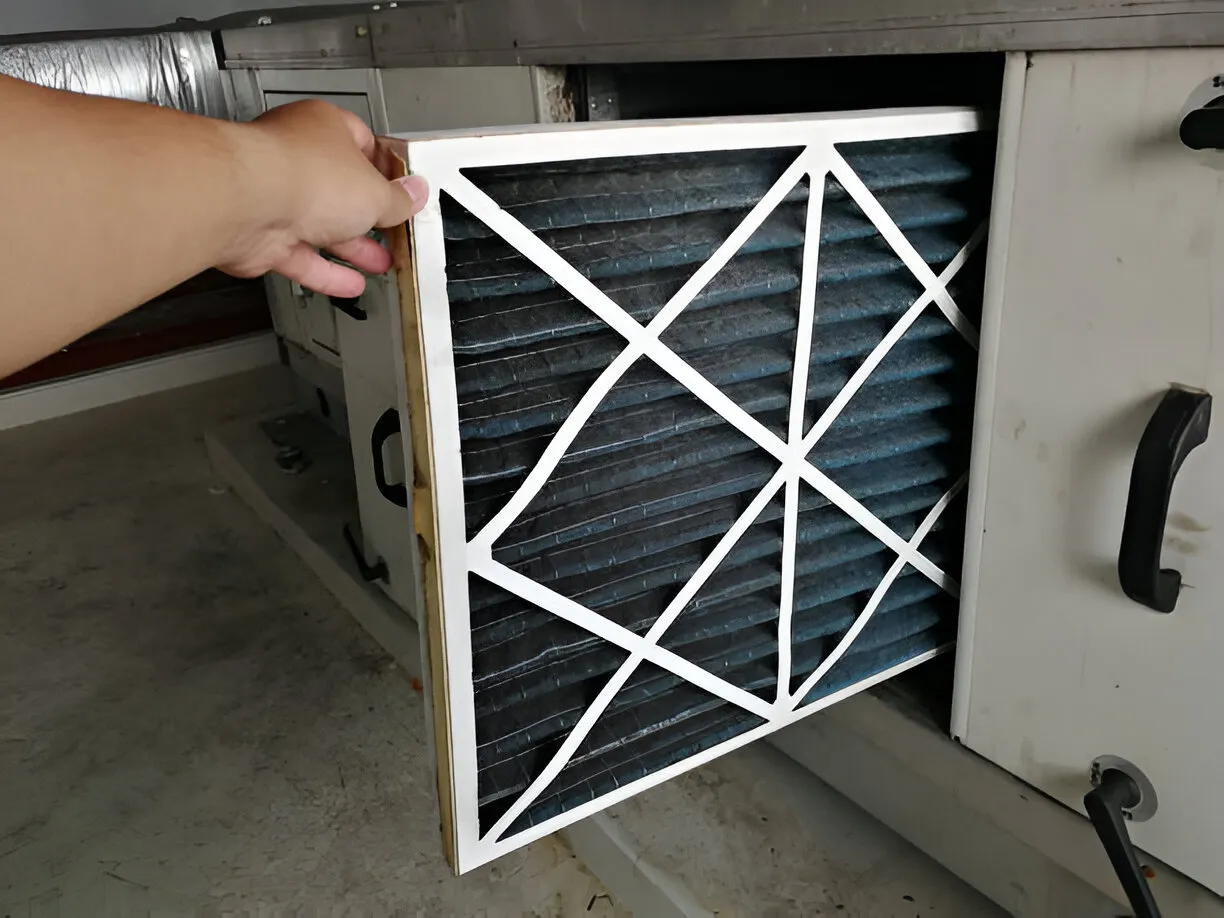
Why annual furnace maintenance matters in Minerva Park, OH
Minerva Park experiences cold, humid winters and occasional deep freezes. Furnaces that sit idle through spring and summer can develop clogged filters, sticky components, or rusted parts that fail once demand spikes. Annual maintenance:
- Restores peak efficiency so your furnace uses less fuel during long heating runs
- Identifies worn parts before they fail on the coldest days
- Confirms safe combustion and venting to reduce carbon monoxide risk
- Extends equipment life and preserves heating capacity in older systems
Homes with high-efficiency condensing furnaces also need specific checks for condensate drains and heat exchanger integrity, especially after wet, mild falls common in central Ohio.
Common furnace maintenance issues in Minerva Park homes
Homeowners in Minerva Park typically see these recurring issues that maintenance prevents or resolves:
- Dirty or clogged air filters restricting airflow and forcing the blower to work harder
- Soot, dust, and debris buildup on burners and heat exchangers
- Weak or intermittent ignition from pilot or electronic ignitors
- Worn blower motors, bearings, belts, or belts slipping
- Faulty or uncalibrated thermostats causing short-cycling or uneven heat
- Cracked heat exchangers or corroded flue connections (safety concern)
- Blocked or damaged venting and flue pipes, especially after storms or pests
- Malfunctioning safety controls, limit switches, or pressure switches
Addressing these issues during a tune-up prevents emergency repairs when temperatures drop.
What a professional furnace maintenance visit includes
A comprehensive furnace maintenance visit is more than a quick filter swap. A standard annual inspection and tune-up typically includes:
Inspection and cleaning
- Visual inspection of furnace cabinet, burners, heat exchanger, and venting
- Cleaning burners, flame sensor, and combustion chamber to restore proper flame and efficiency
- Checking and clearing condensate drains and traps on high-efficiency units
Combustion and safety testing
- Combustion analysis or flame pattern check on gas furnaces to verify safe fuel burning
- Carbon monoxide check around the appliance and vent terminations
- Testing safety controls, limit switches, and pressure switches
Mechanical and electrical checks
- Inspecting and lubricating motors, bearings, and moving parts where applicable
- Tightening and testing electrical connections and relays
- Checking blower wheel and motor performance, cleaning blower components
Airflow and filters
- Measuring airflow and static pressure where needed
- Replacing or recommending the correct filter type and size; advising on replacement frequency depending on MERV rating and household conditions
Thermostat and system startup
- Calibrating thermostat and verifying correct cycling and heat distribution
- Full system startup and performance check to confirm stable operation
Technicians should document findings, note recommended repairs, and record service performed for future reference.
Repairs and solutions commonly recommended after maintenance
When inspections reveal issues, common solutions include:
- Filter replacement or upgrade to the right MERV rating for your home
- Burner realignment, flame sensor cleaning, or ignitor replacement
- Motor or capacitor replacement for failing blower motors
- Heat exchanger repair or replacement if cracks or corrosion are found (safety priority)
- Flue or vent repair to restore proper draft and prevent exhaust leakage
- Replacement of worn belts, bearings, or limit switches to stop short cycling
Many problems start small and worsen under heavy winter load. Timely repairs identified during maintenance often cost significantly less than emergency replacements in deep winter.
Maintenance plans, discounts, and record-keeping
Joining a furnace maintenance plan makes annual service predictable and provides ongoing value:
- Regularly scheduled inspections (typically annual or semiannual) to catch wear early
- Priority scheduling during peak season to reduce wait times on cold days
- Discounted service call rates or parts discounts that lower long-term repair expenses
- Detailed service records that help track part replacements, warranty needs, and system history
Keep a simple home service log with furnace model and serial number, filter sizes, dates of service, and notes from each visit. This record helps technicians diagnose issues faster and supports any warranty claims.
Scheduling recommendations to avoid winter breakdowns in Minerva Park
To minimize risk of failure during freezing spells:
- Schedule maintenance in early fall, ideally September or October, before the first sustained cold snap
- If you have a maintenance plan with two visits, plan one in early fall and another mid-winter for systems with heavy cycles or older equipment
- If you notice performance changes—strange noises, poor heat, frequent cycling—book an inspection sooner rather than later
Advance scheduling also helps ensure availability of parts and technicians during weather emergencies.
Simple homeowner maintenance between visits
You can reduce strain on your furnace by:
- Replacing or inspecting filters every 1 to 3 months depending on filter type and household dust, pets, or allergies
- Keeping vents and returns free of furniture, carpets, or curtains that block airflow
- Ensuring clear outdoor vent terminations and removing debris or snow after storms
- Installing and testing carbon monoxide detectors near sleeping areas and on each level of the home
Never attempt gas-related repairs yourself. For any smell of gas or suspected carbon monoxide exposure, evacuate and contact emergency services.
Hot Deals & Cool Savings

.webp)
New Service Agreement Membership
.webp)
Any New Client Service
Next Service for Referring a New Client
New Service Agreement Membership
Any New Client Service
Next Service for Referring a New Client
.webp)
.webp)

Service Areas
