
Furnace Maintenance in Harrisburg, OH
Furnace maintenance in Harrisburg, OH keeps your home safe and efficient. Learn about inspections, plans, and easy scheduling today.

Furnace Maintenance in Harrisburg, OH
Keeping your furnace tuned and safe is essential for Harrisburg, OH homes where cold central Ohio winters and wide temperature swings put heavy demand on heating systems. Regular furnace maintenance ensures reliable heat when you need it most, improves efficiency to reduce energy bills, and lowers the chance of emergency breakdowns during peak season.
Why annual furnace maintenance matters in Harrisburg, OH
- Harrisburg experiences cold winters and frequent temperature swings through fall and spring. Furnaces run longer and harder here than in milder climates, which accelerates wear on parts.
- Older homes in the area may still have aging ductwork and furnaces installed decades ago. Maintenance identifies deterioration before it becomes a failure.
- Freeze and thaw cycles can affect venting, draft systems, and condensate lines on high-efficiency equipment. Annual checks catch these seasonal vulnerabilities.
- Proper maintenance reduces safety risks such as carbon monoxide leaks, gas leaks, and electrical failures.
Common furnace problems in Harrisburg homes
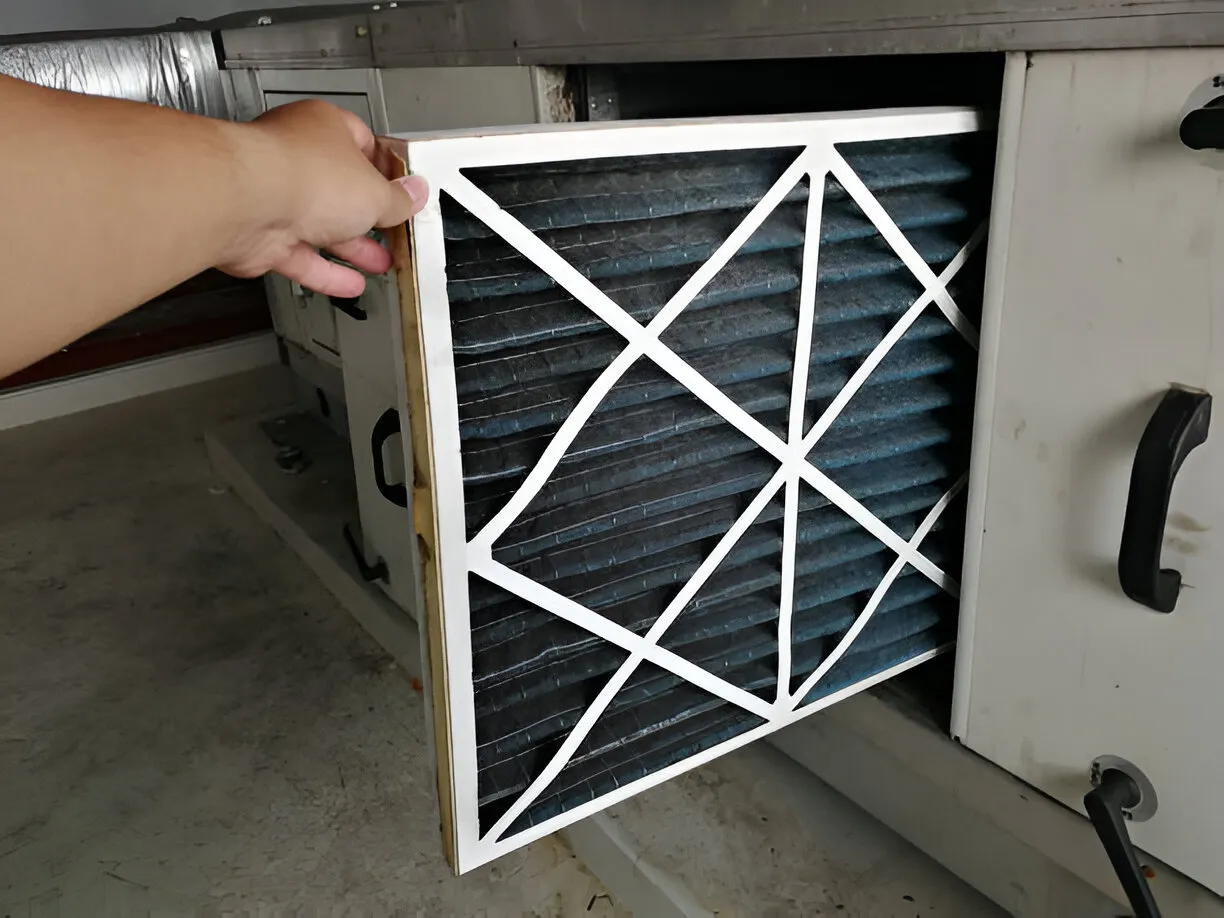
- Dirty or clogged air filters causing restricted airflow and short cycling
- Ignition or pilot control failures, especially on older gas furnaces
- Worn blower motors and belts that reduce airflow and increase noise
- Cracked heat exchangers creating a carbon monoxide hazard
- Improper combustion or gas pressure leading to inefficient operation
- Thermostat calibration issues producing uneven heating or overshooting setpoints
- Blocked or damaged flue and venting that impede exhaust and draft
- Duct leaks and poor insulation lowering system efficiency and comfort
What a professional annual inspection and cleaning includes
A full furnace maintenance visit typically follows a systematic checklist to restore safe, efficient operation. Key tasks include:
- Visual safety inspection
- Check heat exchanger for cracks or corrosion
- Inspect flue, venting, and combustion air openings for blockages
- Verify clearances and look for gas or oil leaks
- Cleaning and debris removal
- Clean burners and combustion chamber to improve ignition and combustion
- Remove dust and debris from the blower assembly and motor area
- Clear condensate drains and pans on high-efficiency units
- Filter and airflow checks
- Replace or recommend the correct filter type and size
- Measure airflow and inspect duct connections for visible leaks
- Check supply and return vents for obstructions
- Electrical and control tests
- Inspect and tightens electrical connections
- Test safety switches, limit controls, and ignition systems
- Verify thermostat calibration and operation
- Combustion and efficiency testing
- Measure combustion gases and carbon monoxide levels where required
- Adjust gas pressure and burner mixture for correct combustion
- Record operational data such as start-up amps and temperature rise
- Final performance verification
- Confirm smooth start-up and shutdown cycles
- Listen for unusual noises and document parts showing excess wear
- Provide a maintenance report with findings and any recommended repairs
Safety checks you should expect
Safety is the top priority during maintenance. A technician will test or inspect:
- Carbon monoxide levels near the furnace and in living space where indicated
- Heat exchanger integrity and visible signs of cracking
- Vent pipe connections and chimney draft
- Safety limit switches and pressure switches on sealed combustion appliances
Finding a small issue early prevents dangerous failures later and provides peace of mind during long heating stretches.
Performance optimization and efficiency improvements
Beyond safety, maintenance focuses on efficiency and comfort:
- Recalibrating the thermostat and confirming proper temperature differential to avoid unnecessary runtime
- Balancing airflow and pointing out simple duct sealing or insulation improvements that reduce heat loss
- Fine-tuning burner adjustments to maximize fuel-to-heat conversion
- Recommending high-efficiency filters and proper filter-change intervals to protect equipment and indoor air
Small adjustments during a tune-up often produce noticeable savings on monthly energy bills and extend equipment life by reducing stress on components.
Typical maintenance plans and member benefits
Many homeowners choose a maintenance plan to ensure regular care and predictable service. Common features across plans include:
- Annual or biannual inspections and cleanings timed for pre-season and mid-season checks
- Priority scheduling during peak winter months so maintenance and repairs are handled quickly
- Discounts on diagnostic fees and parts or labor for covered repairs
- Reminder service (mail, email, or phone) and record-keeping of past maintenance visits
- Extended equipment life and lower utility costs quantified over time in maintenance reports
Plans are often tiered by frequency and coverage level. A basic plan may include one annual furnace tune-up, while a comprehensive plan covers both heating and cooling equipment with added parts discounts and emergency service privileges.
How sign-up and enrollment typically work
Enrollment processes are straightforward and designed to get your system on a preventive schedule:
- Choose the level of plan that fits your needs (single-system furnace plan or combined heating and cooling plan)
- Complete a membership agreement that outlines services, scheduling windows, and member benefits
- Schedule the first maintenance visit at a convenient time before the heating season
- Receive reminders and service history so future appointments are simple and well-documented
Sign-up can commonly be done online, by phone, or during an initial service visit. Once enrolled, you typically receive automatic reminders and priority appointment options during winter.
Long-term benefits and maintenance tips for Harrisburg homeowners
- Regular maintenance reduces the likelihood of emergency repairs during January and February when failure risks and repair waits are highest
- Well-maintained furnaces use less fuel and lower monthly utility bills
- Documented maintenance increases resale value by demonstrating responsible system upkeep
- Simple homeowner steps between professional visits: change filters monthly or per manufacturer guidance, keep vents and returns free of furniture and clutter, and monitor for unusual noises or smells
Routine professional care, combined with good everyday habits, keeps heating systems reliable and efficient through Harrisburg's long heating season.
Hot Deals & Cool Savings

.webp)
New Service Agreement Membership
.webp)
Any New Client Service
Next Service for Referring a New Client
New Service Agreement Membership
Any New Client Service
Next Service for Referring a New Client
.webp)
.webp)

Service Areas
