
Furnace Repair in Harrisburg, OH
Reliable furnace repair service in Harrisburg, OH. Fast diagnosis, safe repairs, and clear pricing. Schedule now to restore warmth and comfort.

Furnace Repair in Harrisburg, OH
When winter arrives in Harrisburg, OH, a reliable furnace is essential for comfort and safety. Furnace failures in colder months can lead to frozen pipes, uncomfortable indoor temperatures, and higher energy bills.
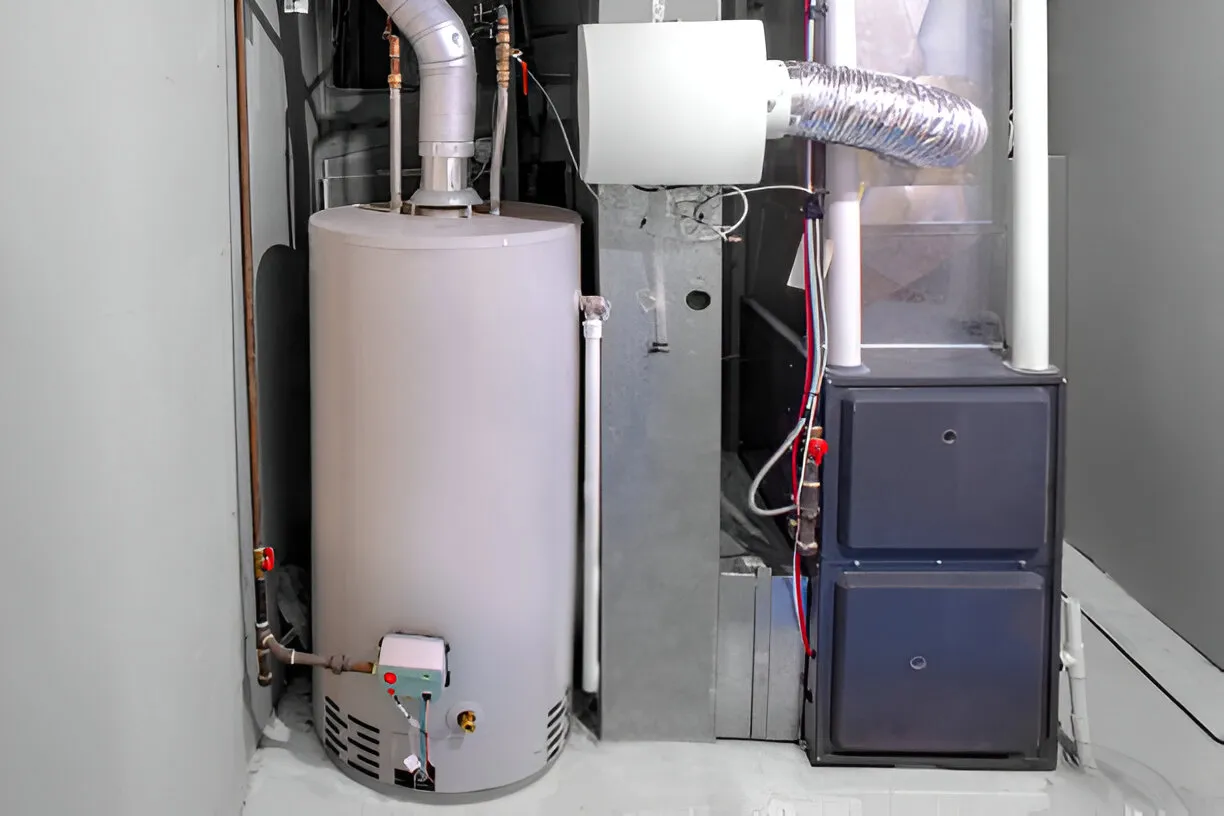
Common furnace repair issues in Harrisburg, OH
Homes in Harrisburg face seasonal stress on heating systems: long cold stretches, freeze/thaw cycles, and occasional ice and road-salt exposure that can affect outdoor components. The most frequent furnace problems we see are:
- No heat or intermittent heating
- Ignition failure (no spark, failed pilot, or hot surface igniter issues)
- Blower motor not running or weak airflow
- Short cycling (furnace turns on and off rapidly)
- Strange noises (squealing, banging, or rattling)
- Faulty control boards or relays causing erratic behavior
- Thermostat communication or calibration problems
- Gas odors or combustion irregularities (requires immediate safety attention)
- Heat exchanger cracks (safety concern that often leads to replacement)
How a professional diagnostic works
A structured diagnostic pinpoints the root cause so repairs fix the problem once and for all. Typical diagnostic steps include:
- Safety and combustion checks: Verifying gas supply, checking for gas leaks, and testing for carbon monoxide and proper combustion to protect occupants.
- Visual and filter inspection: Looking for obvious issues like clogged filters, blocked vents, or animal nests that reduce airflow.
- Electrical and control testing: Measuring voltages, capacitor function, and control board signals to find failing electrical components.
- Ignition and fuel-system testing: Inspecting pilot assemblies, hot surface igniters, gas valves, and burners for proper operation.
- Airflow and duct assessment: Measuring static pressure and airflow to identify closed or leaky ducts, restricted returns, or blower problems.
- Heat exchanger assessment: Inspecting for cracks or corrosion. If a heat exchanger is compromised, replacement is typically recommended for safety.
Technicians will document findings and explain repair options, prioritizing safety issues first.
Typical furnace repairs and what they involve
Common furnace repairs in Harrisburg often address parts that wear out over time. Typical repairs include:
- Ignition system repair or replacement: Replacing a failed hot surface igniter, pilot assembly, or electronic ignition module. These are common causes of a furnace that won’t light.
- Blower motor and fan repairs: Replacing a worn motor, bearings, or capacitor, and balancing or cleaning the blower wheel to restore airflow.
- Control board and relay replacement: Addressing burned or failed control boards that cause erratic cycling, ignition failures, or error codes.
- Gas valve and burner service: Cleaning or replacing burners and gas valves to restore efficient combustion.
- Safety control replacements: Limit switches, flame sensors, and thermocouples are replaced when they fail to detect normal conditions.
- Ductwork and airflow corrections: Sealing or repairing duct leaks, adjusting dampers, and replacing dirty filters to improve efficiency.
- Heat exchanger replacement: If cracked or corroded, the heat exchanger is usually replaced because of health and safety risks.
Minor repairs are often completed the same day. Complex fixes, parts that require ordering, or heat exchanger replacements can extend the timeline by a few days depending on part availability.
Emergency furnace repair protocols in Harrisburg
Winter emergencies require a safety-first approach. Emergency protocols commonly followed:
- Immediate safety steps: If you smell gas, evacuate the home and contact the gas utility. If carbon monoxide alarms activate, leave the home and seek fresh air.
- Triage on arrival: Technicians prioritize safety — isolating gas, checking CO levels, and disabling unsafe systems.
- Temporary measures: When full repair isn’t possible immediately, temporary fixes (safe shutdowns, bypassing failed components where appropriate) can restore heat until permanent parts arrive.
- Winter travel considerations: Severe weather in central Ohio can affect parts delivery and travel times. Technicians often stock common replacement parts for Harrisburg-area service calls to reduce delays.
Expected repair timelines and cost factors
Timelines and costs vary by issue complexity and furnace age. Factors that influence both include:
- Part availability: Off-the-shelf parts allow same-day repairs; special-order parts add days.
- System age and model: Older units may require harder-to-find components or be less cost-effective to repair.
- Severity of damage: Heat exchanger issues or major electrical failures typically take longer to remediate.
- Access and installation complexity: Tight furnace closets or rooftop units increase labor time.
- Permits and inspections: Some repairs or replacements require local code compliance and inspections, which can extend timelines.
Rather than quoting prices here, expect that repair costs are influenced by the factors above. When a system is older and repairs are frequent, replacement often becomes the more economical long-term choice. A qualified technician will provide a written estimate and compare repair vs replacement options.
Technician credentials and safety standards
Quality furnace repair hinges on trained, credentialed technicians:
- Licensing and training: Technicians working in Ohio should carry the appropriate state or local licenses and receive manufacturer training for specific furnace brands.
- Safety certifications: Technicians commonly hold certifications for combustion testing, gas handling, and carbon monoxide detection.
- Tools and documentation: Proper diagnostic tools (manometers, combustion analyzers, multimeters) and written service reports are standard.
- Code compliance and permits: Licensed technicians understand local requirements for gas appliances and coordinate permits or inspections when necessary.
Warranties and parts protection
Expect warranties to protect both parts and labor, though specifics vary:
- Manufacturer parts warranties: New parts often carry a manufacturer’s warranty; registering the part can be required to activate coverage.
- Labor warranties: Service providers may back repairs with a labor warranty for a defined period; get warranty terms in writing.
- Warranty exclusions: Improper maintenance, use of nonapproved parts, or modifications can void warranties. Regular maintenance helps preserve coverage and system life.
Preventive maintenance and final considerations
Regular seasonal maintenance reduces emergency repairs, improves efficiency, and extends equipment life. For Harrisburg homes, schedule inspections before the heating season to address issues that cold weather would otherwise expose. Keep filters clean, maintain clear ventilation around outdoor components, and ensure CO detectors are functional.
Prompt, safety-first furnace repair protects your household and helps avoid costly emergency situations during Harrisburg’s cold months. Understanding diagnostics, repair options, timelines, and warranty expectations empowers you to make informed decisions about your heating system.
Hot Deals & Cool Savings

.webp)
New Service Agreement Membership
.webp)
Any New Client Service
Next Service for Referring a New Client
New Service Agreement Membership
Any New Client Service
Next Service for Referring a New Client
.webp)
.webp)

Service Areas
