
Furnace Repair in Baltimore, OH
Furnace repair services in Baltimore, OH diagnose your furnace issues, provide fast, safe repairs, and outline warranties; schedule your service now.

Furnace Repair in Baltimore, OH
A reliable furnace is essential for Baltimore homes where Ohio winters bring prolonged cold, occasional heavy snow, and freeze thaw cycles that stress heating systems. If your furnace is noisy, short-cycling, failing to produce heat, or tripping safety limits, timely professional furnace repair protects comfort, reduces energy bills, and prevents safety risks like carbon monoxide exposure.
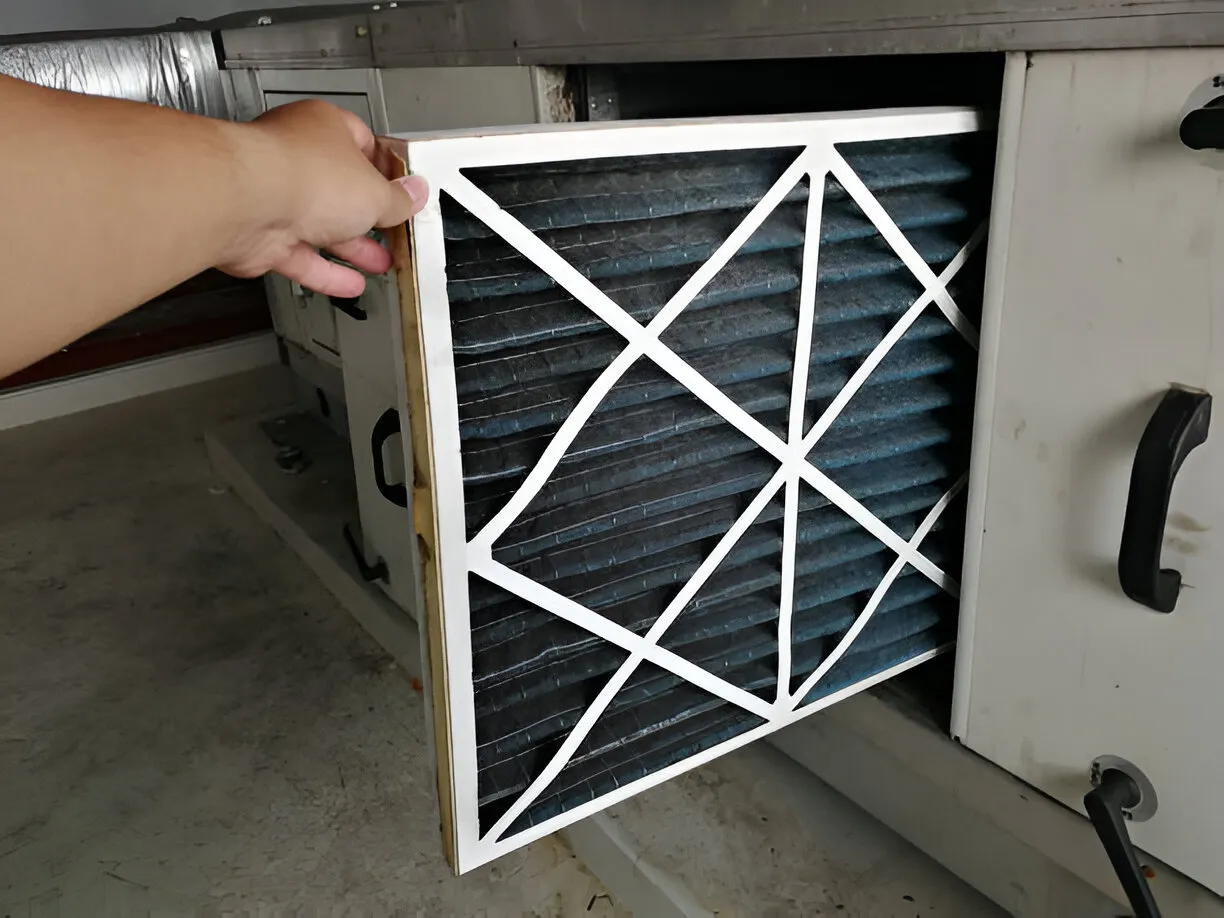
Why timely furnace repair matters in Baltimore, OH
- Winters here are long enough that even short outages create discomfort and risk to pipes, pets, and sensitive household systems.
- Older homes in and around Baltimore often have aging furnaces or ductwork that respond poorly to extreme cold, making prompt attention important.
- Small problems like a dirty filter or failing sensor quickly become larger issues under continuous heavy use, increasing energy bills and shortening equipment life.
Repairing problems early restores comfort, reduces utility costs, and prevents unsafe conditions such as carbon monoxide or flame rollout.
Common furnace problems in Baltimore, OH and likely causes
- No heat
- Possible causes: thermostat failure, tripped breaker or blown fuse, pilot/ignition failure, closed gas valve, failed control board, or blocked flue.
- Short cycling (furnace turns on and off frequently)
- Possible causes: clogged filters, oversized unit, faulty thermostat, failed limit switch, poor airflow from blocked ducts, or heat exchanger problems.
- Strange noises (clanking, rattling, squealing, banging)
- Possible causes: loose panels, failing blower motor bearings, broken belts, ignition delay, or expanding/contracting ductwork.
- Uneven heating or weak airflow
- Possible causes: duct leaks, restricted returns, failing blower motor, closed or undersized ductwork, or failing control electronics.
- High energy bills despite normal operation
- Possible causes: aging heat exchanger, inefficient burners, dirty components, or failing blower motor capacitor.
- Frequent pilot outages or ignition problems
- Possible causes: dirty or failing flame sensor, clogged burners, or issues with gas delivery/pressure.
What technicians do during a furnace diagnostic
A professional diagnostic is systematic and documented so repairs target the real issue, not symptoms alone:
- Visual and safety check — Inspect the cabinet, burners, venting, and visible wiring for loose connections, corrosion, or blockages.
- Thermostat and control verification — Confirm thermostat calls for heat and that the control board is responding.
- Power and gas supply checks — Verify breakers, fuses, and gas valve operation and measure incoming gas pressure when needed.
- Ignition and flame tests — Test hot surface ignitor or pilot assembly, flame sensor, and burner flame characteristics.
- Airflow and blower inspection — Check filter condition, blower motor operation, wheel balance, belt tension (if applicable), and static pressure if airflow is poor.
- Heat exchanger and combustion safety — Inspect for visible cracks or corrosion; when indicated perform carbon monoxide check and combustion analysis.
- Exhaust and venting evaluation — Confirm termination points, flue clearances, and that condensate drains (on high-efficiency units) are clear.
After diagnostics, technicians typically explain the findings, outline repair options, and describe expected outcomes and warranty coverage for parts and labor.
Typical furnace repairs and replacement parts
Common repairs performed in Baltimore, OH homes include:
- Filter replacement and cleaning — Restores airflow and efficiency; one of the quickest ways to resolve short cycling and weak airflow.
- Ignitor or flame sensor replacement — Typical cause of ignition failures and intermittent operation.
- Control board or relay replacement — Replaces burned or unreliable electronics that cause no-heat or erratic behavior.
- Gas valve or pressure regulator repair — Required when burners do not receive steady fuel.
- Inducer motor or pressure switch repair — Fixes venting and draft issues on furnaces with sealed combustion.
- Blower motor, capacitor, or belt replacement — Restores proper airflow and silent operation.
- Burner cleaning and adjustment — Improves combustion efficiency and reduces carbon buildup.
- Heat exchanger evaluation and replacement — If cracked or severely corroded, the heat exchanger is often replaced because cracks create CO risk; when replacement is not feasible, full furnace replacement is recommended.
- Ductwork sealing and insulation — Addresses uneven heating and improves system efficiency.
Repairs are performed following a clear scope: isolate the failure, replace or repair the defective component, test operation under load, and perform safety checks before leaving the system in service.
Emergency furnace repair and availability in colder months
No-heat emergencies are common during sudden cold snaps. Emergency repair services for furnaces typically include:
- Rapid response for no-heat calls during evenings or weekend cold spells.
- Temporary safety measures (locking out gas, securing power) while permanent repairs are scheduled.
- Short-term heating solutions or system bypasses when full repairs require parts or extended labor.
Because winter storms in central Ohio can cause power fluctuations that damage furnace electronics, technicians also inspect control boards and surge protection after outages.
Safety inspections and what to expect
Safety is central to any furnace repair in Baltimore, OH:
- Carbon monoxide testing — A must after combustion system repairs or when heat exchanger issues are suspected.
- Combustion analysis — Verifies efficient and safe fuel combustion, especially for older units.
- Heat exchanger inspection — Visual and instrument checks for cracks or deterioration that present a CO hazard.
- Vent termination and clearances — Ensures exhaust is routed safely and not blocked by debris or snow.
Technicians will document findings and recommended corrections and explain any safety concerns in clear terms.
Warranties, parts coverage, and long-term care
- Most replacement parts carry manufacturer warranties; labor warranties vary by provider. Ask for details on both parts and labor coverage for any repair.
- For older furnaces, technicians will discuss repair-versus-replace considerations based on age, efficiency loss, recurring failures, and safety risks like heat exchanger damage.
- Regular maintenance plans that include annual tune-ups, priority scheduling during peak season, and discounts on parts/labor help prevent emergency breakdowns, extend equipment life, and maintain manufacturer warranty compliance.
Preventive maintenance tips for Baltimore homes
- Replace filters every 1–3 months during heavy use to prevent short cycling and reduced airflow.
- Schedule an annual pre-winter inspection to catch issues before the cold sets in.
- Keep vents and outdoor flue terminations free from snow, leaves, and debris.
- Monitor for unusual odors, noises, or cycling patterns and have them checked promptly.
Getting fast, accurate furnace repairs in Baltimore, OH restores comfort and safety while protecting your investment. A thorough diagnostic followed by targeted repairs, safety testing, and reliable warranty information helps ensure your heating system performs dependably through Ohio winters.
Hot Deals & Cool Savings

.webp)
New Service Agreement Membership
.webp)
Any New Client Service
Next Service for Referring a New Client
New Service Agreement Membership
Any New Client Service
Next Service for Referring a New Client
.webp)
.webp)

Service Areas
