
Furnace Repair in Canal Winchester, OH
Furnace repair in Canal Winchester, OH offers diagnostics, safe fixes, and emergency options to restore heat. Learn more today.

Furnace Repair in Canal Winchester, OH
Keeping your furnace running reliably is essential in Canal Winchester, where cold Ohio winters and fluctuating shoulder seasons put heavy demand on home heating systems. If your furnace is failing to start, cycles on and off, making unusual noises, or showing any signs of unsafe operation, timely furnace repair protects comfort, reduces energy waste, and prevents hazardous conditions like carbon monoxide exposure.
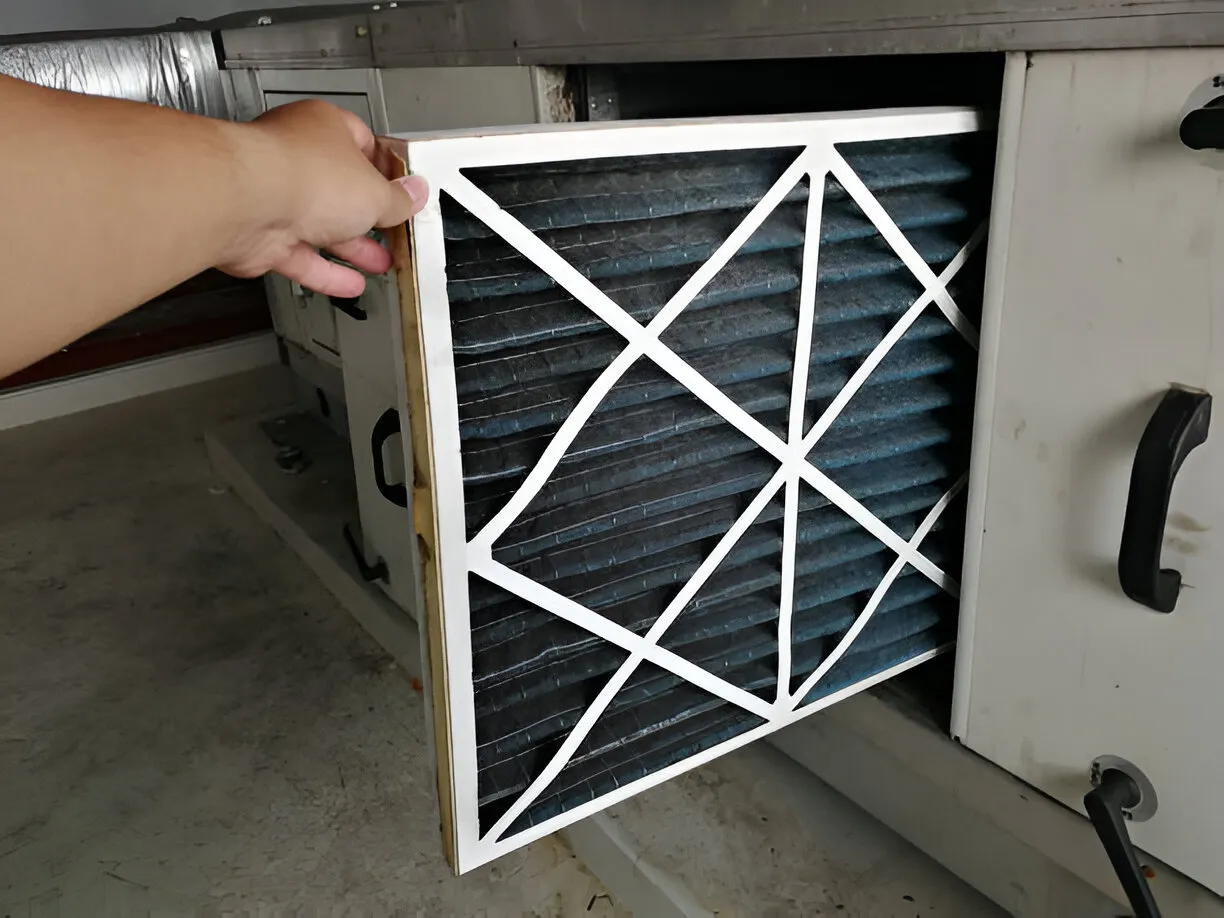
Common furnace problems in Canal Winchester homes
- No heat or intermittent heat: Often caused by ignition/pilot issues, a faulty gas valve, or thermostat/control failures. Cold snaps in winter make this a frequent emergency.
- Failure to ignite (electronic ignitors or pilot): Broken hot surface ignitors, dirty pilots, or weak flame sensors can prevent ignition.
- Short cycling or frequent on/off cycles: Caused by overheating (dirty filters, restricted airflow), failing limit switches, or incorrect thermostat settings.
- Weak airflow or inconsistent room temperatures: Blower motor issues, clogged air filters, duct leaks, or failing capacitors reduce airflow.
- Strange noises (rattling, grinding, humming): Worn bearings on motors, loose panels, failing belts, or debris in the blower assembly.
- Yellow or flickering pilot light: Can indicate improper combustion or venting problems—normal pilot flames should be steady and blue.
- Odd smells (burning, rotten eggs): Burning smells may be dust burning off; however, rotten egg odor suggests a gas leak—this is a safety concern requiring immediate action.
- Carbon monoxide or combustion concerns: Corroded or cracked heat exchangers and blocked vents can create dangerous combustion byproducts.
Diagnostic process: what a thorough furnace repair visit includes
- Initial inspection and homeowner interview: Technicians check symptoms, system age, recent maintenance history, and any error codes.
- Visual and mechanical inspection: Panels, burners, flame integrity, ignition components, blower assembly, filters, vents, and flue are inspected.
- Ignition and pilot troubleshooting: Technicians test hot surface ignitors, pilot assembly, flame sensor, and ignition sequencing.
- Thermostat and control diagnostics: Verify thermostat operation, wiring, and control board function; test limit switches and safety interlocks.
- Electrical and motor testing: Check capacitors, blower motor amperage/voltage, relays, and bearings for wear.
- Combustion and safety checks: Use combustion analyzers and CO detectors as needed; inspect heat exchanger for cracks or corrosion; verify venting and draft.
- Airflow and duct assessment: Measure static pressure and inspect ductwork when airflow problems persist.
Typical repairs and what they involve
- Ignitor replacement or pilot cleaning: Quick repairs that often restore ignition in under an hour if parts are on hand.
- Flame sensor cleaning or replacement: Common, fast fix—dirty sensors fail to detect flame and shut down the system.
- Thermostat recalibration or replacement: Simple recalibration may suffice; replacing older mechanical thermostats with modern digital or programmable units resolves many control issues.
- Blower motor, capacitor, or belt replacement: Motor or capacitor failures may take a few hours to repair, depending on access and model.
- Control board repair/replacement: Electronic board issues require careful diagnosis and replacement when needed; timelines depend on part availability.
- Heat exchanger evaluation: Minor corrosion may be addressed, but a cracked heat exchanger usually requires replacement of the furnace—this is a more extensive job with longer timelines.
- Venting and flue repairs: Clearing blockages or repairing flue components ensures safe combustion; may involve rooftop or attic access.
- Gas valve or regulator work: Performed by qualified technicians with gas handling experience and safety protocols.
Typical repair timelines
- Same-visit repairs: Many ignition, sensor, thermostat, capacitor, and filter-related fixes can be completed within 30 minutes to a few hours on the first visit.
- Parts-ordered repairs: For less common or discontinued parts (motors, control boards, specific heat exchangers) repairs may require ordering parts and returning for installation—expect multi-day timelines in those cases.
- Major repairs or replacements: If a heat exchanger or furnace replacement is needed, planning, permitting (when applicable), and installation can extend the timeline to several days.
- Emergency response: During freezing temperatures, priority scheduling and emergency response options may reduce wait time; emergency protocols focus on restoring heat or providing a safe shutdown and temporary measures.
Safety and combustion checks you should expect
- Carbon monoxide monitoring: A professional repair includes CO testing near the furnace and, if needed, advising on CO detector placement.
- Heat exchanger inspection: Technicians look for cracks or corrosion that can allow combustion gases into home air—these are safety-critical conditions.
- Ventilation and draft testing: Proper drafting prevents backflow of combustion gases and maintains safe operation.
- Gas leak detection and response: Any suspected gas odor triggers immediate evacuation protocol and gas leak testing.
Emergency options and timing in Canal Winchester
Cold snaps and winter storms in Canal Winchester make reliable emergency service important. Emergency options typically include after-hours diagnostics, priority scheduling during sustained cold, and temporary measures such as safe system shutdowns, space heater recommendations, or temporary condensate/venting fixes to keep residents safe while parts are sourced.
How to decide whether to repair or replace
Consider repair when:
- The problem is isolated (ignitor, sensor, motor) and the furnace is otherwise serviceable.
- The system is relatively young and has been maintained.
Consider replacement when:
- The heat exchanger is cracked or corroded.
- The furnace is older (typically over 15–20 years), increasingly unreliable, or costly to repair repeatedly.
- Efficiency concerns and high heating costs outweigh continued repair investment.
Aftercare and seasonal maintenance to prevent future failures
- Replace or clean filters monthly to ensure airflow.
- Schedule annual heating tune-ups before the winter season for combustion safety checks, lubrication, and calibration.
- Keep vents and flues clear of debris or animal nests, particularly after storms and during spring yard work.
- Install and maintain carbon monoxide detectors on each level of the home.
- Set thermostats with conservative setbacks and consider programmable or smart thermostats to reduce cycling and wear.
Timely furnace repair in Canal Winchester prevents discomfort and unsafe conditions while extending system life and preserving efficiency. Understanding the diagnostic steps, typical repairs, safety checks, and seasonal factors unique to central Ohio helps homeowners make informed decisions when their heating system needs attention.
Hot Deals & Cool Savings

.webp)
New Service Agreement Membership
.webp)
Any New Client Service
Next Service for Referring a New Client
New Service Agreement Membership
Any New Client Service
Next Service for Referring a New Client
.webp)
.webp)

Service Areas
